 listicle
Best Dirt Bike Books for Kids: 2026 Guide
Table of Contents
- Why Dirt Bike Books Matter for Young Riders
- Storybooks That Inspire Young Motocross Passion
- Beginner Motocross Training Resources for Building Skills
- Youth Motocross Training Journals for Serious Riders
- Coloring Books: Creative Engagement for All Ages
- Motocross Safety Tips for Kids: What Parents Should Know
- Reading Level Categorization: Choosing the Right Book
- From Books to Track: Building Confidence and Discipline
Last Updated: August 25, 2026
Why Dirt Bike Books Matter for Young Riders
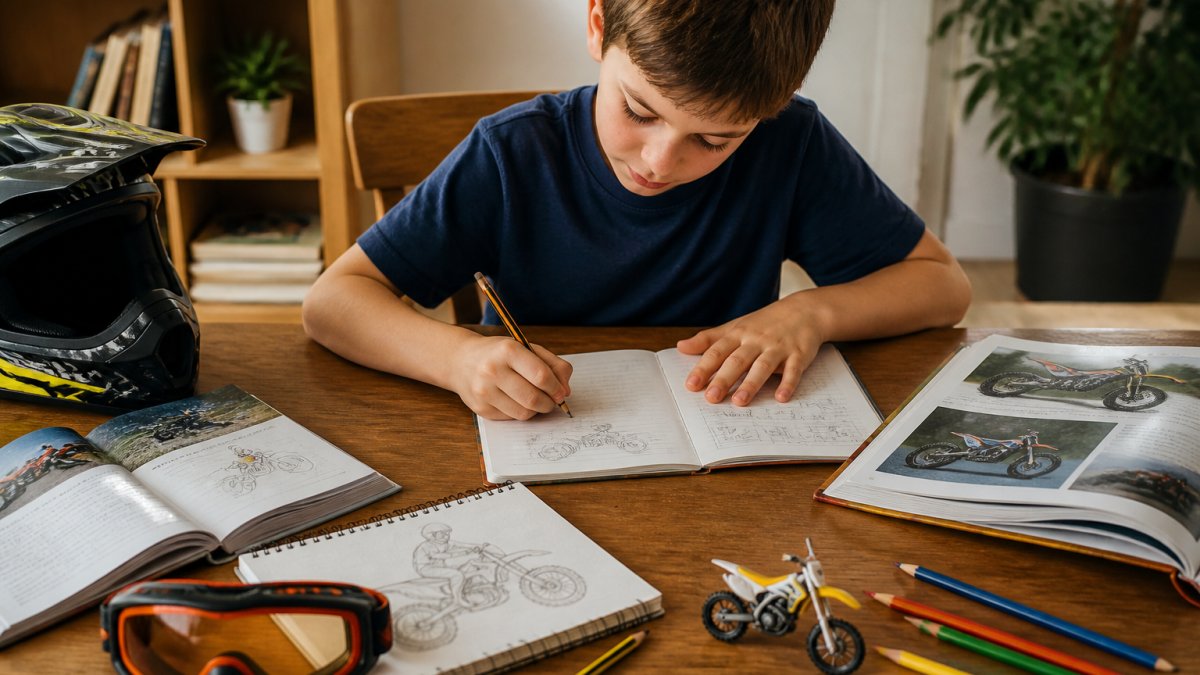
Reading builds athletic confidence in ways many parents underestimate. When a child sees themselves in a story where the hero masters dirt biking challenges, they begin imagining their own success. Dirt bike books for kids do more than entertain, they build mental resilience, introduce racing concepts in digestible ways, and keep young riders engaged with the sport during downtime.
At Nelmgerian MX, we offer stories and training tools designed to transform a child's relationship with motocross. A five-year-old reading about earning their first dirt bike understands responsibility. A nine-year-old tracking progress in a training journal learns to analyze their own performance. These foundational skills carry into every aspect of a young rider's development.
This guide covers the best dirt bike books for kids across every category: storybooks that inspire passion, educational resources that build skills, training journals for serious riders, and creative activities that maintain momentum. We'll also address safety considerations and how to match books to your child's reading level and age.
Storybooks That Inspire Young Motocross Passion
The best dirt bike books for kids start with emotion. A well-told story about earning a first motocross bike or conquering a difficult track creates aspirational moments that fuel a child's riding journey.
Ryder's First Motocross Race
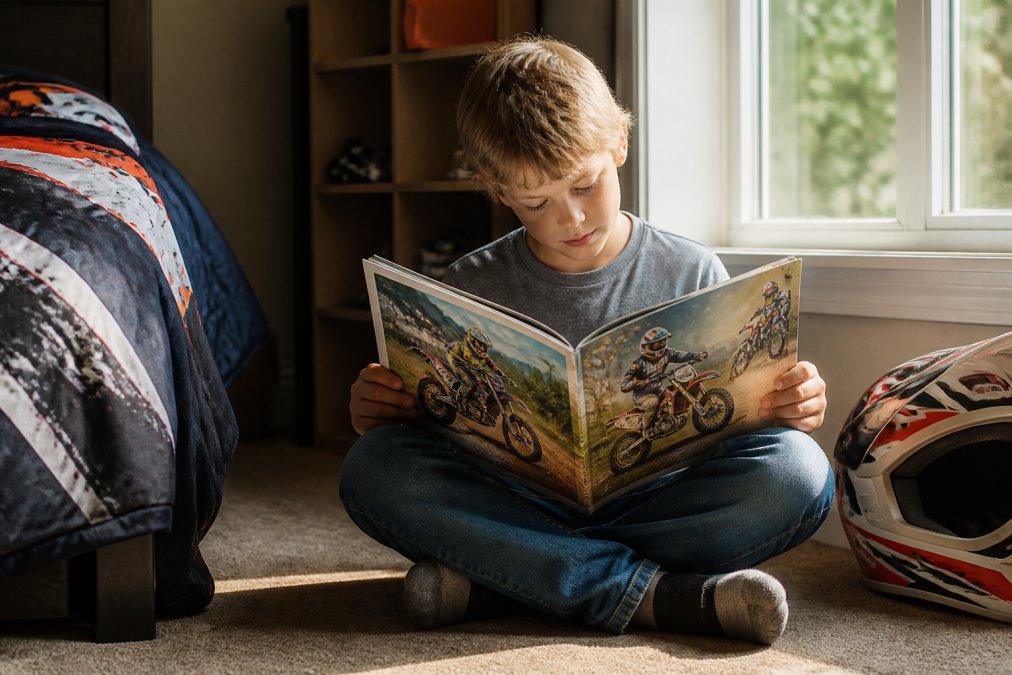
This story follows a young rider earning the opportunity to compete in his first real motocross race, emphasizing responsibility, practice, and patience. The narrative focuses on the emotional arc, nervousness before competition, preparation that builds confidence, and the realization that effort translates into results.
Bright illustrations capture motocross energy without overwhelming younger readers. For children ages 4-8, this book introduces the sport as achievable and exciting rather than intimidating. Parents report that children who read this book begin asking more questions about training and track etiquette, creating natural conversation starters about what it takes to succeed.
Good Night, Ryder
Not every dirt bike book needs to focus on racing. Good Night, Ryder is a bedtime story where the character says goodnight to his gear, bike, and track before sleep. For toddlers and preschoolers (ages 2-5), it creates a calming ritual that associates dirt bikes with comfort and rest while maintaining healthy sleep routines.
The repetitive structure naturally soothes before sleep and requires no advanced reading skills. Many families find this book becomes a favorite because it combines their child's passion with a meaningful moment of connection at day's end.
Beginner Motocross Training Resources for Building Skills
Educational dirt bike books prove that learning doesn't require choosing between passion and education. These resources build actual knowledge while keeping the motocross theme front and center.
Ryder's Math Race
This workbook blends addition and subtraction practice with motocross scenarios. Problems frame racing situations: "If Ryder completes 15 laps and then does 8 more, how many total laps has he completed?" The math stays simple (numbers up to 30), making it appropriate for ages 4-8.
A child who loves dirt bikes suddenly finds math interesting because it's connected to something they care about. The book works best as a supplement to regular schooling, providing practice material that feels like play because of the motocross theme.
Ryder's Digraph Dirt Track
This book teaches digraph sounds (SH, CH, TH, WH, PH, CK, NG, MB, QU) through motocross-themed words and simple sentences: "The champion shifts gears. The track has thick mud. Which rider wins?"
For early readers (ages 4-8) developing phonics skills, this provides structured practice without feeling like drill work. The motocross context gives struggling readers motivation to engage with challenging material. The book includes "How to Say It" guides that help parents support their children's reading development.
Youth Motocross Training Journals for Serious Riders
Training journals shift purpose from entertainment to performance optimization. A young rider who tracks progress, notes track conditions, and reflects on rides begins thinking like a competitor.
Nelmgerian MX Training Journal
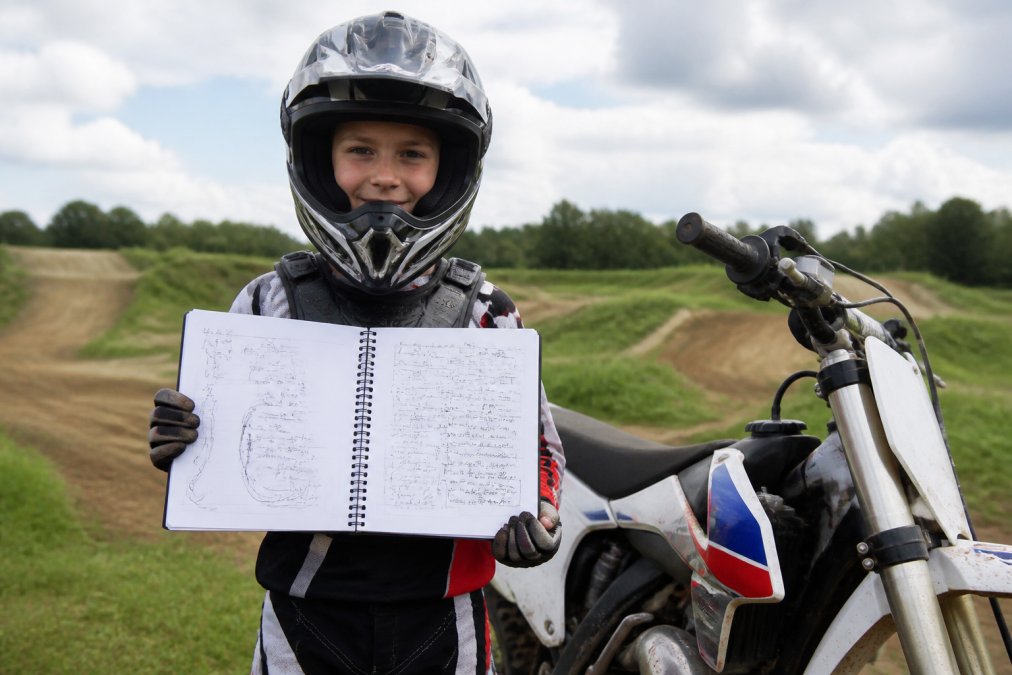
The Nelmgerian MX Training Journal is built specifically for young motocross riders serious about improvement. It includes structured sections for documenting training sessions, recording bike settings, tracking track conditions, and analyzing what worked and what didn't.
What separates this from a blank notebook is the framework. Young riders often don't know what to track or how to analyze performance. This journal guides them through the process. A rider might note: "Track was wet, rear tire lost grip on turn 3, adjusted tire pressure for next session." That's not just data collection, it's the beginning of race craft development.
For serious young riders (ages 8+), this tool becomes invaluable. The act of tracking creates accountability and encourages analysis that translates directly to better riding.
Dirt Notes: A Race Craft Journal
Dirt Notes takes training documentation to a higher level with yearly goal-setting, undated monthly calendars, and dedicated sections for training day notes and race day recaps. The 192 pages and matte finish signal this is a serious tool.
The emphasis on goal-setting distinguishes this journal. Before the season starts, a rider commits to specific objectives and tracks progress throughout. Race day recaps are particularly valuable, a rider reflects on what worked, what didn't, and what they'd do differently next time. Over a full season, these recaps create a personal database of performance insights.
This journal suits riders (8+) who compete regularly, not just ride for fun.
Coloring Books: Creative Engagement for All Ages
Coloring books provide creative outlet, fine motor practice, and screen-free connection to motocross passion during downtime.
Nelmgerian MX Expert Coloring Book
This coloring book features detailed motocross scenes: riders launching off jumps, navigating berms, waiting at the starting gate. The level of detail varies, allowing younger children to work on simpler areas while older kids tackle intricate sections.
This book keeps motocross top-of-mind during non-riding hours. A child coloring a detailed jump scene mentally rehearses the experience, thinking about body position, bike angle, and track features. The Nelmgerian MX Expert Coloring Book works for ages 4 and up, serving multiple children at different ages.
Motocross Mania Coloring Book
Motocross Mania features highly realistic, authentic motocross imagery. Bikes are proportionally accurate, riders positioned correctly, and track features recognizable. For children who know motocross well, this authenticity matters.
The variety in complexity means a five-year-old and a twelve-year-old can both find engaging sections. Single-sided pages prevent marker bleed-through. Scenes range from pit activities to freestyle tricks to race situations, offering visual variety that maintains interest.
Motocross Safety Tips for Kids: What Parents Should Know
Before a child ever throws a leg over a dirt bike, parents need to understand safety requirements. Proper preparation dramatically reduces injury severity.
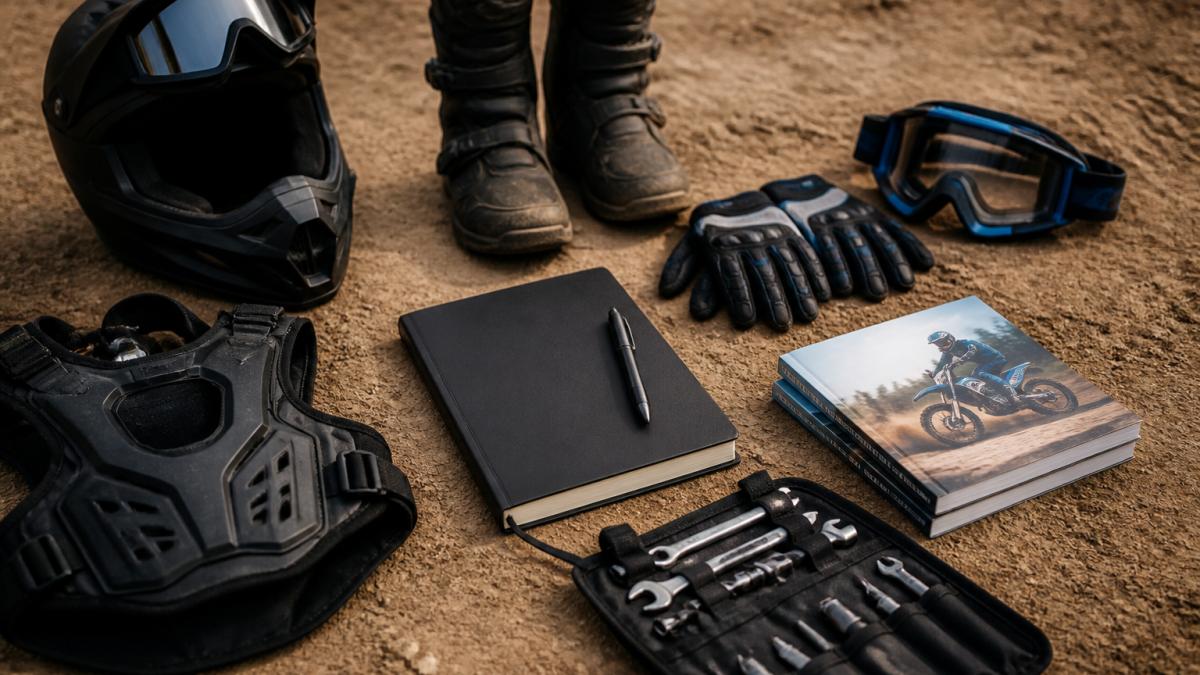
Helmets are non-negotiable. A properly fitted helmet rated for motocross protects against the most severe injuries (the CDC). Helmet fit changes as children grow, a helmet that fit properly six months ago may no longer provide adequate protection.
Body armor protects against impact injuries to the chest, shoulders, elbows, and knees (peer-reviewed research). Unlike helmets, armor reduces fractures and soft tissue damage. Young riders should wear armor during all riding, not just competition.
Boots designed for motocross protect ankles and feet during crashes. Regular sneakers don't provide adequate support. Motocross-specific boots have reinforced ankle areas and protective toe boxes designed for the specific forces involved in dirt bike riding.
Gloves protect hands during crashes and improve grip control. Hand injuries are common in motocross, yet gloves are frequently overlooked (peer-reviewed research). Quality gloves designed for the sport are inexpensive compared to the cost of hand injuries.
Goggles protect eyes from dirt, dust, and debris kicked up by other riders. They also protect against branch strikes in off-road riding.
Parents should establish a non-negotiable rule: no riding without complete gear. This habit, established early, becomes automatic.
Reading Level Categorization: Choosing the Right Book
Matching the right book to your child's development stage ensures they'll engage with it rather than getting frustrated or bored.
Ages 2-4 (Toddlers and Preschoolers): These children need books with minimal text, bright illustrations, and simple repetitive patterns. Good Night, Ryder works perfectly for this age with its familiar, calming bedtime story format.
Ages 4-6 (Early Readers): Early readers developing phonics skills benefit from Ryder's Digraph Dirt Track and Ryder's Math Race, which provide structured practice within an engaging theme while relying heavily on illustrations.
Ages 6-8 (Developing Readers): By this age, many children read simple chapter books independently. Ryder's First Motocross Race works well with its clear narrative arc, relatable characters, and supporting illustrations.
Ages 8+ (Independent Readers): Older children handle more complex narratives and longer books. They're ready for training journals and educational resources that require self-direction. The Nelmgerian MX Training Journal and Dirt Notes work well because they assume the reader can follow structured instructions and reflect independently.
Consider your child's actual reading level, not their age. A six-year-old reading below grade level will struggle with Ryder's First Motocross Race, while an advanced four-year-old might find Good Night, Ryder too simple.
From Books to Track: Building Confidence and Discipline
The real power of dirt bike books emerges when reading connects to actual riding. A child who reads Ryder's First Motocross Race and then participates in their first race experiences the story coming to life. A rider tracking progress in a training journal and reviewing notes before competition applies real analysis to real performance.
Books and training journals create mental frameworks that young riders carry to the track. They've already imagined themselves succeeding, thought through what preparation looks like, and practiced analyzing performance. When the moment arrives, these frameworks activate.
The discipline that training journals build, consistent documentation, honest reflection, goal-setting, transfers to other areas of life. A child learning to analyze motocross performance develops critical thinking skills that apply to school, sports, and personal challenges.
For families committed to motocross, the goal isn't just creating riders but young people who think critically, prepare intentionally, and reflect on their performance. Dirt bike books for kids, when selected thoughtfully and used actively, contribute to that larger development.
Building a young rider's confidence takes time, intentionality, and the right tools. Nelmgerian MX has created a complete collection of dirt bike books for kids that keeps young riders engaged, learning, and motivated whether they're on the track or at home. From storybooks that inspire to training journals that build discipline, every resource is designed to develop both the rider and the person. Visit Nelmgerian MX to explore the full collection and find the right books and training tools for your child's riding journey.
| Book/Resource | Best Age Range | Purpose | Format |
|---|---|---|---|
| Good Night, Ryder | 2-5 years | Bedtime routine, passion connection | Picture book |
| Ryder's First Motocross Race | 4-8 years | Inspiration, values building | Storybook |
| Ryder's Math Race | 4-8 years | Math skill practice | Workbook |
| Ryder's Digraph Dirt Track | 4-8 years | Reading fluency development | Educational book |
| Nelmgerian MX Expert Coloring Book | 4+ years | Creative engagement, fine motor skills | Coloring book |
| Motocross Mania Coloring Book | 4-12 years | Creative outlet, realistic imagery | Coloring book |
| Nelmgerian MX Training Journal | 8+ years | Performance tracking, skill analysis | Journal |
| Dirt Notes: A Race Craft Journal | 8+ years | Goal-setting, race analysis | Hardcover journal |
Frequently Asked Questions
Q: What age is appropriate for dirt bike books for kids?
A: Dirt bike books span multiple age ranges. Bedtime stories like Good Night, Ryder work for toddlers ages 2-5. Adventure and learning books suit ages 4-8, while training journals and advanced coloring books appeal to riders 8 and up. Match the reading level and complexity to your child's age and experience with motocross. Many families find that even young riders who aren't yet on a bike enjoy the stories and illustrations.
Q: How can beginner motocross training resources help my child improve?
A: Beginner motocross training resources like educational workbooks and training journals build foundational skills off the bike. Math and phonics books themed around dirt bikes keep learning engaging while connecting to your child's passion. Training journals teach discipline, goal-setting, and reflection, habits that transfer directly to track performance. These resources work best alongside actual riding practice and instruction.
Q: Are there books that teach motocross safety tips for kids?
A: While most children's dirt bike books focus on storytelling and adventure, safety concepts appear naturally in narratives that emphasize responsibility and proper preparation. Parents should supplement book learning with hands-on safety gear education, helmet fitting, and track rules. Many training journals include sections for documenting track conditions and bike setup, which reinforce safety-conscious riding habits and preparation.
Q: What makes youth motocross training journals different from regular notebooks?
A: Youth motocross training journals are purpose-built with prompts for tracking training sessions, bike settings, track conditions, and race results. Unlike blank notebooks, they guide young riders to reflect on performance, identify improvements, and set goals. This structured approach builds consistency and helps riders develop race craft. Journals designed specifically for motocross keep young riders focused on skill development both on and off the track.
This article was written using GrandRanker