 listicle
Buy Motocross Coloring Books Online: A Parent's Guide
Table of Contents
- Why Motocross Coloring Books Matter for Young Riders
- Dirt Bike Coloring Pages for Kids: What to Look For
- Digital Downloads vs. Physical Paperback Formats
- Best Beginner Motocross Training Resources Beyond Coloring
- Top Motocross Coloring Books to Buy Online
- How to Print Coloring Pages at Home
- Coloring Technique Tips for Young Artists
- Gift Ideas for Motorcycle Enthusiasts
Why Motocross Coloring Books Matter for Young Riders
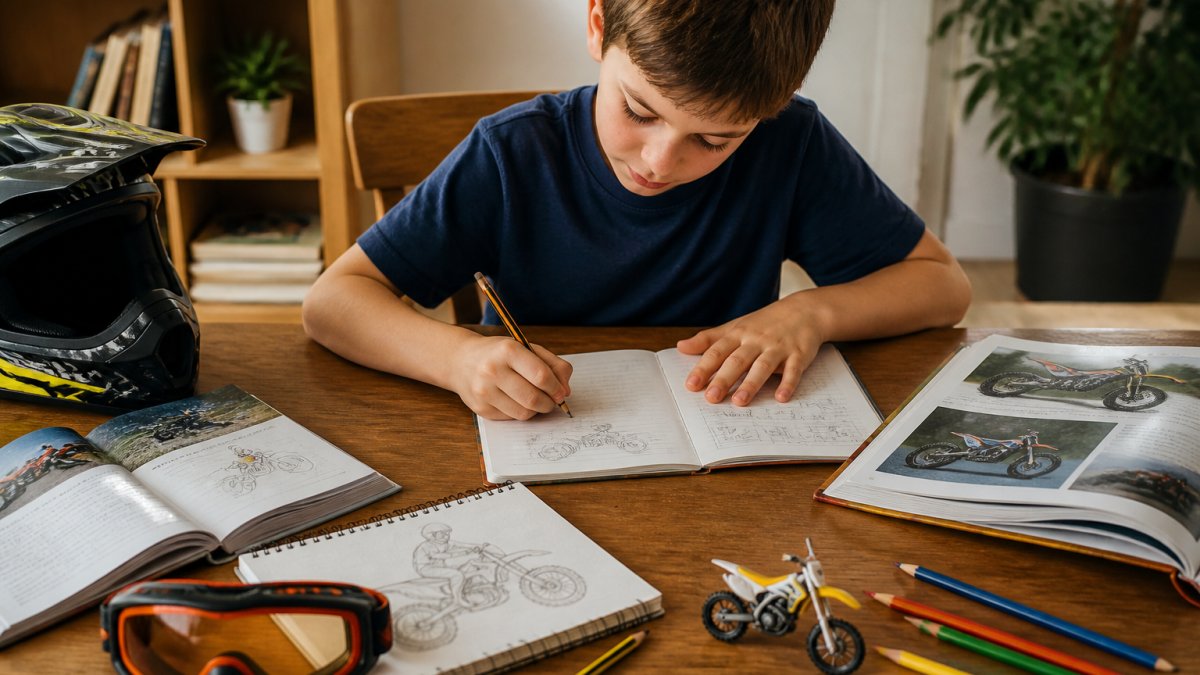
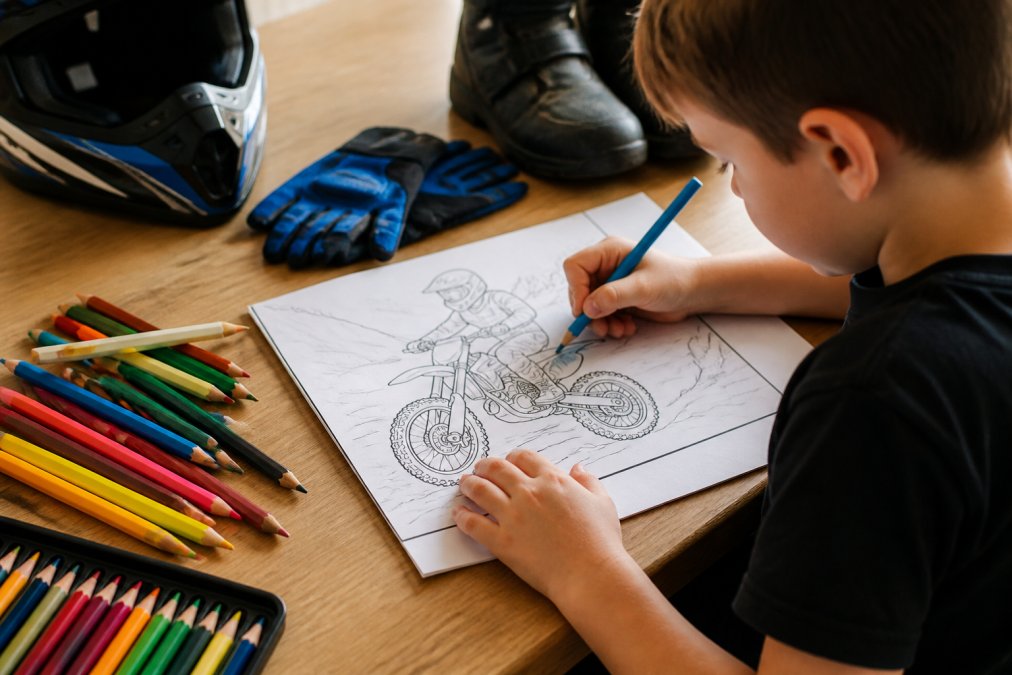
Coloring isn't just busywork. When a kid sits down with a motocross coloring book, they're doing something that builds focus, hand-eye coordination, and emotional regulation all at once. More importantly, they're staying connected to the sport they love even when they're not on the bike.
At Nelmgerian MX, young riders use coloring as a way to visualize themselves on the track. They color the jumps, the body positions, the gear, and somewhere in that process, confidence builds. It's not magic. It's the same principle that makes visualization work for athletes. When kids see themselves in the picture, literally putting color to their own future, something shifts.
The real benefit isn't the coloring itself. It's what happens in the mind while they're doing it. A child who's nervous about their first big jump can color a rider mid-air a hundred times. They see it as normal. Possible. Their own.
That's why choosing the right motocross coloring book matters. Not all coloring books are created equal. Some feature generic motorcycle images that could be anything. Others capture the real sport: the roost, the body position, the authentic details that make a young rider feel like they're part of something real.
Dirt Bike Coloring Pages for Kids: What to Look For
Finding quality dirt bike coloring pages means understanding what separates a book that engages a child from one that sits on the shelf. The details matter more than you'd think.
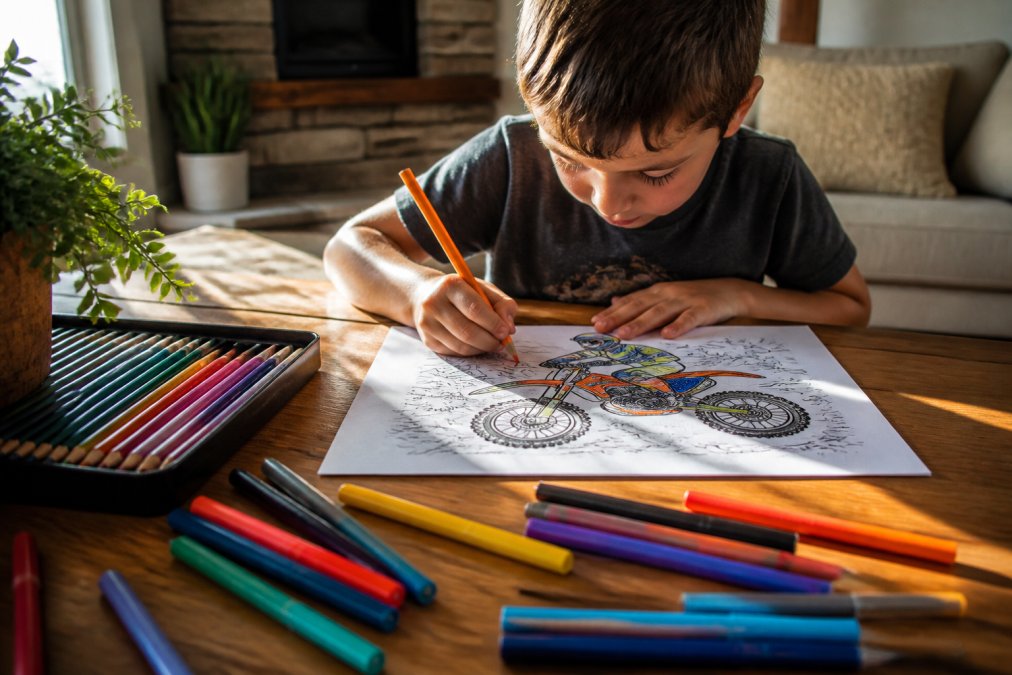
Age-Appropriate Difficulty Levels
The coloring pages need to match where your child is developmentally. A five-year-old coloring a simple bike outline is building confidence. That same child overwhelmed by a page packed with tiny details will abandon the book in frustration.
For ages 4-6, look for pages with bold outlines, large open spaces, and minimal detail (apa.org). These pages let young children focus on the act of coloring without getting frustrated by complex line work. The images should still feel authentic, a rider on a bike, a jump, a race scene, but simplified enough that a child can stay within the lines.
Ages 7-9 can handle more complexity. Finer details start appearing: helmet designs, bike components, background elements. At this level, kids develop the motor control and patience for pages that have more to color. They're proud when they finish something challenging.
Ages 10 and up can tackle grayscale and highly detailed designs. These pages introduce shading, depth, and technical accuracy. A rider's body position becomes anatomically correct. The bike has visible suspension, tire treads, and gear details. These pages appeal to kids who are already riding and want to understand the mechanics.
Paper Quality and Page Design
Single-sided pages matter more than you'd expect. When pages are printed on both sides, markers and wet media bleed through to the reverse (peer-reviewed research). Your child colors one side beautifully, flips the page, and finds their work ruined by ink from the other side. Single-sided pages prevent this frustration entirely.
Paper weight also affects the experience. Thin paper feels cheap and tears easily when erased. Heavier paper (at least 60 lb weight) handles markers, colored pencils, and light watercolor without buckling or tearing (peer-reviewed research). It feels substantial in a child's hands.
Look for pages that are at least 8.5 x 11 inches. Larger pages give kids more room to work, more space for fine details, and a sense of accomplishment when finished. Smaller formats feel cramped and limiting.
Themes: Racing, Stunts, and Freestyle
The best motocross coloring books feature variety in what they show. A book with only race scenes gets repetitive fast. Variety keeps children engaged through the entire book.
Look for pages that include racing (riders on tracks, starting gates, race day action), stunts (jumps, wheelies, tricks), freestyle (whips, flips, technical maneuvers), and pit life (mechanics working, riders with gear, family moments). This mix means every page feels different, and children stay interested longer.
Authentic detail matters here too. A rider's body position during a jump should reflect real motocross technique. The bike should have visible suspension working. Helmets and gear should look like actual motocross equipment, not generic motorcycle gear. Kids notice. They know what's real and what's not.
Digital Downloads vs. Physical Paperback Formats
This choice comes down to what you actually need and how you plan to use the book.
Physical paperback books arrive ready to use. You open the book, hand it to your child, and they start coloring. No printer required. No technical setup. The book sits on a shelf and feels like a real accomplishment when finished. For families without a reliable printer, or those who prefer the tactile experience of a real book, this is the clear choice.
Digital downloads offer instant access. You purchase, download, and print immediately. No waiting for shipping. This works well if you want to test whether your child will actually use the book before committing to a full physical copy. It's also cheaper upfront. Digital collections often include 40-50 pages for a fraction of the cost of a physical book, giving you more variety for less money.
The trade-off: digital requires a printer and paper. If your printer is unreliable or you don't have one, digital becomes frustrating. You also lose the sense of progression, watching a physical book fill with color feels different than printing pages one at a time.
For most families with young riders, a combination works best. Start with a digital collection to see what themes and difficulty levels your child prefers. Once you know what engages them, invest in a quality physical book as a keepsake.
Best Beginner Motocross Training Resources Beyond Coloring
Coloring books build confidence and connection, but they're part of a larger picture. Young riders benefit from resources that combine creative engagement with actual skill development.
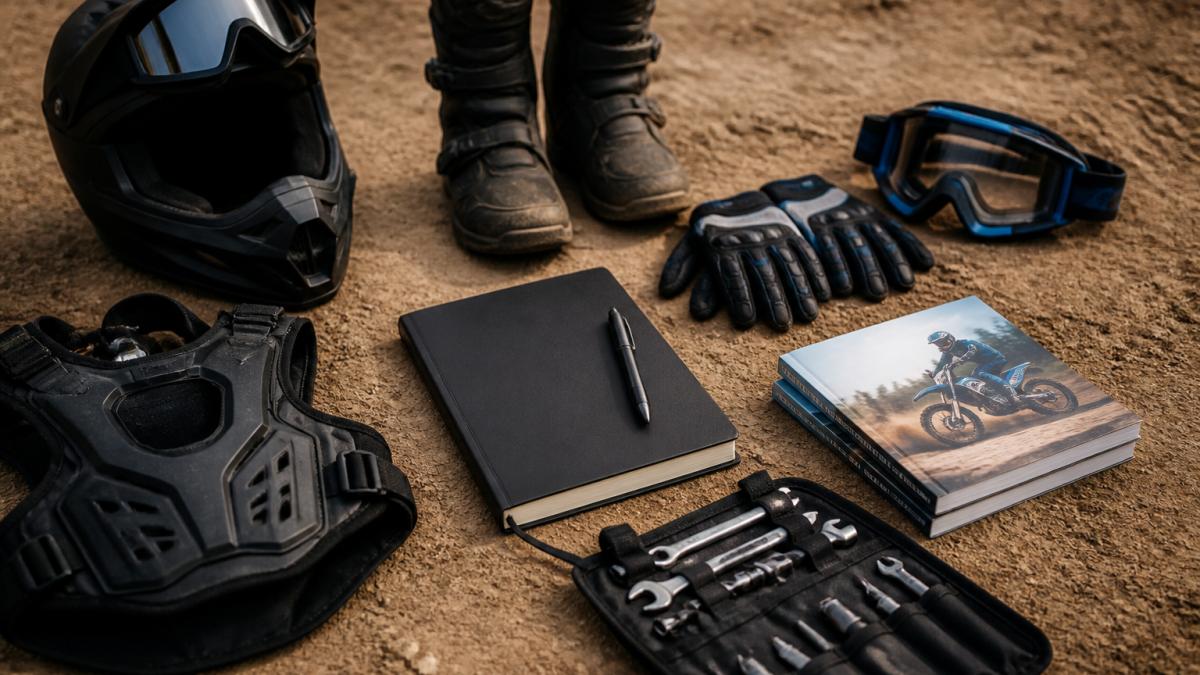
Training journals designed specifically for young riders track progress in a way that builds motivation. A child who logs their jumps, their improvements, and their goals sees themselves improving over time. This creates a feedback loop that keeps them engaged in the sport.
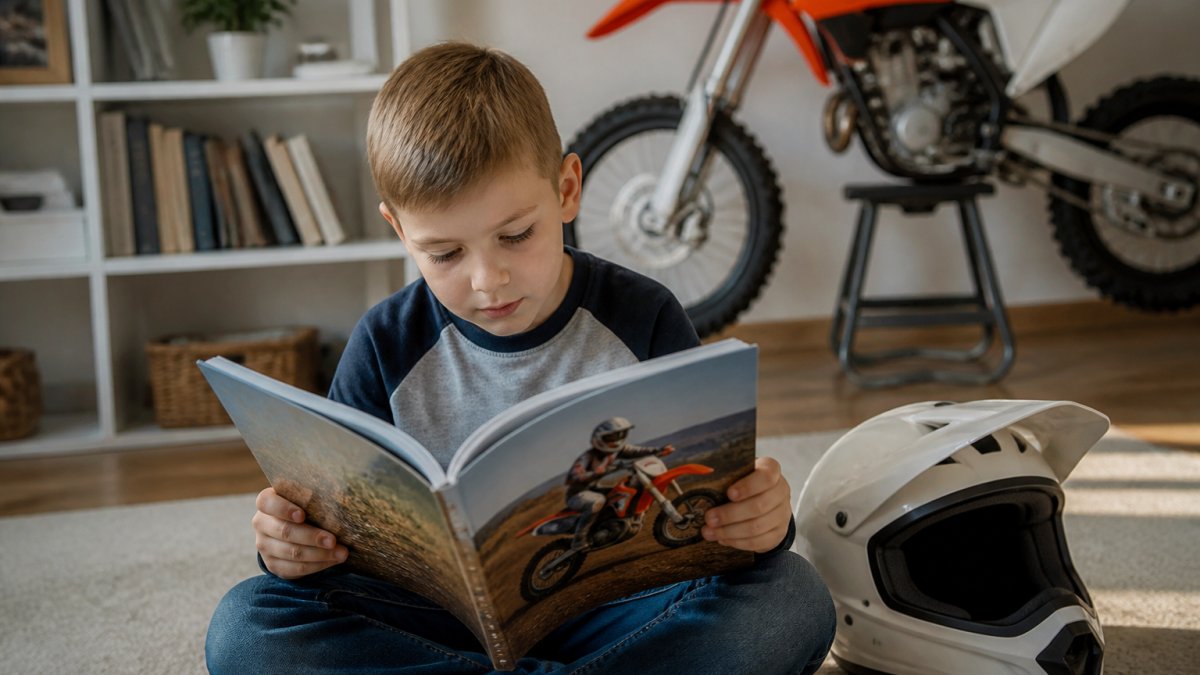
Story books that feature young riders in relatable situations help children see themselves in the narrative. A story about a nervous rider who overcomes fear before a big race validates what your child might be feeling. It normalizes the emotional side of the sport.
The most effective approach combines these resources. Your child colors to visualize success, reads stories that normalize the emotional journey, and uses a training journal to track real progress. Together, these tools build both confidence and actual skill.
Top Motocross Coloring Books to Buy Online
Motocross Mania Series: Authentic Illustrations for Ages 4-12
The Motocross Mania series stands out because it was designed specifically for young riders by people who understand the sport. The illustrations capture authentic motocross details: proper body position during jumps, realistic bike components, and genuine race day action.
Each book in the series features single-sided pages printed on quality paper that handles markers, colored pencils, and watercolor without buckling. The pages are sized at 8.5 x 11 inches, giving children plenty of room to work.
Motocross Mania Volume 1 focuses on racing action and track scenes. Motocross Mania Volume 2 expands into freestyle tricks, practice sessions, and pit life. This variety means a child can work through both books without feeling like they're coloring the same page repeatedly.
The difficulty level scales appropriately for ages 4-12. Early pages are simpler, later pages add more detail. A younger child can start at the beginning and feel successful. An older child can jump to more complex pages that challenge their skills.
Digital Collections: 40-50 Pages of Instant Access
For families wanting immediate access and maximum variety, digital PDF collections offer excellent value. These collections typically include 40-50 pages of motocross-themed coloring designs, delivered instantly upon purchase.
The advantage is flexibility. You print only the pages your child wants to color, when they want to color them. You can try different designs before committing to a full physical book. For families testing whether their child will actually use a coloring book, this is the smart first step.
Digital collections work best when paired with a decent printer and quality paper. Standard printer paper works, but heavier cardstock (at least 60 lb weight) makes the finished pages feel more substantial and handle markers better.
Adult and Family Options: Grayscale and Detailed Designs
Not every motocross enthusiast is a child. Adult coloring books featuring grayscale motocross designs offer a different experience. Grayscale pages (where the image is rendered in shades of gray rather than line art) require shading and blending techniques that create more sophisticated results.
These books appeal to adult riders, parents who want to color alongside their children, and families looking for a shared activity. The detailed designs feature accurate bike mechanics, realistic body positions, and technical accuracy that appeals to people who understand the sport deeply.
A book like Motocross Madness Grayscale Coloring Book for Men includes 40 pages of detailed motocross scenes printed single-sided on quality paper. The grayscale format means coloring becomes a more meditative, challenging activity that produces gallery-worthy results.
How to Print Coloring Pages at Home
If you've purchased digital downloads, printing at home is straightforward but requires a few right choices.
Start with paper quality. Standard 20 lb printer paper works, but it's thin. Markers will bleed through. Colored pencils will feel scratchy. Invest in heavier cardstock (60-80 lb weight) designed for color printing. It costs a few cents more per page and makes a dramatic difference in how the finished coloring looks and feels.
Adjust your printer settings for the paper weight you're using. Most printers have a "cardstock" or "thick paper" setting. Using the correct setting prevents jams and ensures even ink coverage.
Print in color, even if you plan to use markers or colored pencils. A color printout shows your child the intended colors and helps them make their own color choices. Black and white prints are fine, but color gives more visual information.
For PDFs with multiple pages, print selectively. You don't need to print all 40 pages at once. Let your child pick which pages they want to color. This keeps the activity fresh and lets them choose based on their current interests.
Store printed pages in a flat folder or portfolio to keep them clean and organized. Rolled or folded pages are frustrating to color.
Coloring Technique Tips for Young Artists
Teaching your child a few basic coloring techniques makes the experience more enjoyable and produces better results.
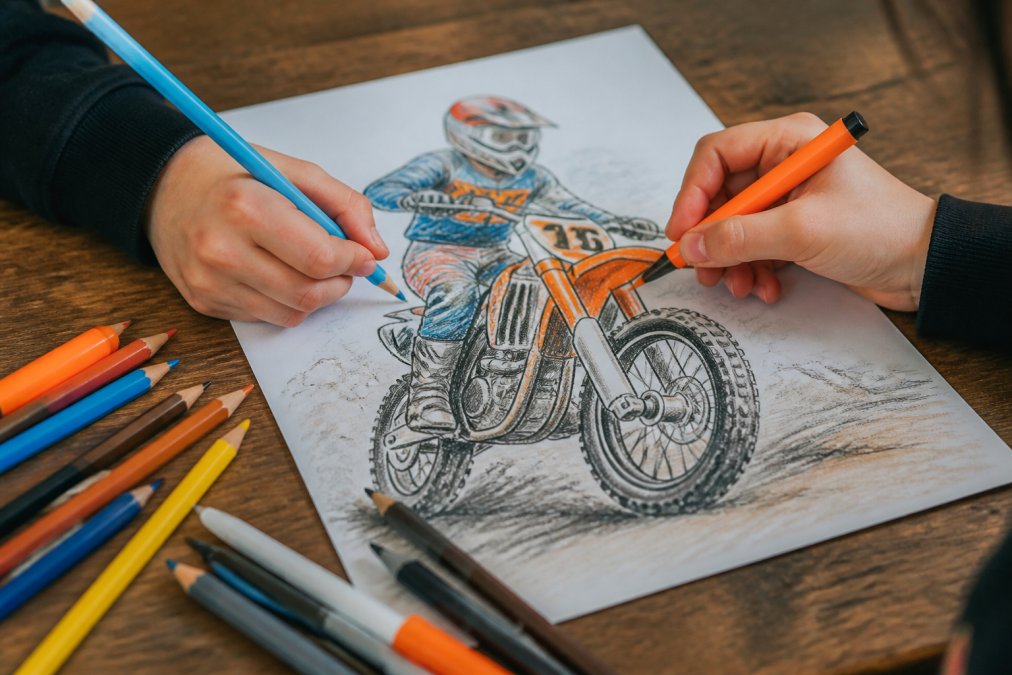
Start with light pressure. Young children often press hard, which exhausts them and makes it difficult to blend colors. Show them that light, gentle strokes build color gradually. They can always add more color, but they can't remove it.
Use the right tools for the job. Markers work best for large areas and bold colors. Colored pencils work better for detail and blending. Crayons are fine for very young children but don't produce the vibrant results that markers and pencils do. Let your child experiment with different tools to find what they prefer.
Blend colors at the edges. Where two colors meet, overlap them slightly and blend with a lighter color or a colorless blender pencil. This creates smooth transitions instead of harsh lines. It's a technique that makes coloring look more sophisticated.
Color the background last. If a page has a background (trees, sky, track), color the main subject first. This prevents accidentally coloring over the rider or bike with background color.
Don't feel pressured to stay in the lines perfectly. Especially for younger children, the goal is engagement and creativity, not perfection. A little color outside the lines is fine. It's part of the process.
Use the finished pages. Display colored pages on the refrigerator, in a portfolio, or framed in your child's room. Seeing their work displayed builds pride and motivation to color more.
Gift Ideas for Motorcycle Enthusiasts
Motocross coloring books make excellent gifts for young riders at any age, but they're even better when paired with complementary items.
A physical coloring book paired with a quality set of markers or colored pencils creates a complete gift. Your child gets the book and the tools to make it look great. This removes barriers to actually using the gift.
For families with multiple children, a digital collection paired with a training journal works well. Each child can print their own pages and track their own progress.
A combination gift, one physical book, one digital collection, and a rider training journal, gives a young rider everything they need to stay engaged with motocross both on and off the track. This approach works especially well for children who are serious about the sport.
For adult riders or grandparents, an adult grayscale coloring book paired with quality colored pencils creates a thoughtful, sophisticated gift that acknowledges their passion for the sport.
Consider the recipient's age and riding level when choosing. A five-year-old just starting on a 50cc needs age-appropriate pages with simple designs. A ten-year-old who's been riding for years will appreciate more complex, detailed pages.
Choosing the right motocross coloring book is about matching the content to your child's age, skill level, and what engages them. Whether you start with a digital collection to test interest or invest in a quality physical book, the goal is the same: keeping your young rider connected to the sport they love, building confidence and creativity in the process. Nelmgerian MX offers curated collections designed specifically for motocross families, combining authentic illustrations with educational value that goes beyond simple coloring. Start with what fits your family's needs, and watch how a simple activity becomes part of your child's journey in the sport.
Frequently Asked Questions
What age is appropriate for motocross coloring books?
Most motocross coloring books are designed for children aged 4-12, though some options work for younger riders (ages 3+) with simpler designs and larger spaces. Look for age-appropriate difficulty levels: younger children benefit from thicker lines and larger areas to color, while kids aged 8+ can handle detailed illustrations with smaller spaces. Always check the product description for the recommended age range before purchasing.
Should I buy physical motocross coloring books or digital downloads?
Physical books offer a tactile experience and no printing costs, making them ideal for immediate use and gift-giving. Digital downloads provide instant access, cost less, and let you print only the pages your child wants. If your child loves motocross, a physical book is great for repeated use and display. Digital PDFs work best if you want variety without storage space or want to test before committing to a full book.
How do dirt bike coloring pages help children learn about motocross?
Coloring motocross-themed pages builds familiarity with dirt bike designs, rider gear, track layouts, and racing scenarios. Kids absorb details about two-stroke and four-stroke bikes, helmet designs, protective equipment, and racing positions while coloring. This visual learning complements actual riding by reinforcing confidence and knowledge about the sport. Combined with training journals and storybooks, coloring becomes part of a complete learning experience that keeps young riders engaged off the track.
Can I get free motocross coloring pages online?
Some free options exist through general coloring sites, but high-quality motocross-specific pages are typically paid. Paid digital downloads offer better authenticity, detail, and variety than free generic options. If budget is tight, affordable digital PDFs provide excellent value, often 40-50 pages for a fraction of the cost of a physical book. Many retailers offer sample pages on their websites, so you can preview quality before buying.
This article was written using GrandRanker