 listicle
Is Motocross Training Worth It for Beginners
Table of Contents
- The Real Benefits of Motocross Training for Beginners
- Finding a Dirt Bike Class Near Me: What Your Options Look Like
- Motocross Training Drills for Beginners That Actually Stick
- Private vs Group Motocross Lessons: Which Path Fits Your Goals
- Common Mistakes Beginners Make (and How Training Prevents Them)
- Building Confidence and Breaking Through Psychological Barriers
- Making the Decision: Is Training Right for You?
Last Updated: August 24, 2026
The Real Benefits of Motocross Training for Beginners
Motocross training is worth it for beginners because structured instruction accelerates skill development, builds confidence faster, and keeps riders safe. Without formal coaching, beginners ingrain bad habits that take months to unlearn. Beginners who take instruction progress 2-3 times faster than self-taught riders because they're building correct muscle memory from day one (peer-reviewed research).
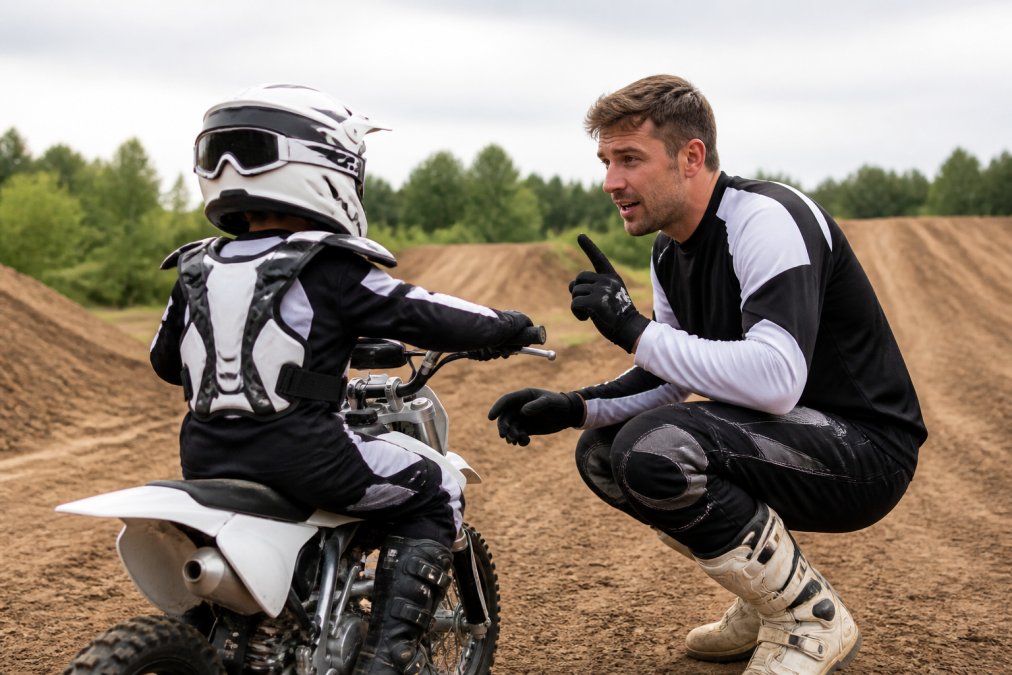
Training teaches body positioning, throttle control, braking points, and line selection in a controlled environment where mistakes don't result in injury. At Nelmgerian MX, young riders who receive coaching develop stronger confidence both on and off the track.
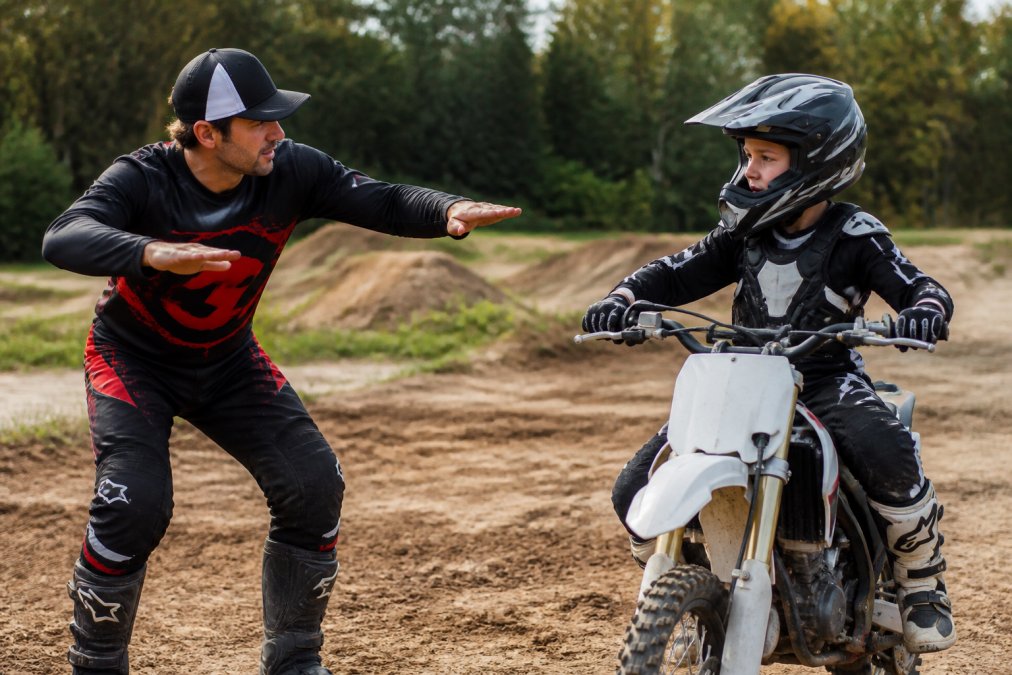
Riders who train learn track etiquette, understand suspension setup basics, and develop the physical conditioning that sustains longer riding sessions. They also learn to evaluate their own performance and adjust their approach. Proper body positioning and technique reduce the impact of falls and crashes (the CDC). A coach spots dangerous habits before they lead to injury.
The confidence factor matters significantly. A beginner taught proper technique by a certified instructor approaches the track with a different mindset. They know what they're supposed to be doing, and when they execute it correctly, they feel the difference immediately. That feedback loop builds real confidence.
Finding a Dirt Bike Class Near Me: What Your Options Look Like
Finding quality motocross training depends on your location, budget, and intensity level. Options range from one-day clinics to multi-week residencies at dedicated facilities.
The Motorcycle Safety Foundation DirtBike School offers one-day, hands-on training sessions focused on basic riding skills and responsible practices for off-highway motorcycles. MSF-certified coaches emphasize risk management and environmental awareness. Classes are available for riders ages six and up.
Millsaps Training Facility in southern Georgia operates three separate tracks with structured programs and coaching staff that includes former professionals. Their training camps run weekly and combine sports science technologies with hands-on instruction.
Georgia Practice Facility provides flexible options: daily lessons start at $200, weekly programs at $700, and monthly or yearly memberships are available. Coaches cover bike setup, track technique, jumping, cornering, braking, plus off-bike training with motocross-specific workouts and nutrition plans.
Cycle Ranch Motocross Park in Texas offers private and group lessons starting at $75 for beginner instruction, with dirt bike rentals available if you don't own equipment. They provide free training assessments to help new riders choose the right program level.
Gary Semics MX School teaches based on 55 fundamental techniques of motocross. Group classes start at $175 for a single day or $300 for two days. Full-time training programs with lodging and food included start at $1,400 per week.
A single-day clinic is ideal for testing whether training is right for you. Multi-week programs suit riders committed to rapid skill progression.
Motocross Training Drills for Beginners That Actually Stick
The drills that matter most for beginners build muscle memory and teach how a dirt bike responds to input.
Body positioning drills come first because everything else depends on it. Beginners need to practice standing on the pegs, shifting weight forward on acceleration, and moving back over the rear wheel for braking. A coach corrects the moment your hips drop or your arms lock up. Repeating this drill for 20 minutes builds automatic muscle memory.
Throttle control drills teach smooth acceleration instead of on-off inputs. Many beginners treat the throttle like a light switch, which unsettles the bike. Drills emphasizing gradual throttle opening, steady power through turns, and feathering on acceleration train precise wrist response. This single skill cuts lap times significantly.
Braking point drills establish where and how hard to brake before turns. Structured drills marking braking zones and practicing hitting the same point repeatedly build confidence and speed.
Line selection drills teach the difference between the racing line, the safe line, and the line that works for your current skill level. Riding the same section repeatedly builds consistency and control.
Jump face and landing transition drills are critical for safety. Beginners learn the difference between attacking a jump and simply riding into it. A coach identifies whether you're landing too far back, too far forward, or off-center before bad habits form.
The drills that stick are practiced consistently with feedback. Repetition over weeks builds the automatic response needed under race conditions.
Private vs Group Motocross Lessons: Which Path Fits Your Goals
The choice between private and group instruction depends on your learning style, budget, and goals.
Private lessons offer personalized attention and custom progression. A coach focuses entirely on your technique, identifying specific weaknesses and addressing them directly. This accelerates learning because the coach adjusts intensity to match your pace. The tradeoff is higher cost.
Group lessons are more affordable and create community. Riders learn together, watch each other's mistakes and improvements, and push each other to progress. Group instruction works well for beginners because everyone's at a similar level. The downside is less individual attention.
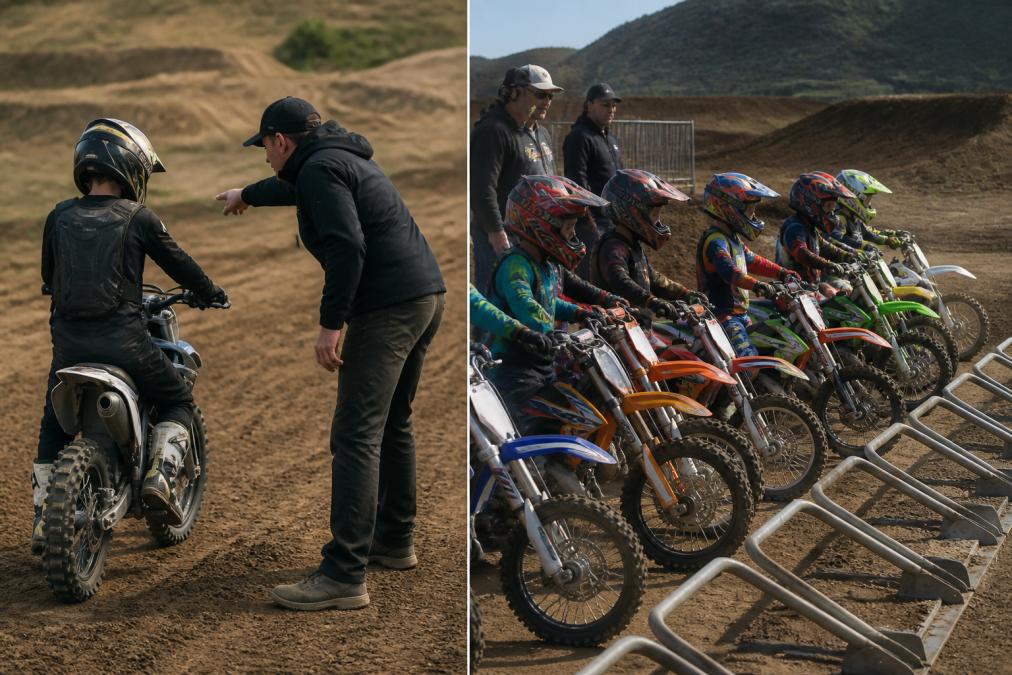
Semi-private lessons split the difference. Two or three riders work with one coach, providing more attention than a full group at lower cost than private instruction.
For most beginners, starting with group instruction makes sense. It's affordable, you'll progress quickly, and you can move to private lessons later if needed. If budget allows and you have a specific weakness, private instruction accelerates improvement in that area.
Common Mistakes Beginners Make (and How Training Prevents Them)
The mistakes beginners make without coaching are predictable and costly.
Sitting too far back shifts weight to the rear wheel, reducing front-end grip and making the bike harder to turn. A coach corrects this immediately, teaching riders to move forward on acceleration and stay centered through turns.
Braking too late and too hard unsettles the bike and forces unnecessary slowdown. Training teaches the proper braking point: brake earlier, brake lighter, and finish braking before turning. This maintains speed through corners.
Attacking jumps instead of riding them causes crashes and injury. Proper technique uses consistent approach speed, lets the bike do the work, and lands smoothly. A coach teaches this in a single session, but repetition makes it automatic.
Gripping the handlebars too tightly makes steering harder and tires your arms. Training teaches relaxation techniques and the counterintuitive skill of steering with leg pressure rather than arm strength.
Poor throttle control leads to wheel spin and inconsistent speed. Training teaches smooth, progressive throttle application. Rolling the throttle open gradually instead of snapping it improves lap times and reduces crashes.
Ignoring track etiquette and safety affects everyone. Proper training includes instruction on passing safely, maintaining distance, and understanding track rules.
Skipping bike maintenance is often overlooked but matters. A coach who teaches basic suspension setup, chain maintenance, and tire pressure helps riders understand how setup affects performance.
Training prevents these mistakes by teaching correct technique from the start. It's far easier to learn correctly than to unlearn bad habits.
Building Confidence and Breaking Through Psychological Barriers
Confidence in motocross isn't just about skill, it's about trusting your body and the bike. Beginners often hit a wall where going faster feels dangerous and doubt creeps in.
The psychological barrier most beginners face is the gap between what they've done and what they think they're capable of. A rider comfortable at 20 mph suddenly feels terrified at 25 mph, even though the difference is tiny.
Structured training breaks this barrier by building confidence incrementally. A coach creates small, achievable challenges that prove you're capable of more than you thought. You nail a turn you were scared of, and suddenly that turn isn't scary anymore. This pattern repeats until confidence builds naturally.
The fear of crashing is another barrier. Beginners often ride defensively, holding back power and speed to avoid risk. But defensive riding is actually more dangerous because it's inconsistent. Confident riding with smooth inputs and proper technique is safer. Training teaches that crashes are part of the sport, that proper technique minimizes injury risk, and that protective gear works.
Adult beginners face unique challenges. They often compare themselves to younger riders and feel discouraged. Training helps adult beginners understand that consistency and correct technique matter more than age or experience.
Mental focus is trainable. A coach teaches riders to focus on line selection and throttle control, not on fear or speed. Instead of thinking "I'm going too fast," a trained rider thinks "I need to brake earlier and turn in tighter." This shift reduces anxiety.
Confidence also comes from tracking progress. Riders who keep training journals can see improvement week to week. This documentation builds confidence because it provides evidence of progress.
Making the Decision: Is Training Right for You?
Training is absolutely worth it if:
- You're serious about improving quickly and safely
- You want to avoid developing bad habits
- You have specific weaknesses to address
- You're returning to the sport after a break
- You want to build confidence and mental focus
- You have access to a facility or coach within reasonable distance
Training might not be essential if:
- You're a casual rider unconcerned with speed or progression
- You have experienced riders in your family or friend group who can provide feedback
- You live far from any training facility
- Your budget is extremely tight
Most beginners benefit from training. Even one or two sessions with a coach can correct fundamental mistakes that would otherwise take weeks to fix.
Consider starting with a single day of group instruction or a one-day clinic. This costs $75-$200 and shows whether structured training works for your learning style. If you progress quickly, invest in more training.
The best time to train is early in your riding journey, when you're still building muscle memory and habits. Early training prevents bad habits from forming.
The decision to pursue motocross training as a beginner comes down to how seriously you want to progress and how much you value safety and confidence. Structured instruction accelerates skill development, prevents injuries, and builds the mental focus that separates competent riders from frustrated ones.
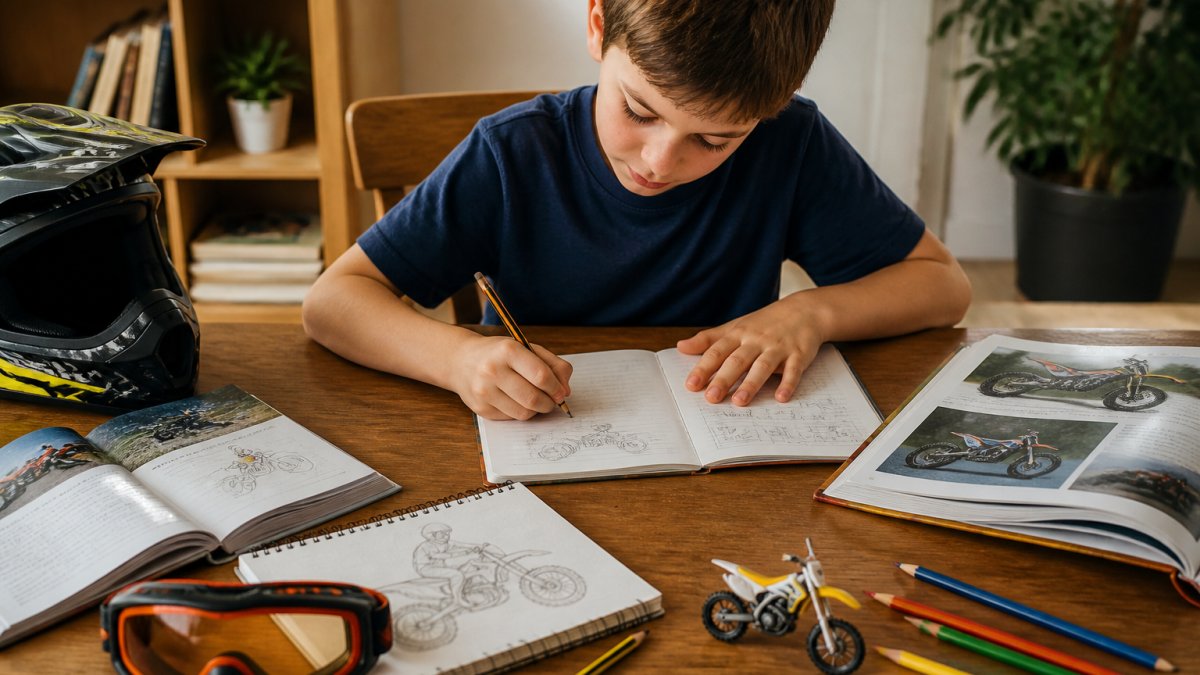
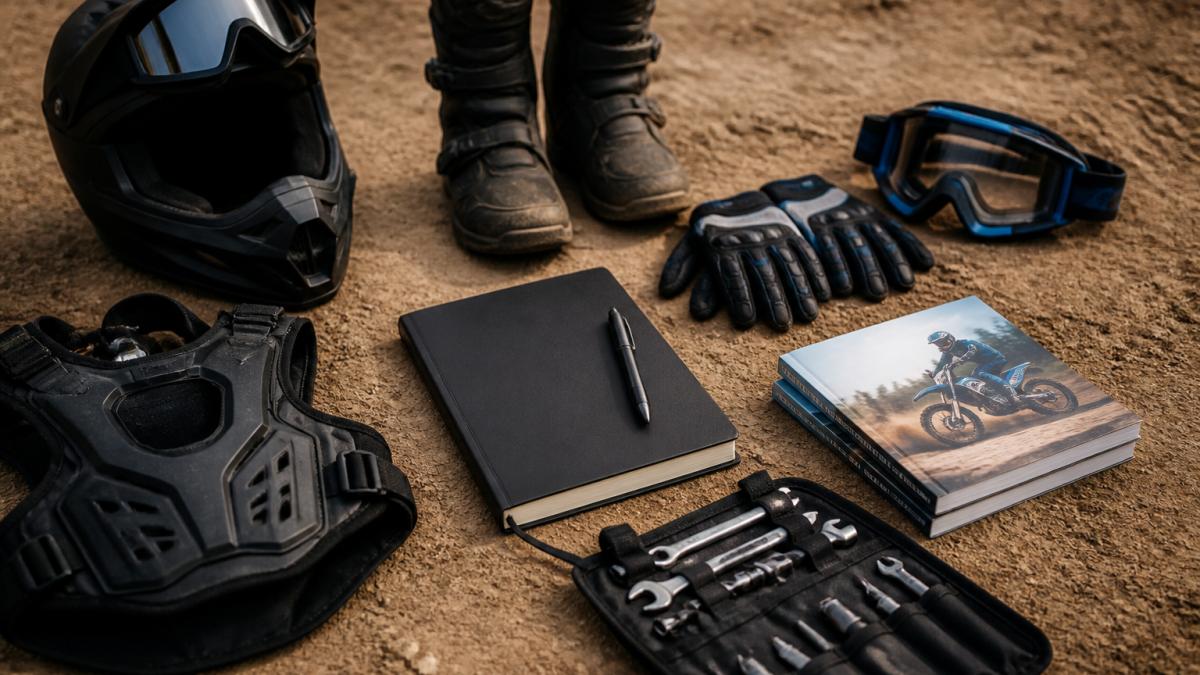
Nelmgerian MX understands that training is just one part of a young rider's journey. Beyond coaching and track time, young riders benefit from educational resources that keep them engaged with the sport year-round. Our rider training journals help you track progress between sessions, document which techniques are becoming automatic, and identify areas for the next training focus. Our children's storybooks and activities build passion for motocross culture and keep young riders connected to the sport even when they're not on the bike. As we expand into our private track facility in Crossville, Alabama, we're creating a complete destination experience where families can learn, ride, and grow together. Start your training journey with confidence, track your progress with tools designed for young riders, and watch your skills develop faster than you thought possible.
=== FAQ ANSWERS (audit these too, same rules) ===
[1] Q: What should a beginner expect from their first motocross training class? A: Your first class typically covers basic body positioning, throttle control, and clutch modulation on flat ground or gentle slopes. Expect to spend time learning how to mount and dismount safely, understand brake points, and practice foundational steering. Most instructors start slow to build muscle memory and confidence. Wear full protective gear including a helmet certified for off-road riding, and plan for 2-4 hours of instruction. You'll likely feel tired but accomplished, motocross training is physically demanding but designed to progress at your pace.
[2] Q: How much does professional motocross coaching cost? A: Costs vary widely depending on format and location. Group classes can start around $75-$195 per day, while private lessons typically run $200-$300+ per day. Multi-day camps can range from $750-$1,500 per week, and intensive residential programs can exceed $15,000 per year. Some facilities offer flexible options: daily drop-in sessions, weekly packages, or monthly memberships. Check with facilities near you for current pricing and bundle deals, as many offer discounts for multiple sessions or family packages.
[3] Q: Is motocross training worth it if my kid just wants to ride and have fun? A: Yes. Structured motocross training drills for beginners build the skills that make riding safer and more fun. Kids who learn proper technique progress faster, crash less, and enjoy longer rides without fatigue. Training also teaches track etiquette, bike maintenance basics, and how to set realistic goals. Even recreational riders benefit from instruction on cornering speed, jump face approach, and landing transition technique. The investment pays off in confidence, longevity in the sport, and injury prevention, not just competitive results.
[4] Q: Should I choose private vs group motocross lessons for my beginner? A: Private lessons offer personalized feedback, faster skill progression, and flexibility in scheduling. They're ideal if your child has specific fears, learns best one-on-one, or needs custom drills tailored to weak points like holeshot technique or rhythm sections. Group lessons build camaraderie, expose riders to different learning styles, and cost less. They work well for confident beginners who thrive on peer motivation. Many riders benefit from mixing both: group lessons for fundamentals and social connection, private sessions to break bad habits or master advanced skills like jump mechanics.
[5] Q: Can adult beginners benefit from motocross training, or is it just for kids? A: Adults absolutely benefit from professional instruction. Motocross training for beginners addresses psychological barriers that adults often face, fear of injury, self-doubt, and overthinking body positioning. Structured coaching helps adults build muscle memory efficiently, manage stamina better, and understand bike handling principles. Adult-specific programs exist at many facilities. The investment is worthwhile because adults often progress faster with good instruction and are more likely to stick with the sport long-term when they have proper foundational skills and injury prevention strategies in place.
Frequently Asked Questions
Q: What should a beginner expect from their first motocross training class?
A: Your first class typically covers basic body positioning, throttle control, and clutch modulation on flat ground or gentle slopes. Expect to spend time learning how to mount and dismount safely, understand brake points, and practice foundational steering. Most instructors start slow to build muscle memory and confidence. Wear full protective gear including a helmet certified for off-road riding, and plan for 2-4 hours of instruction. You'll likely feel tired but accomplished, motocross training is physically demanding but designed to progress at your pace.
Q: How much does professional motocross coaching cost?
A: Costs vary widely depending on format and location. Group classes can start around $75-$195 per day, while private lessons typically run $200-$300+ per day. Multi-day camps can range from $750-$1,500 per week, and intensive residential programs can exceed $15,000 per year. Some facilities offer flexible options: daily drop-in sessions, weekly packages, or monthly memberships. Check with facilities near you for current pricing and bundle deals, as many offer discounts for multiple sessions or family packages.
Q: Is motocross training worth it if my kid just wants to ride and have fun?
A: Yes. Structured motocross training drills for beginners build the skills that make riding safer and more fun. Kids who learn proper technique progress faster, crash less, and enjoy longer rides without fatigue. Training also teaches track etiquette, bike maintenance basics, and how to set realistic goals. Even recreational riders benefit from instruction on cornering speed, jump face approach, and landing transition technique. The investment pays off in confidence, longevity in the sport, and injury prevention, not just competitive results.
Q: Should I choose private vs group motocross lessons for my beginner?
A: Private lessons offer personalized feedback, faster skill progression, and flexibility in scheduling. They're ideal if your child has specific fears, learns best one-on-one, or needs custom drills tailored to weak points like holeshot technique or rhythm sections. Group lessons build camaraderie, expose riders to different learning styles, and cost less. They work well for confident beginners who thrive on peer motivation. Many riders benefit from mixing both: group lessons for fundamentals and social connection, private sessions to break bad habits or master advanced skills like jump mechanics.
Q: Can adult beginners benefit from motocross training, or is it just for kids?
A: Adults absolutely benefit from professional instruction. Motocross training for beginners addresses psychological barriers that adults often face, fear of injury, self-doubt, and overthinking body positioning. Structured coaching helps adults build muscle memory efficiently, manage stamina better, and understand bike handling principles. Adult-specific programs exist at many facilities. The investment is worthwhile because adults often progress faster with good instruction and are more likely to stick with the sport long-term when they have proper foundational skills and injury prevention strategies in place.
This article was written using GrandRanker