 ultimate-guide
Benefits of Motocross for Child Development: 7 Key Advantages
Table of Contents
- How Motocross Benefits Child Development
- Building Self-Confidence and Self-Esteem Through Racing
- Developing Discipline and Responsibility in Young Riders
- Physical Benefits of Dirt Biking for Youth
- Enhancing Motor Skills and Sensory-Motor Development
- Mental Health and Focus Benefits of Motocross
- Social Skills and Family Bonding Opportunities
- Motocross Safety Gear for Kids and Injury Prevention
- Frequently Asked Questions
Last Updated: July 9, 2026
How Motocross Benefits Child Development
Motocross challenges children physically, mentally, and emotionally in ways that few other activities can match. At Nelmgerian MX, we've observed how young riders develop critical life skills through the sport that shape them into more confident, disciplined, and resilient individuals. Research from American Academy of Pediatrics guidelines on youth sports emphasizes that structured physical activities build self-regulation and confidence in children. Below, we explore seven key advantages that make motocross a powerful developmental tool.
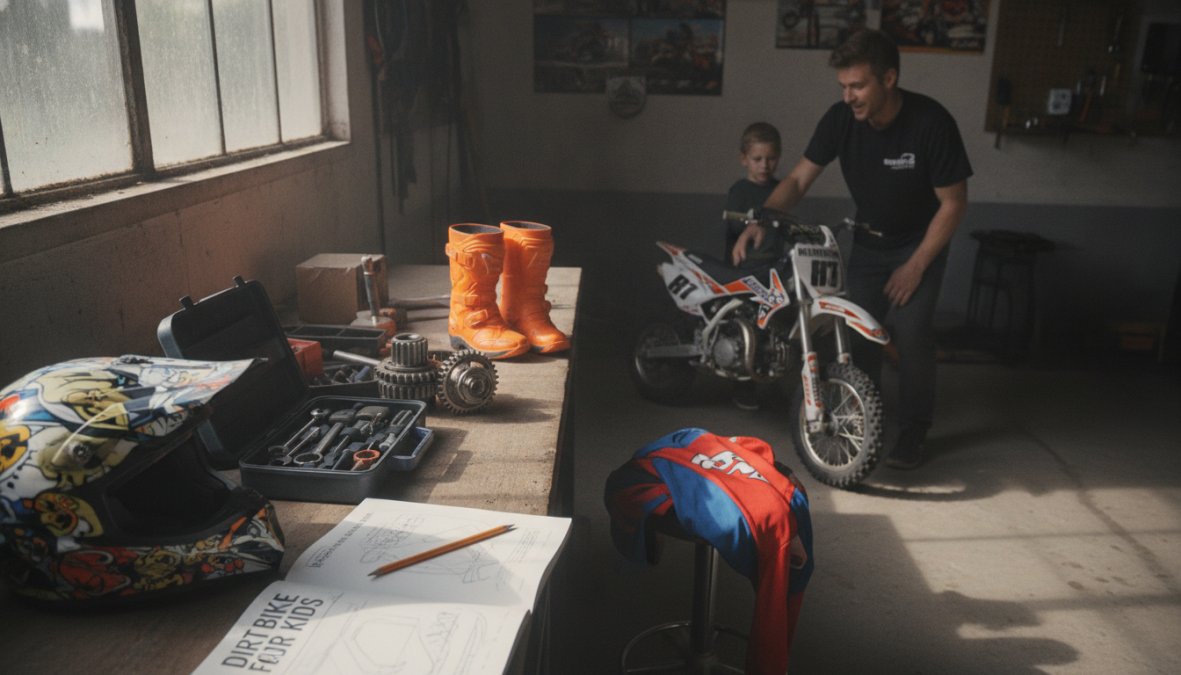
Building Self-Confidence and Self-Esteem Through Racing
Every time a young rider conquers a new section of track or completes their first race, they experience genuine achievement that translates into lasting confidence. Young riders learn to set realistic goals and achieve them through progressive skill development. The racing environment creates natural opportunities for self-assessment, riders can measure lap times and identify specific areas for improvement, fueling intrinsic motivation.
Developing Discipline and Responsibility in Young Riders
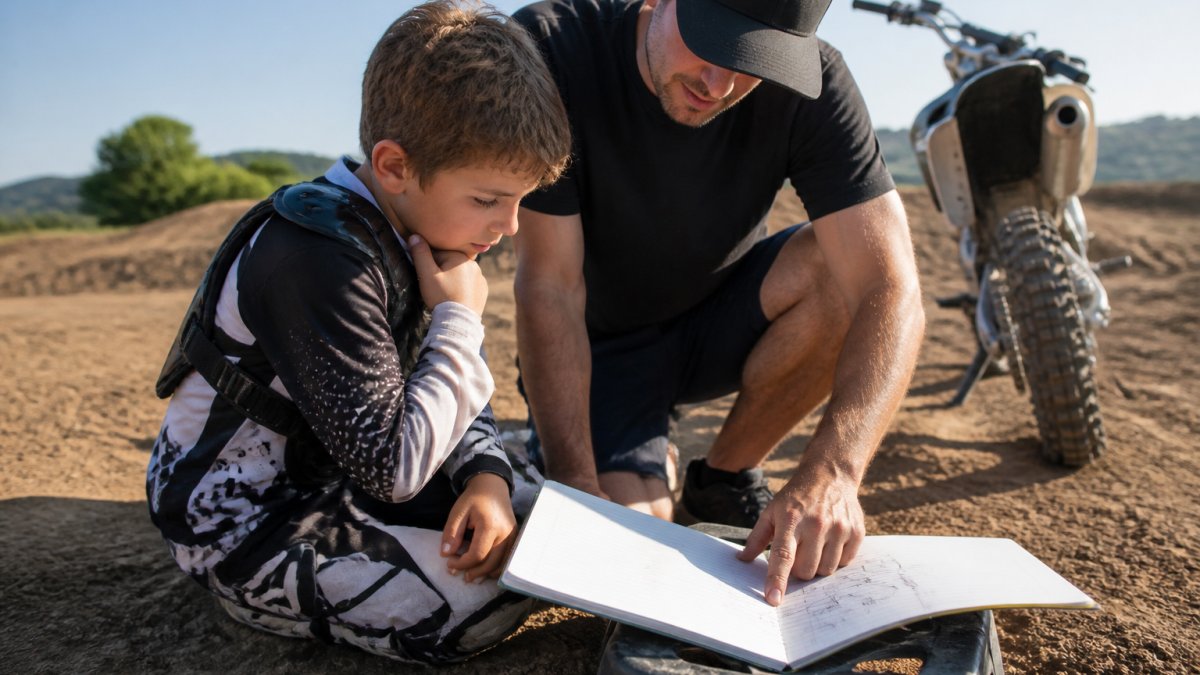
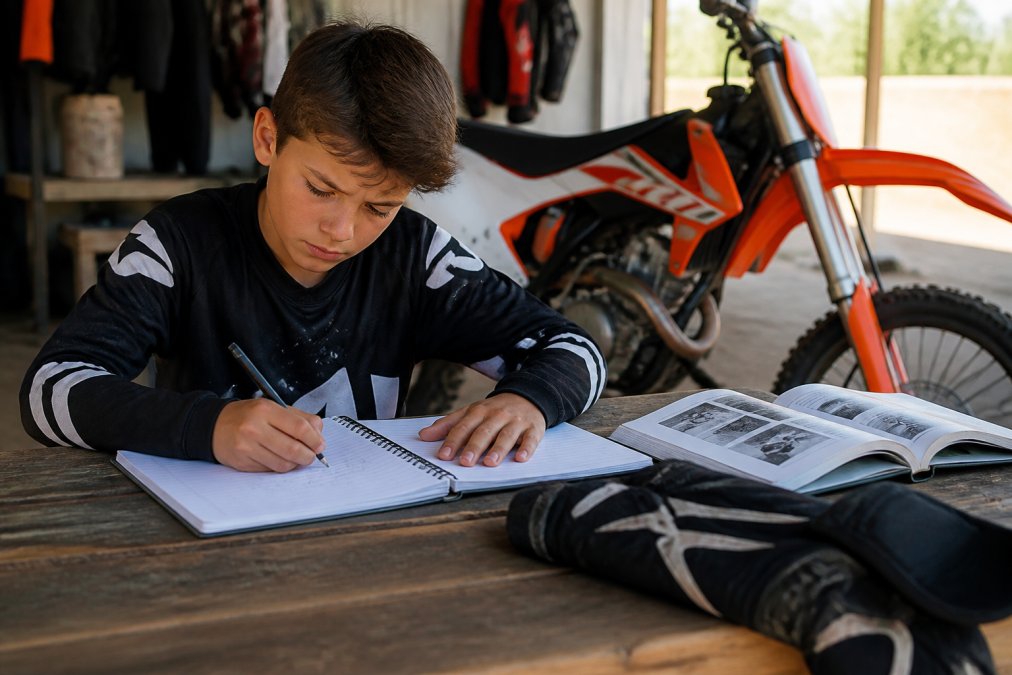
Motocross demands discipline in ways that classroom settings rarely do. A rider who shows up unprepared will lose. A rider who neglects bike maintenance will break down on the track. These consequences are immediate and real. Young racers learn that success requires consistent practice, not just talent. They develop routines around bike preparation, physical conditioning, and mental focus. Responsibility extends to equipment care and safety, young riders understand that their helmet, protective gear, and bike require maintenance and inspection.
| Responsibility Area | What Young Riders Learn | Real-World Application |
|---|---|---|
| Equipment maintenance | Checking tire pressure, chain tension, brake function | Vehicle care, personal property management |
| Time management | Balancing practice, school, and recovery | Work and life organization |
| Goal tracking | Setting measurable targets and monitoring progress | Academic and professional planning |
| Safety compliance | Following rules to prevent injury | Risk awareness in all activities |
Physical Benefits of Dirt Biking for Youth
Motocross is one of the most physically demanding youth sports available. A typical motocross race lasts 20-30 minutes of nearly continuous physical exertion, demanding sustained aerobic capacity and muscular endurance. Riders develop core stability from maintaining control of the bike, leg strength from gripping and managing body position, and upper body power from steering. Young riders who compete regularly show improvements in overall fitness levels compared to sedentary peers.
The sport also develops quick reflexes and balance. Riders must respond instantly to changing track conditions, adjust body position mid-air, and maintain equilibrium while accelerating and braking.
Enhancing Motor Skills and Sensory-Motor Development
Fine and gross motor skill development accelerates through motocross training. Riders develop precise hand-eye coordination as they navigate technical sections at high speeds. Young riders must integrate visual information about the track, proprioceptive feedback about their body position, and vestibular input from acceleration and turning. This integration builds neural connections that underlie complex motor control.
Motocross accelerates development of balance and body awareness. Riders learn to shift weight intentionally, manage the bike's lean angle through corners, and control their center of gravity. According to Journal of Motor Learning and Development research on youth sports, activities requiring complex motor control like motocross show significant benefits for developing coordination and spatial reasoning in children ages 6-15.
Mental Health and Focus Benefits of Motocross
When a young rider is on the track, they cannot afford to think about homework, social conflicts, or family stress. The sport demands complete presence and focus, providing a mental reset that many young riders find therapeutic. Racing teaches young people to manage anxiety and pressure through mental routines, visualization, and breathing techniques that extend beyond racing into other high-pressure situations.
Motocross builds resilience through failure. Every rider crashes or has a bad race. The sport normalizes failure as a learning opportunity rather than a catastrophe. Young riders who experience racing learn to bounce back from setbacks and try again. The sport also provides a healthy outlet for energy and stress, helping young riders regulate their nervous system.
Social Skills and Family Bonding Opportunities
Motocross communities are remarkably welcoming, and the social benefits extend far deeper than casual friendships. The sport creates a structured environment where young riders develop peer relationships, family bonds, and social confidence through shared goals and genuine achievement.
Building Peer Relationships Through Shared Commitment
Unlike school friendships based on proximity, motocross friendships form around mutual respect for commitment and performance. Young riders learn that competition and respect aren't mutually exclusive, you race hard against someone on the track, then help them troubleshoot their bike afterward. Young riders also develop mentorship relationships with more experienced competitors and coaches, gaining role models outside the family structure.
Family Bonding Through Shared Goals and Rituals
Motocross creates a shared language within families. Parents become invested in their child's progress, attending races and supporting training efforts. Weekend track days become family events. Pre-race routines and post-race debriefs create opportunities for constructive conversation that many families struggle to find elsewhere. For families with multiple children, motocross can become a unifying activity that strengthens family cohesion.
Age-Appropriate Progression and Social Development
Motocross progression pathways align naturally with social and cognitive development stages:
Ages 4-6: Young riders develop basic motor skills and learn to follow instructions in small, supportive groups. Focus is on individual achievement and building confidence.
Ages 6-8: Children become aware of peer performance. Group practice sessions help them develop social confidence while learning alongside peers at similar skill levels.
Ages 8-12: Children develop competitive instincts naturally. Structured racing with clear outcomes helps them learn to handle winning and losing gracefully. Mentorship relationships with coaches become valuable.
Ages 12+: Adolescents develop identity and decide which activities matter to them. Young riders benefit from increased autonomy in training decisions and can mentor younger riders.
Cost-Benefit Analysis: Investment vs. Developmental Return
Entry-level costs (first year):
- Bike: $1,500-3,000 (new) or $800-1,500 (used)
- Protective gear: $400-800
- Track membership or day fees: $500-1,500 annually
- Maintenance and consumables: $300-600 annually
- Coaching (optional): $500-1,500 annually
Total first-year investment: $3,600-8,400
Ongoing annual costs (years 2+): $1,900-5,200
The developmental return is measurable: genuine confidence through earned achievement, discipline and responsibility that transfer to academics, physical fitness that reduces obesity risk, resilience and problem-solving skills, genuine peer relationships, and strengthened family bonds. Motocross delivers comparable developmental value to competitive soccer, hockey, or swimming at a similar price point.
Managing Social Comparison and Pressure
Parents should actively manage unhealthy social comparison by focusing on personal progress rather than peer comparison, limiting social media exposure, emphasizing process over outcome, and normalizing failure as a learning opportunity.
Motocross Safety Gear for Kids and Injury Prevention
Parents considering motocross rightfully cite safety as their primary concern. Injury severity is directly correlated with three factors: rider skill level, equipment quality, and progression pace. A structured approach to all three dramatically reduces serious injury risk.
How Safety Equipment Reduces Injury Severity
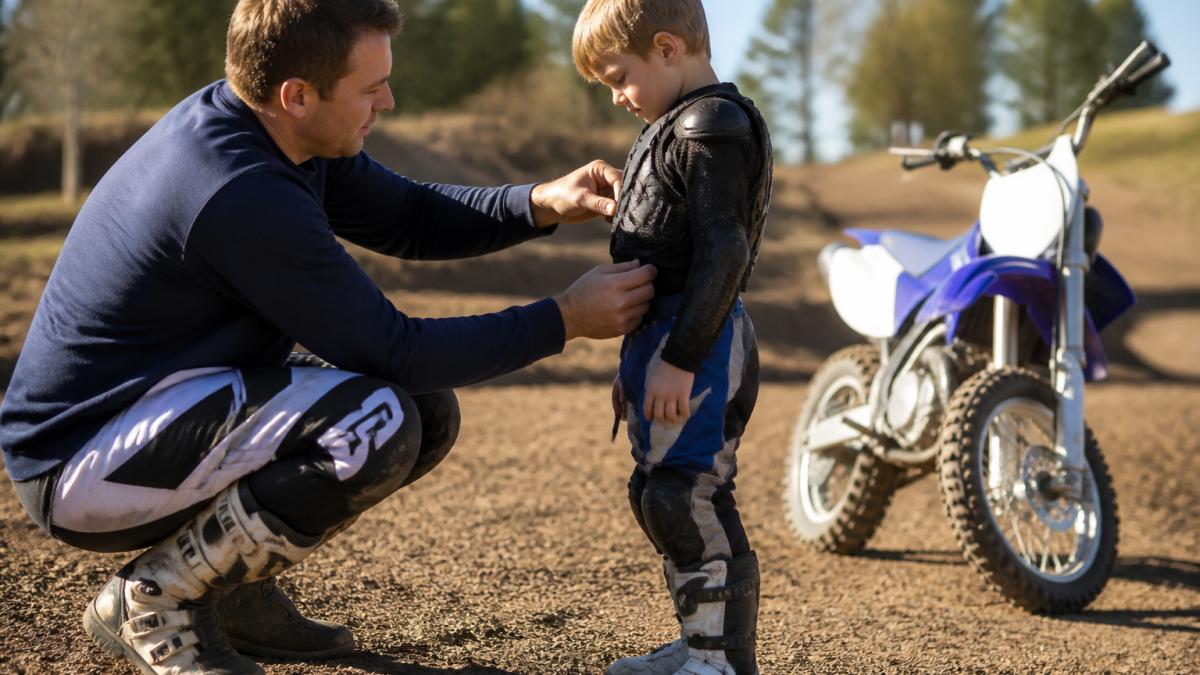
Proper safety gear transforms crash outcomes from potentially career-ending to manageable. A quality DOT, ECE, or Snell-certified helmet reduces head injury risk by approximately 70% compared to no helmet. Beyond the helmet, comprehensive protective equipment creates layers of protection: chest protectors shield vital organs, motocross-specific gloves protect hands and improve grip control, boots protect ankles from twisting forces, protective pants and jerseys offer abrasion resistance, and goggles protect eyes from roost and debris. Young riders wearing complete protective gear experience injury rates 40-50% lower in severity compared to those wearing incomplete or low-quality equipment.
Progression-Based Risk Management
Injury risk is highest when riders advance too quickly. Structured progression follows skill development: ages 4-6 on balance bikes or 50cc bikes on flat practice areas; ages 6-8 on 50cc-70cc bikes on beginner-friendly tracks; ages 8-12 on 85cc-110cc bikes on intermediate tracks; ages 12+ on full-size bikes after 3+ years of structured progression. Riders who skip stages have injury rates 3-5 times higher than those who follow structured progression.
Track Quality and Maintenance
Well-maintained tracks with proper drainage, appropriate difficulty levels, and regular grooming reduce injury rates substantially. Before allowing a young rider to participate at a new facility, evaluate track maintenance, appropriate difficulty levels, medical support, and spectator safety.
Injury Prevention Through Training
Proper technique training is as important as equipment. Young riders trained by experienced coaches learn body positioning, line selection, and throttle control that prevent crashes before they happen. Physical conditioning also reduces injury risk, young riders with strong core muscles and good cardiovascular fitness are less likely to lose control and more likely to absorb impacts without serious injury.
Realistic Injury Expectations
Motocross is a contact sport with inherent risk. Young riders will crash, and minor injuries are common learning experiences. However, serious injuries are rare when proper progression, equipment, and training are in place. Parents should understand that minor injuries happen to most young riders, serious injuries are significantly less common in structured programs, and risk improves dramatically as riders develop skill and judgment.
| Risk Factor | High-Risk Scenario | Low-Risk Scenario |
|---|---|---|
| Progression pace | Advancing every 2-3 months | Advancing every 12-18 months after mastery |
| Equipment quality | Budget or hand-me-down gear | New, properly-fitted protective equipment |
| Training | Self-taught or minimal coaching | Regular coaching from experienced instructors |
| Track conditions | Poorly maintained, inappropriate difficulty | Well-maintained, skill-appropriate sections |
| Physical conditioning | Sedentary lifestyle | Regular off-bike training and conditioning |
Frequently Asked Questions
Is motocross good for child development?
Yes, motocross offers significant developmental benefits including improved motor skills, enhanced self-confidence, and increased discipline. The sport teaches goal setting, risk assessment, and problem-solving while building coordination and perseverance. Children also develop responsibility through bike maintenance and preparation routines. These benefits of motocross for child development extend beyond the track, positively impacting academic performance, social interactions, and emotional resilience.
What age should a child start motocross?
Most children can begin motocross between ages 4-7 on small electric dirt bikes or 50cc models with proper supervision. Age-appropriate progression is crucial, younger children benefit from smaller, lighter bikes and controlled environments like private tracks. By age 10-12, children can progress to larger bikes and more challenging terrain. Starting early builds foundational motor skills and confidence, but readiness depends on individual maturity, physical coordination, and interest rather than age alone.
Does motocross improve physical fitness in youth?
Absolutely. Dirt biking develops cardiovascular endurance, core strength, and leg muscles through constant balance and control. The sport enhances hand-eye coordination, reflexes, and overall body awareness. Physical benefits of dirt biking for youth include improved flexibility, grip strength, and aerobic capacity. Regular riding builds stamina and muscular endurance, contributing to better overall fitness compared to sedentary activities.
What safety gear do kids need for motocross?
Essential motocross safety gear for kids includes a DOT-approved helmet, neck brace, chest protector, goggles, gloves, boots, and padded jersey and pants. A helmet is non-negotiable, it's the most critical piece of protective equipment. Proper safety gear significantly reduces injury risk and should fit correctly for maximum protection. Quality protective equipment may require investment, but injury prevention protocols make it essential for any child participating in the sport.
This article was written using GrandRanker