 ultimate-guide
How to Get Kids Into Motocross: A Parent's Complete Guide
Table of Contents
- How to Get Kids Into Motocross: Starting Right
- Why Motocross Builds Confidence and Skills
- Essential Motocross Safety Gear for Children
- Choosing the Best Starter Dirt Bike for Kids
- How to Teach a Child to Ride a Dirt Bike
- Understanding the Cost of Youth Motocross
- The Parent's Role in Youth Racing Success
- Navigating Licensing, Clubs, and Track Etiquette
- Common Mistakes Parents Make When Getting Kids Into Motocross
- Frequently Asked Questions
Last Updated: July 7, 2026
How to Get Kids Into Motocross: Starting Right
Getting kids into motocross requires planning, the right gear, proper training, and realistic expectations about costs and commitment. Motocross builds confidence, discipline, and lifelong skills while teaching resilience and problem-solving. The biggest mistake parents make is underestimating the time, money, and emotional support the sport demands, but these challenges are opportunities to teach responsibility.
Why Motocross Builds Confidence and Skills
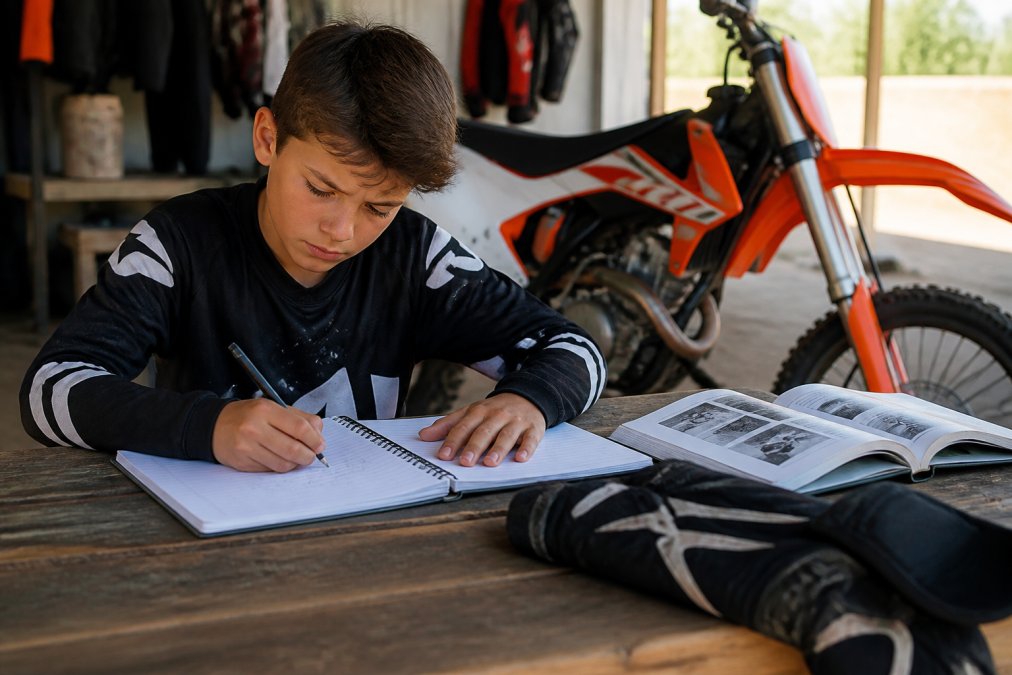
Motocross develops mental toughness and decision-making abilities that transfer beyond the track. Every rider faces fear, crashes, and competition pressure; overcoming these challenges builds genuine confidence. The sport teaches kids to set goals and work systematically toward them through consistent practice, mistake analysis, and technique refinement, a process that mirrors success in school and careers.
Track time builds physical fitness, coordination, and spatial awareness. Riders develop core strength, balance, and quick reaction times. The sport demands focus naturally; a distracted rider crashes. Beyond individual development, motocross connects kids to a community of peers and mentors, building self-esteem through lasting friendships.
Essential Motocross Safety Gear for Children
Safety gear is non-negotiable in motocross. A crash without proper protection can result in serious injury or death. Every piece serves a specific purpose.
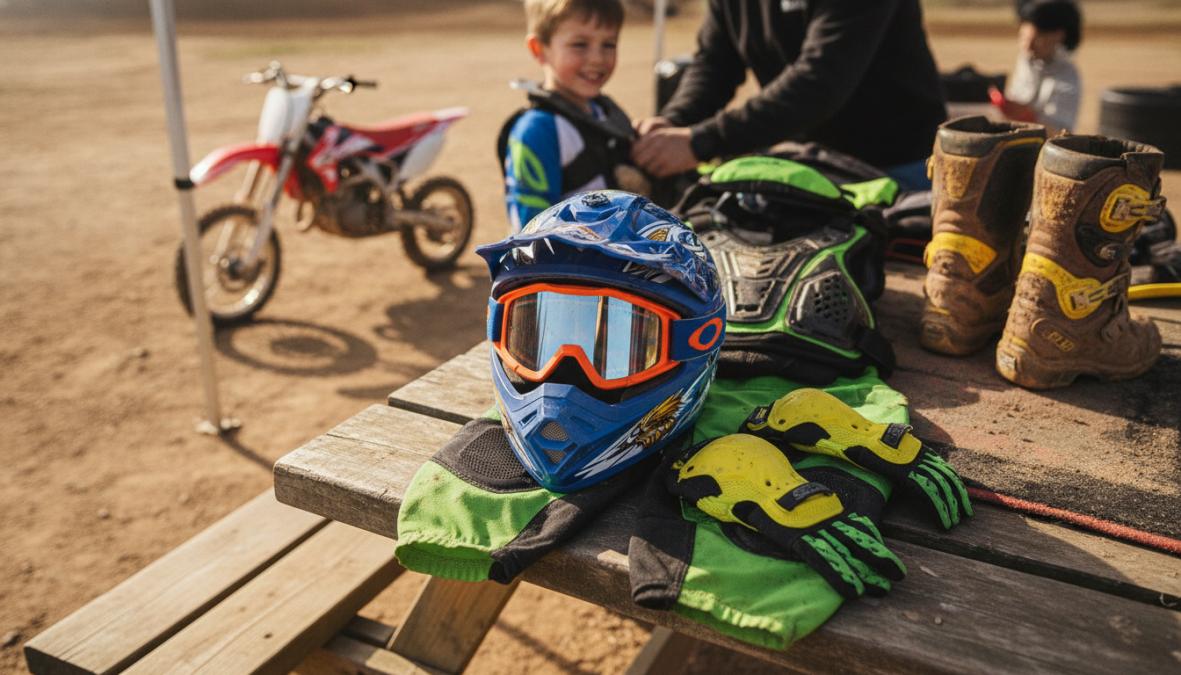
Helmet, Chest Protector, and Goggles
The helmet is the single most critical piece of equipment. A DOT or ECE-certified motocross helmet protects against head trauma, the leading cause of serious injury in the sport. Never buy a used helmet; impact damage is invisible and helmets degrade over time. Invest in one that fits properly and feels secure.
Goggles protect eyes from flying dirt, rocks, and debris. Motocross goggles fit over the helmet with shatterproof lenses. Clear lenses work for most conditions; amber or rose-tinted lenses improve contrast in low light.
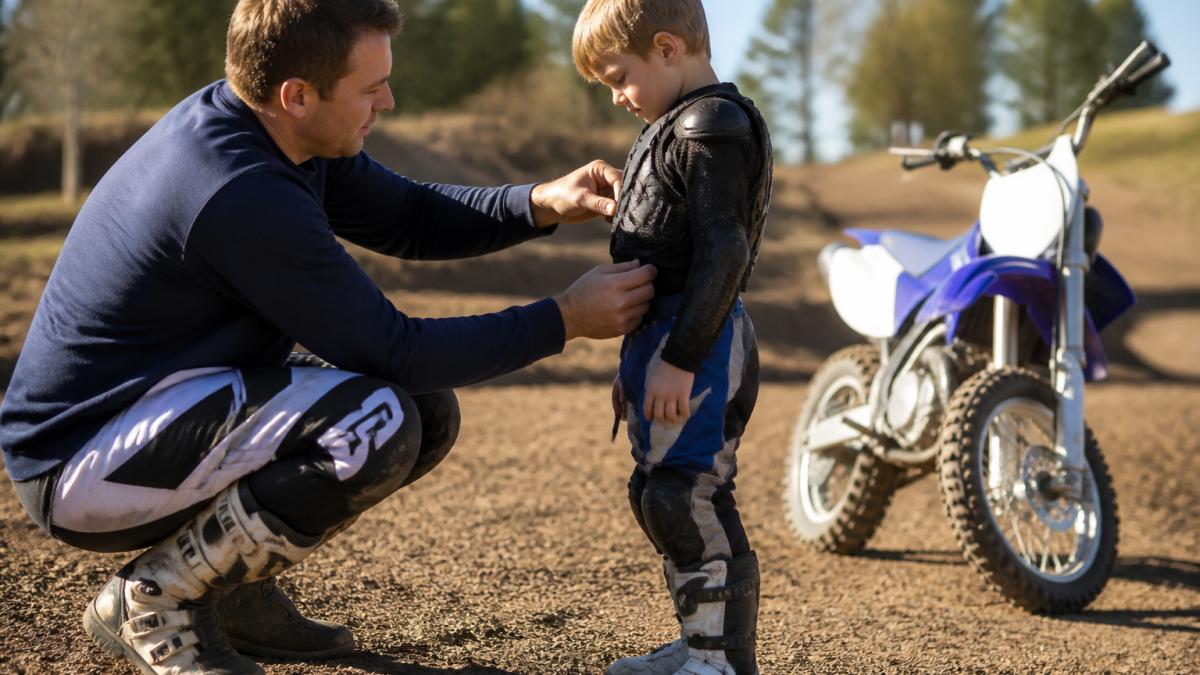
A chest protector shields ribs, collarbones, and sternum from impact. Youth chest protectors are lighter and less restrictive than adult versions while providing serious protection. Many include shoulder and back protection, ideal for young riders still developing bike control.
Boots, Gloves, and Protective Equipment
Motocross boots protect ankles and feet from twisting injuries and engine heat. Regular sneakers don't offer the same ankle support. Youth motocross boots should fit snugly without cutting off circulation.
Gloves protect hands from abrasion and provide grip on handlebars. Motocross gloves have reinforced palms and knuckle protection. Protective pants and jersey complete the setup, with padded motocross pants protecting hips and thighs.
| Gear Item | Purpose | Minimum Standard |
|---|---|---|
| Helmet | Head/brain protection | DOT or ECE certified |
| Goggles | Eye protection from debris | Shatterproof, motocross-specific |
| Chest Protector | Rib and torso protection | Impact-rated, youth-sized |
| Boots | Ankle and foot support | Motocross-specific, proper fit |
| Gloves | Hand protection and grip | Reinforced palms, knuckle padding |
| Jersey & Pants | Abrasion resistance | Motocross-specific design |
Choosing the Best Starter Dirt Bike for Kids
Selecting the right first dirt bike is critical. A bike that's too large or powerful frustrates kids and creates safety risks. A bike that's too small becomes outgrown quickly and limits skill development. The best starter bike matches your child's height, weight, and experience level.
New vs. Used Bikes: What Makes Sense
Used bikes cost significantly less than new ones, appealing to families uncertain about long-term commitment. However, used bikes come with hidden risks. A crashed or improperly maintained bike may have frame damage, worn suspension, or engine problems not obvious to untrained eyes. Repair costs can exceed the purchase price.
New bikes offer warranty coverage, known condition, and dealer support. For a first bike, the peace of mind and reliability often justify the additional cost. Consider your family's budget and commitment level honestly before deciding.
Bike Displacement and Two-Stroke vs. Four-Stroke
Dirt bikes are measured in cubic centimeters (cc), indicating engine displacement. A 50cc bike suits ages 4-6; a 110cc bike suits ages 7-10; a 150cc bike works for ages 10-14; and a 250cc bike is for teenagers and advanced young riders.
Two-stroke engines are lighter, simpler, and easier to maintain. They accelerate quickly and are forgiving of riding mistakes, making them ideal for beginners. However, they're louder and less fuel-efficient.
Four-stroke engines are heavier and more complex but provide smoother power delivery and better fuel efficiency. Many modern tracks prefer four-strokes because they're quieter and more environmentally friendly.
For a first bike, a 110cc four-stroke is often ideal. It's powerful enough to be fun but manageable for a beginner, and maintenance is straightforward enough for non-mechanic parents.
How to Teach a Child to Ride a Dirt Bike
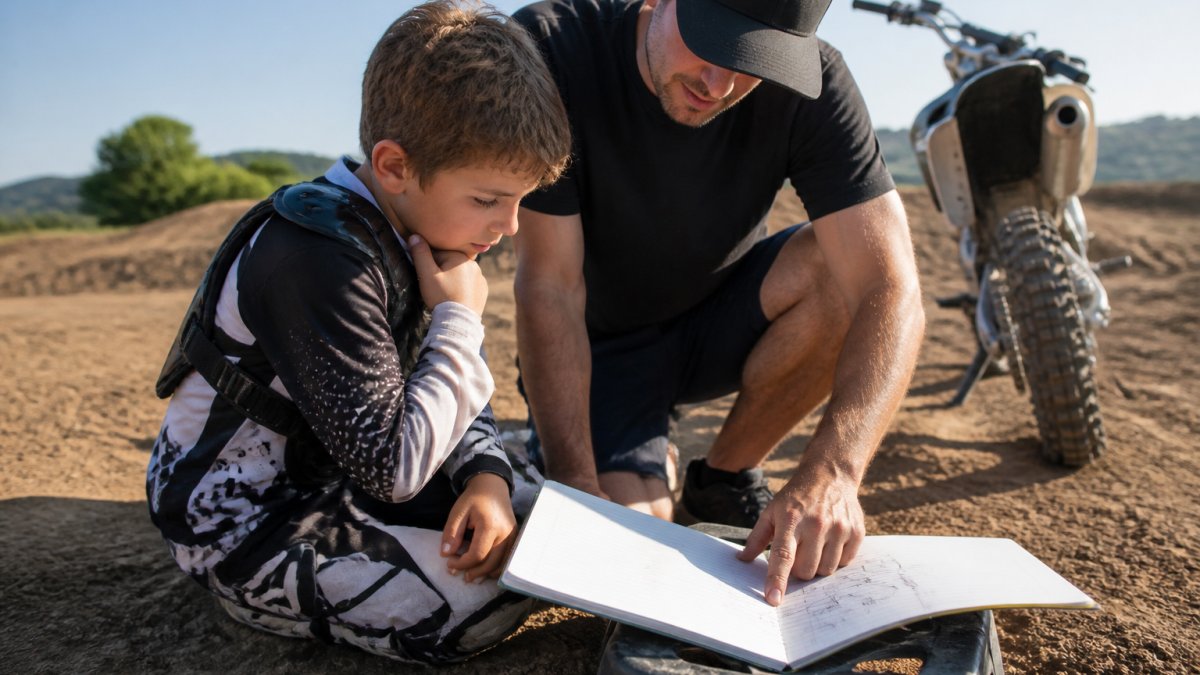
Teaching a child to ride requires patience, structured progression, and professional guidance. Bad habits formed early are incredibly hard to break, and poor technique limits speed and increases crash risk.
Finding a Riding School and Professional Training
A professional riding school provides structured progression impossible to replicate on your own. Instructors teach proper body position, throttle control, braking technique, and cornering fundamentals in a safe environment where kids can make mistakes without serious consequences.
Research local riding schools before committing. Ask about instructor qualifications, student-to-instructor ratios, and curriculum coverage. Most kids benefit from 4-8 weeks of professional instruction before attempting unsupervised riding.
According to American Motorcyclist Association youth safety guidelines, structured training reduces injury rates by nearly 40% compared to informal learning.
Practice vs. Competitive Racing: Building Skills Progressively
Most young riders need 6-12 months of regular practice before they're ready for competition. Practice builds muscle memory, confidence, and the ability to handle unexpected situations without racing pressure.
When your child is ready for racing, start with local club races rather than regional or national events. Club races have less pressure, smaller fields, and more forgiving competition. Competitive racing teaches kids to handle pressure and manage emotions, but shouldn't be rushed; premature racing creates anxiety and can kill the joy of riding.
Understanding the Cost of Youth Motocross
Motocross is expensive. Many families underestimate the total financial commitment, leading to frustration when unexpected costs arise.
First-Season Budget Breakdown
A complete first-season setup typically includes:
Initial Investment (one-time):
- Entry-level dirt bike
- Safety gear (helmet, chest protector, boots, gloves, jersey, pants)
- Basic tools and maintenance supplies
- Riding school or training
Ongoing Seasonal Costs:
- Track fees or membership
- Fuel and maintenance
- Replacement parts after crashes
- Riding gear replacement
- Entry fees for racing (if applicable)
- Travel and lodging
Many families spend between moderate and significant amounts in the first season. Plan for at least 10-15% of your bike's value annually for maintenance and repairs. Set aside a contingency fund for unexpected expenses.
Ongoing Maintenance for Non-Mechanic Parents
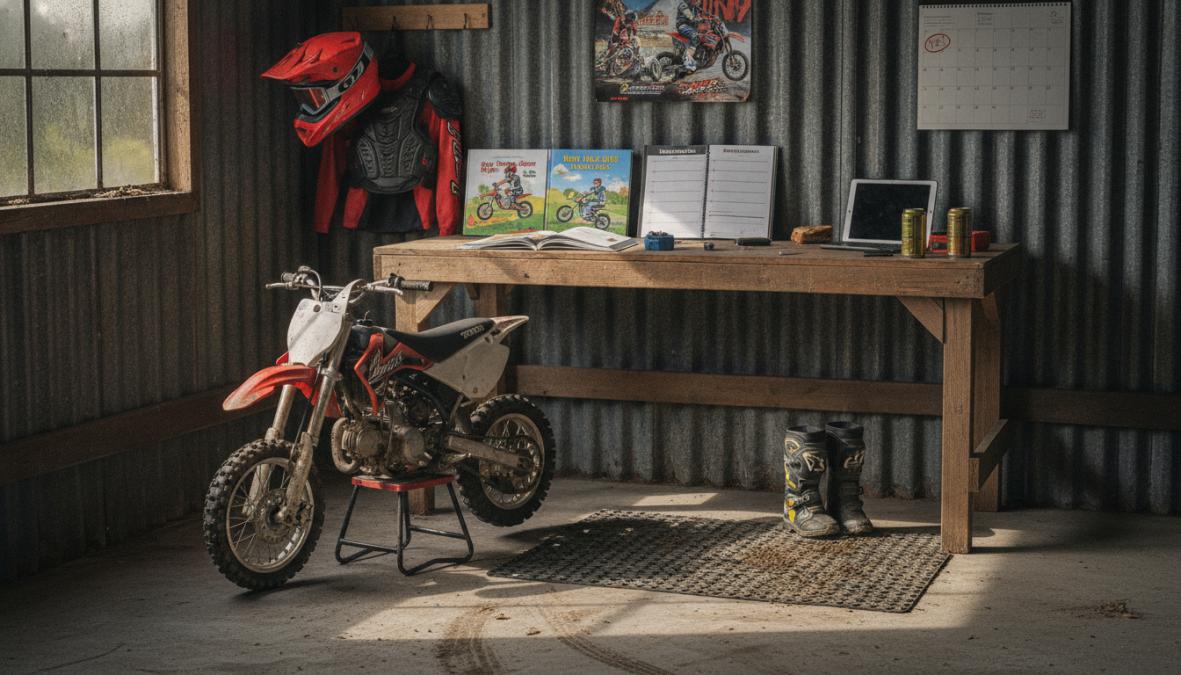
You don't need to be a mechanic to maintain a motocross bike. Essential maintenance tasks include changing engine oil every 5-10 hours of riding, replacing air filters regularly, checking and adjusting chain tension, inspecting tires, and cleaning the bike after each ride. YouTube videos and the bike's service manual guide you through these tasks. Your child can help with maintenance, teaching responsibility and mechanical understanding.
More complex repairs require professional service, but basic maintenance prevents most serious problems. A well-maintained bike runs reliably and costs far less to own than a neglected one.
The Parent's Role in Youth Racing Success
Parents shape their child's motocross experience more than any other factor. Your attitude, support, and involvement determine whether your child thrives or burns out.
Psychological Preparation and Race Day Support
Before race day, help your child visualize success and discuss what to do if they crash or feel scared. Mental preparation is as important as physical training.
On race day, manage your own emotions. Kids absorb parental anxiety. Focus on effort and learning instead of results. "Did you try your best?" and "What did you learn?" are better questions than "Why didn't you win?"
After the race, debrief calmly. If your child crashed, acknowledge their feelings but help them see it as a learning opportunity. Many kids quit motocross because parents push too hard or criticize performance. The best parent support is consistent encouragement, realistic expectations, and presence at events.
Navigating Licensing, Clubs, and Track Etiquette
Motocross has specific rules and organizational structures. Understanding them helps your family integrate into the community smoothly.
AMA Membership and Parental Consent Requirements
The American Motorcyclist Association (AMA) is the primary sanctioning body for motocross racing in the United States. Most organized races require AMA membership. According to AMA youth racing requirements, young riders need parental consent forms and sometimes notarized statements depending on age. Membership provides liability insurance and access to sanctioned events.
Parental consent requirements vary by state and event. Check specific track requirements before committing to an event.
Finding Your Local Motocross Track and Community
Locate motocross tracks near your home by searching online or asking at local motorcycle shops. Most tracks host practice nights, club races, and larger sanctioned events. Start with practice nights to let your child ride without racing pressure.
Track communities are generally welcoming to newcomers. Experienced riders often offer advice, and parents share tips about maintenance, gear, and training. Understand track etiquette before your first visit: riders should pass safely, respect faster riders' lines, and help injured riders immediately. Parents should supervise children, manage their own behavior, and respect track officials' authority.
Common Mistakes Parents Make When Getting Kids Into Motocross
Buying the wrong bike size. Parents think their child will "grow into it," but oversized bikes are dangerous and frustrating. A properly sized bike lets your child focus on technique.
Skipping professional training. Teaching your child yourself might save money short-term, but poor technique creates problems that last years.
Pushing racing before readiness. Kids who race before they're confident often develop anxiety and quit the sport.
Neglecting bike maintenance. A poorly maintained bike breaks down constantly, creates safety risks, and wastes money.
Focusing only on results. Kids who feel pressure to win often burn out. Progress and love for the sport should come first.
Underestimating costs and commitment. Plan realistically from the start and adjust expectations if needed.
Ignoring safety gear. Never compromise on safety. A single serious injury costs far more than quality gear.
Getting kids into motocross is an investment in their confidence, discipline, and community. The process requires planning, patience, and realistic expectations, but families who approach it thoughtfully create experiences and memories that last a lifetime. Start with professional instruction, invest in quality safety gear, and focus on progress over perfection. Your child's motocross journey will teach lessons that extend far beyond the track.
Frequently Asked Questions
What is the best age to start a child in motocross?
Children can begin learning dirt bike basics as early as 4-6 years old with proper supervision and age-appropriate equipment. Most kids start formal motocross training between ages 7-10, when they have better coordination and strength. Starting young helps build confidence and foundational riding technique, but every child develops differently. Begin with practice sessions at a local riding school before considering competitive racing.
How much does it cost to get a child into motocross during their first season?
First-season costs vary based on whether you buy new or used equipment and your local track fees. Budget considerations include the dirt bike itself, protective equipment (helmet, chest protector, boots, goggles, gloves), track membership or day passes, fuel, and initial maintenance. For detailed pricing on Nelmgerian MX products and services, visit our website or contact us for a personalized quote based on your needs.
What gear does a child absolutely need for motocross?
Essential protective equipment includes a DOT-approved helmet, goggles, chest protector, gloves, boots, and long pants. These items protect against injuries on the track. A quality helmet is non-negotiable, it's your child's most critical piece of safety gear. Boots protect ankles during riding, and a chest protector shields vital organs. Proper motocross safety gear for children isn't optional; it's the foundation of safe track time.
Do kids need professional training before riding motocross competitively?
Yes, professional training is highly recommended before competitive racing. A qualified riding school or coach teaches proper technique, track safety, and bike control, skills that prevent injuries and accelerate progress. Many young riders benefit from structured training drills and coaching that build confidence before race day. Even if your child learns to ride informally, professional instruction ensures they understand track etiquette and racing fundamentals needed for success in youth racing classes.
This article was written using GrandRanker