 how-to
How to Keep Kids Interested in Motocross: 2026 Guide
Table of Contents
- Why Kids Lose Interest in Motocross
- Start With the Right Equipment and Safety Gear
- Fun Motocross Drills for Children That Build Skills
- How to Build Confidence on a Dirt Bike
- Preventing Motocross Burnout Before It Starts
- Track Days, Local Clubs, and Keeping Seat Time Fun
- Use Motocross Training Journals for Kids to Track Progress
- Conclusion
- Frequently Asked Questions
Last Updated: September 6, 2026
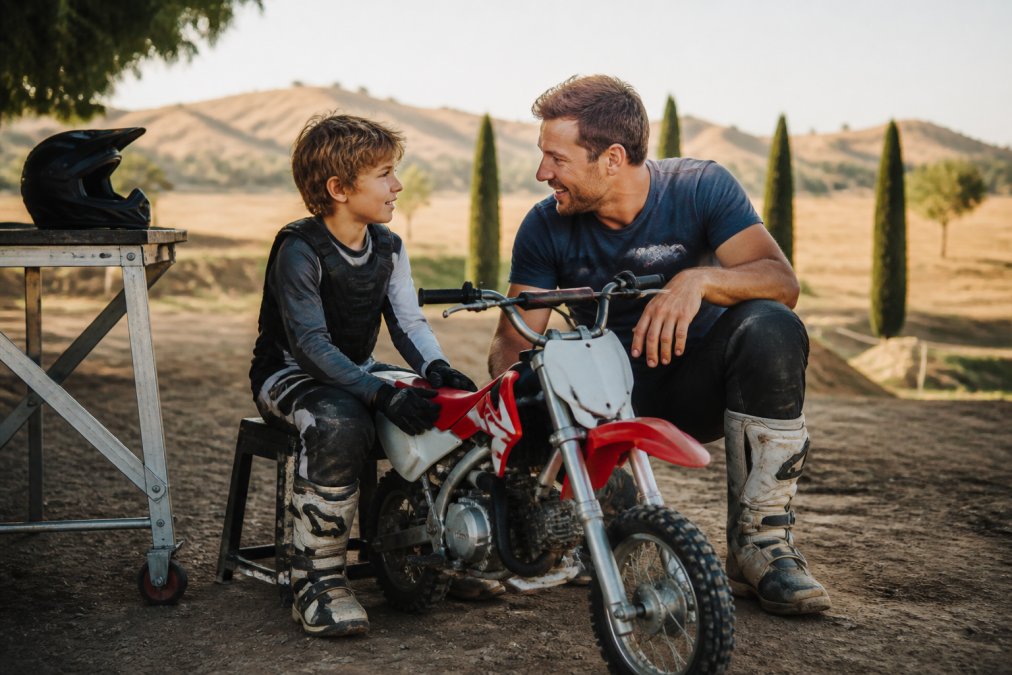
Motocross is one of the most thrilling sports a child can try, yet many young riders lose interest within their first season. The gap between a child who loves dirt bikes and one who actually stays engaged with the sport often comes down to how parents structure practice, play, and progression. Keeping kids interested in motocross requires shifting from a performance mindset to a fun-first approach that prioritizes seat time, skill building, and genuine enjoyment over race results. In this guide from Nelmgerian MX, we break down practical strategies that motocross families use to sustain enthusiasm for years, not just months.
The biggest mistake parents make is treating practice like boot camp. Young children, particularly those between ages 3 and 9, need variety, short sessions, and clear wins to stay motivated. A 20-minute drill session with a reward at the end will always beat a 90-minute grind that leaves a child frustrated. Below, we'll show you exactly how to structure riding time, choose the right equipment, and build the confidence that turns a casual hobby into a lifelong passion.
Why Kids Lose Interest in Motocross
Kids lose interest in motocross for predictable reasons: pressure to perform, repetitive drills, physical fatigue, and a lack of visible progress. When a child feels they're disappointing a parent or coach, the sport stops being fun and becomes a chore. This psychological shift is the number one driver of burnout in youth racing.
Another common culprit is mismatched expectations. A 5-year-old on a 50cc bike has different physical and cognitive limits than a 9-year-old, yet many parents apply the same training structure to both. Attention spans at these ages are short, often 10 to 15 minutes for focused skill work (the CDC). Pushing beyond that window without breaks leads to frustration for everyone involved.
The fix starts with observation. Watch your child during practice and note when they disengage. Are they tired? Bored? Anxious about a specific obstacle? Addressing the root cause rather than forcing more practice preserves the joy that brought them to the sport in the first place.
Start With the Right Equipment and Safety Gear
Proper equipment does more than protect your child; it directly affects how much they enjoy riding. Ill-fitting helmets, stiff boots, or a bike that's too tall creates discomfort that children translate into "I don't want to ride today." Getting the fit right from day one removes a major barrier to keeping kids interested in motocross.
The essential gear checklist for young riders:
- Helmet with DOT or Snell certification, sized to fit snugly without pressure points
- Goggles with tear-offs and a clear lens for visibility
- Chest protector and roost guard for torso protection
- Knee and elbow guards that allow full range of motion
- Riding boots that support the ankle but let the child walk comfortably
- Gloves with palm padding for grip and blister prevention
- Neck brace appropriate for the child's size and bike type
A beginner bike should be sized so your child can touch the ground with both feet while seated. For most 3-to-6-year-olds, that means a 50cc four-stroke with an automatic clutch. The American Academy of Pediatrics guidance on youth motorcycle safety emphasizes that proper fit and supervision are foundational for safe skill development.
Fun Motocross Drills for Children That Build Skills
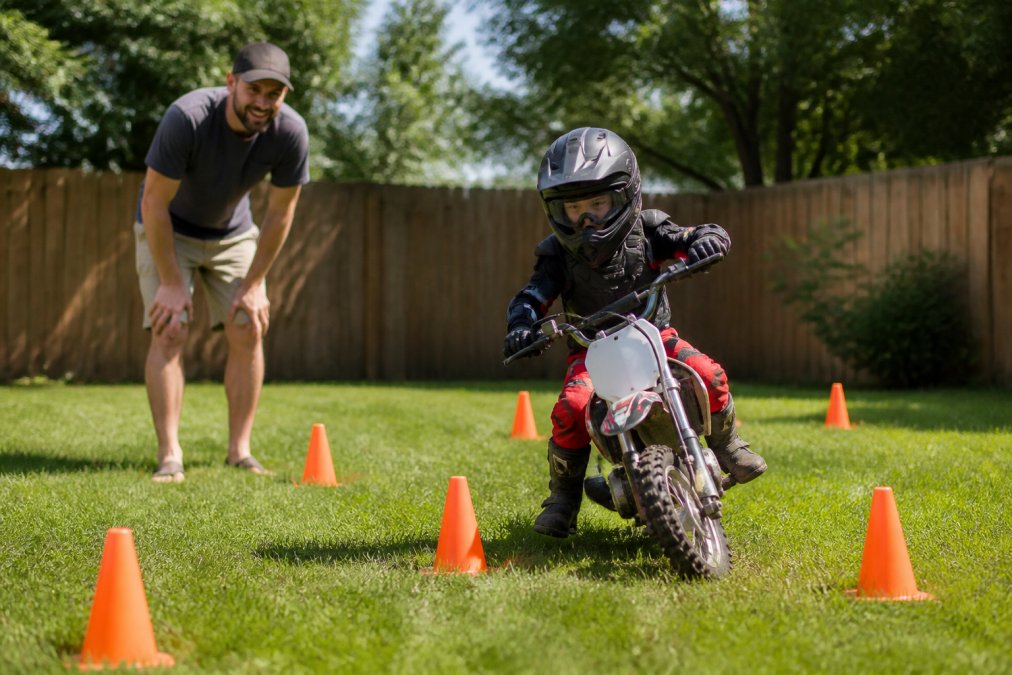
Skill development doesn't require a professional track or expensive equipment. The best motocross drills for kids happen in the backyard or a grassy field, using cones, chalk lines, and simple obstacles that turn practice into a game. These drills build the muscle memory that transfers directly to the track.
Five drills that keep practice fun:
- Cone weave: Set up 5 to 7 cones spaced 10 feet apart. Have your child weave through them at low speed, focusing on looking ahead and smooth throttle control. Time each run and celebrate personal bests.
- The figure eight: Use two cones or buckets to create a figure-eight path. This drill teaches body position, balance, and clutch control without the intimidation of a track.
- Braking box: Mark a straight line with chalk, then place a marker at the end. Have your child accelerate to second gear, then brake hard to stop with the front wheel just before the line. This builds critical braking confidence.
- Slow race: The last rider to cross the finish line wins. This drill forces clutch control and balance at low speeds, which are the hardest skills for young riders to master.
- Follow the leader: Ride ahead of your child on a smaller bike or push bike, weaving and turning while they mimic your path. This builds observation skills and makes practice feel like play.
Keep each drill session under 30 minutes total, with water breaks and plenty of encouragement. The goal is to end practice while your child still wants more, not when they're exhausted and frustrated.
How to Build Confidence on a Dirt Bike
Confidence on a dirt bike comes from mastery of small, achievable goals, not from being pushed into situations that trigger fear. The process of building confidence on a dirt bike mirrors the psychological principle of scaffolding: you support the child at their current skill level, then gradually remove that support as they succeed.
Start each session with skills your child has already mastered. This warms them up and reinforces a sense of competence. Then introduce one new challenge, such as a slightly larger jump or a tighter corner, and practice it until it feels routine. End with a review of everything they accomplished that day.
A common mistake is comparing your child's progress to other kids at the track. Every rider develops at their own pace, and research on youth sports psychology and confidence building shows that self-referenced progress is far more motivating than peer comparison. Celebrate improvement over last week, not over the kid in the next pit.
Preventing Motocross Burnout Before It Starts
Motocross burnout in children rarely appears suddenly. It builds through missed cues: a child who used to beg for practice starts making excuses, a rider who loved race day now complains of stomachaches, a young athlete who was eager to learn stops asking questions. Recognizing these early signs allows parents to intervene before the sport becomes a source of resentment.
Preventing motocross burnout requires deliberate balance:
- Limit race days to 1 or 2 per month during the season rather than every weekend
- Schedule at least one full week off the bike every 6 to 8 weeks
- Mix track days with trail riding, pit bike play, or even bicycle rides to keep variety
- Make rest and recovery as important as practice, especially for growing bodies
- Ask your child what they enjoy most about riding and double down on that element
The psychological transition from hobby to racing is where many young riders get lost. When racing becomes the sole focus, the freedom and fun of riding disappear. Parents who preserve space for unstructured riding, where the child simply explores and plays on the bike, maintain the intrinsic motivation that sustains long-term participation.
Off-bike training also plays a role in preventing burnout. Light strength exercises, balance work, and stretching keep young bodies resilient and reduce the physical fatigue that contributes to disengagement. These activities also give a child a sense of progress even during breaks from the bike.
Track Days, Local Clubs, and Keeping Seat Time Fun
Seat time is the single most important factor in motocross skill development, but more hours on the bike only help if those hours are enjoyable. The most effective way to keep seat time fun is to join a local club or frequent a track where your child rides with peers of similar ability.
Local clubs offer structured practice days, mentorship from experienced riders, and a social environment that makes motocross feel like a community rather than an individual grind. Many clubs also run youth-specific programs that emphasize skill progression over competition, which is ideal for younger riders. Finding a local track or club often starts with a quick search for motocross associations in your state, or by asking at your local motorcycle dealership.
Track etiquette matters too. Teaching your child to respect other riders, follow flags, and take turns on the track builds sportsmanship and makes them welcome in the riding community. These social skills are as important as throttle control for long-term enjoyment.
A simple weekly rhythm that keeps seat time fresh:
| Activity | Frequency | Duration | Purpose |
|---|---|---|---|
| Backyard drills | 2-3 times per week | 20-30 min | Skill building and fun |
| Track day or club practice | 1 time per week | 2-3 hours | Social riding and new challenges |
| Free ride / exploration | 1 time per week | 30-60 min | Unstructured fun and independence |
| Off-bike training | 2 times per week | 15-20 min | Fitness and injury prevention |
| Full rest | 1 day per week | - | Physical and mental recovery |
Use Motocross Training Journals for Kids to Track Progress
Children stay motivated when they can see their own improvement, and a motocross training journal is one of the most effective tools for making progress visible. A journal turns abstract practice into concrete achievements, giving young riders a sense of ownership over their development. This is where a dedicated journal for kids differs from a parent's notebook: it's designed for the child to use themselves, with prompts and spaces that match their reading and writing level.
A good training journal includes sections for practice dates, skills worked on, goals for the next session, and a space for the child to rate how they felt. Some families use stickers or drawings for younger riders who aren't writing yet. The act of recording progress reinforces the connection between effort and improvement, a lesson that extends far beyond motocross.
The Nelmgerian MX Training Journal is built specifically for young riders, with prompts that encourage goal setting, reflection, and celebration of achievements. Pair it with storybooks like Ryder and Wheelie's Big Ride or Ryder's First Motocross Race to keep the motocross spirit alive on days when the bike stays in the garage. These screen-free resources help children stay connected to the sport between practice sessions and build the discipline and confidence that racing demands.
Conclusion
Keeping a child interested in motocross is less about pushing harder and more about creating an environment where the sport remains fun, social, and rewarding. Prioritize proper equipment, keep practice sessions short and varied, build confidence through achievable goals, and watch for the early signs of burnout before they take hold. The strategies in this guide work together to sustain enthusiasm through the inevitable ups and downs of learning to ride.
At Nelmgerian MX, we believe the next generation of riders deserves resources that match their passion. Our training journals, storybooks, and activity books are designed to keep young riders engaged and learning even when they're not on the bike, building the confidence, discipline, and perseverance that lead to success on and off the track. Get started with Nelmgerian MX and give your young rider the tools to thrive in the sport they love.
Frequently Asked Questions
What age should kids start motocross?
Most kids start riding between ages 3 and 6 on small 50cc bikes with training wheels. At this age, the focus should be on balance, throttle control, and having fun, not competition. Every child develops at their own pace, so watch for genuine interest and physical readiness. Starting too early with pressure can create resistance. Keep sessions short, celebrate small wins, and let your child's enthusiasm guide how fast you progress.
How do I prevent burnout in young motocross riders?
Preventing motocross burnout starts with keeping the sport fun and low pressure. Mix practice with play, celebrate effort over results, and let your child set their own goals. Watch for signs like reluctance to ride, loss of excitement before practice, or complaints about the bike. Take breaks when needed, cross-train with other activities, and use tools like motocross training journals for kids to keep progress visible and motivating without making it feel like homework.
How can I make motocross practice more fun for kids?
Turn practice into a game. Set up fun motocross drills for children like follow-the-leader, cone weaving, or slow-race challenges that build clutch control and balance without feeling repetitive. Add variety to the routine, invite a friend to ride along, and always end on a positive note. Track achievements with stickers or a training journal so kids see their progress. Short, playful sessions beat long, grind-heavy practices every time.
How do I build my child's confidence on a dirt bike?
How to build confidence on a dirt bike comes down to small, achievable goals and consistent praise. Break new skills into tiny steps and celebrate each one, whether that's a smoother corner or a faster lap. Avoid comparing your child to other riders. Let them ride at their own pace, and step in only when safety requires it. Reading stories about young riders overcoming challenges can also reinforce a confident mindset off the bike.