 how-to
How to Prepare for Your First Dirt Bike Race
Table of Contents
- Understanding How Motocross Racing Works
- Choosing the Right Beginner Dirt Bike and Class
- What Gear Do You Need for Motocross
- Essential Motocross Practice Drills Before Race Day
- Building Your Motocross Race Day Checklist
- Bike Inspection and Mechanical Preparation
- Race Registration, Class Selection, and Budget Planning
- Mental Preparation and Race-Day Focus
- Frequently Asked Questions
Last Updated: October 13, 2026
Understanding How Motocross Racing Works
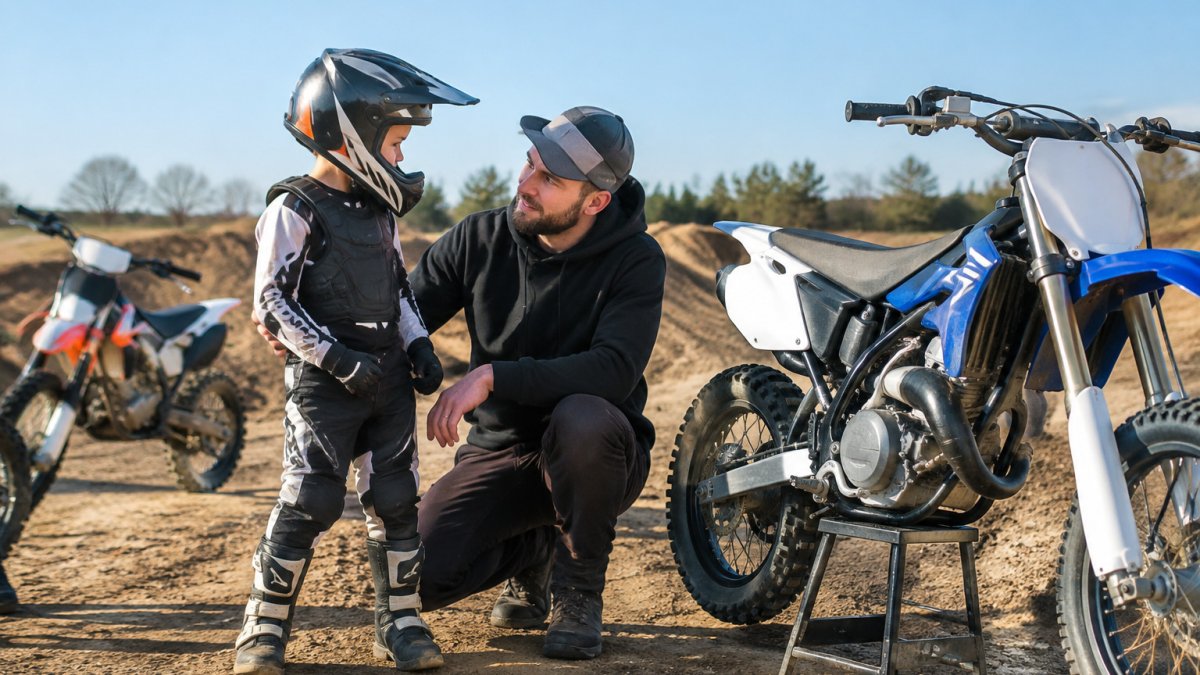
Motocross racing is a competitive sport where riders race dirt bikes on off-road tracks. The sport combines speed, skill, and strategy on unprepared terrain. Nelmgerian MX helps young riders and their families understand what makes motocross so thrilling and how to prepare for that first race experience.
A typical motocross race happens in "motos." Each moto is a separate race, usually lasting 15 to 20 minutes plus two laps. Riders compete in classes based on age, experience, and bike size. The track changes constantly throughout the day as riders churn up the dirt, creating new ruts and obstacles.
Here's what happens during a race day:
- Riders arrive early for registration and practice sessions
- Practice time lets you learn the track layout and feel the conditions
- Races run in multiple classes throughout the day
- Each rider competes in one or more motos in their class
- Points are awarded based on finishing position
- The rider with the best combined score wins
Track conditions matter more than you might think. Deep sand slows you down. Hard-packed dirt offers better grip. Wet conditions create mud. Learning to read the track and adjust your line choice is what separates fast riders from slow ones.
Choosing the Right Beginner Dirt Bike and Class
Your first dirt bike race depends on having the right machine. A beginner dirt bike that fits your size and strength makes learning easier and faster. Too big, and you'll struggle with control. Too small, and you won't grow into it.
For young riders, common beginner bikes include 50cc, 65cc, and 85cc models. A 50cc bike suits riders ages 4 to 7. A 65cc works for ages 7 to 11. An 85cc fits older kids and smaller teens. The engine size isn't just about power, it's about how quickly the bike responds and how much effort you need to control it.
When choosing your first motocross race class, match it to your experience level:
- Beginner class: For riders with minimal track time. Focuses on learning basics.
- Novice class: For riders with some practice but no race wins. Good stepping stone.
- Intermediate class: For riders with race experience and solid skills.
Don't jump into a class above your skill level. You'll finish last, feel discouraged, and risk injury. Pick the class where you're the fastest rider, not the slowest. That's where learning happens fastest.
Talk to riders at your local motocross club about which bikes hold their value and which classes have the most entries.
What Gear Do You Need for Motocross
Protective gear is non-negotiable for motocross. A single crash without proper protection can cause serious injury. Every rider needs the same core pieces before stepping on the track.
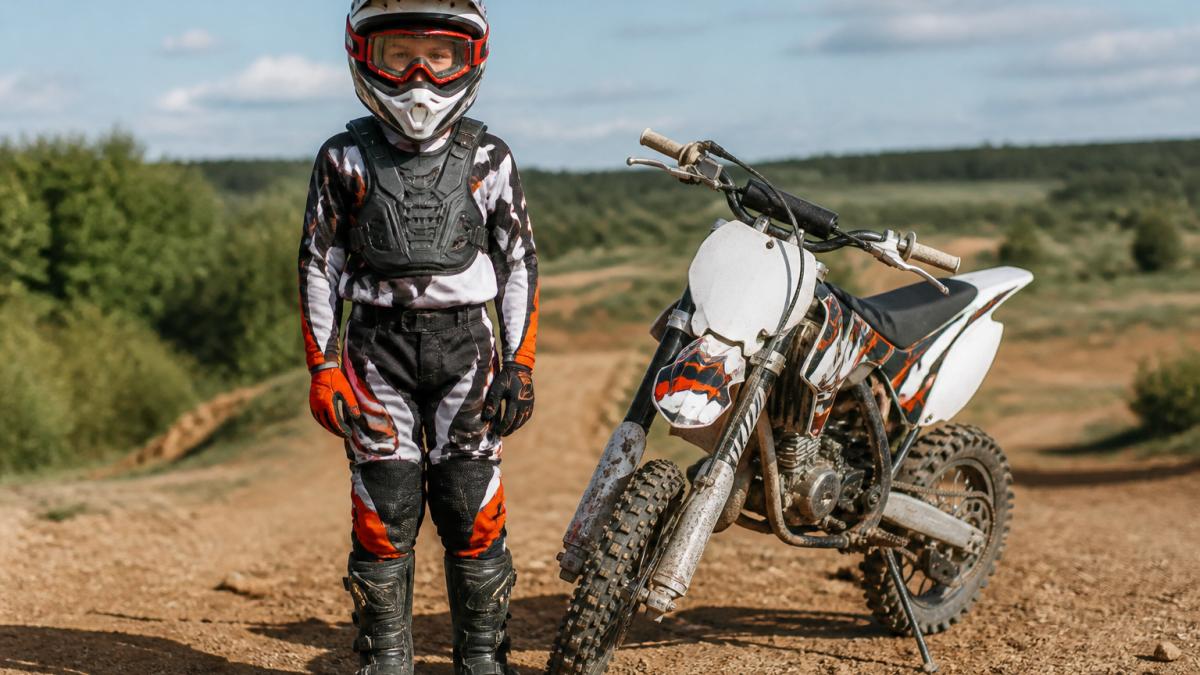
Your gear checklist includes:
- Helmet: DOT or Snell certified. Full-face protects your jaw and chin.
- Goggles: Clear or tinted lenses. Keeps dirt and roost out of your eyes.
- Gloves: Padded palms. Protects hands during crashes and blisters during long motos.
- Jersey and pants: Lightweight, breathable. Made for motocross, not street clothes.
- Boots: Ankle support and reinforced toe box. Prevents ankle rolls and foot injuries.
- Body armor: Chest protector and shoulder pads. Absorbs impact on hard crashes.
- Neck brace: Optional but recommended. Reduces neck strain and whiplash risk.
Don't cheap out on helmets or body protection. These are the pieces that prevent serious injury.
Gear breaks in over time. New boots feel stiff. New gloves feel thick. Wear your gear during practice rides before race day so you're comfortable in it.
Essential Motocross Practice Drills Before Race Day
Practice is where you build confidence and speed. Random riding doesn't prepare you for a motocross race. Structured drills teach you specific skills you'll need on race day.
Start with line choice drills. Pick a section of the practice area and ride it the same way ten times in a row. Focus on taking the fastest line, not the easiest one. The fastest line often goes wider into corners and cuts closer to obstacles. Hold your line even when the track gets rough.
Next, work on throttle control. Many beginner riders either pin the gas or chop it. Practice smooth acceleration and deceleration. Twist the throttle gradually. Brake smoothly. Jerky inputs make the bike unstable and tire you out faster.
Practice standing up on the pegs. Sitting down works for smooth sections. Standing gives you better control on rough terrain and helps you absorb bumps. Spend time getting comfortable standing, especially on whoops and jumps.
Do gate starts. Set up a mock starting gate and practice launching hard from a standstill. The first 50 feet of a race set your position for the whole moto. A slow start puts you behind riders you could beat. Mastering these initial bursts of speed ensures you remain competitive, just as proper packing for a race helps maintain your focus and organization throughout the entire event.
Build your fitness too. Motocross is physically demanding. Ride for 15 minutes straight without stopping. That's close to a moto length.
Building Your Motocross Race Day Checklist
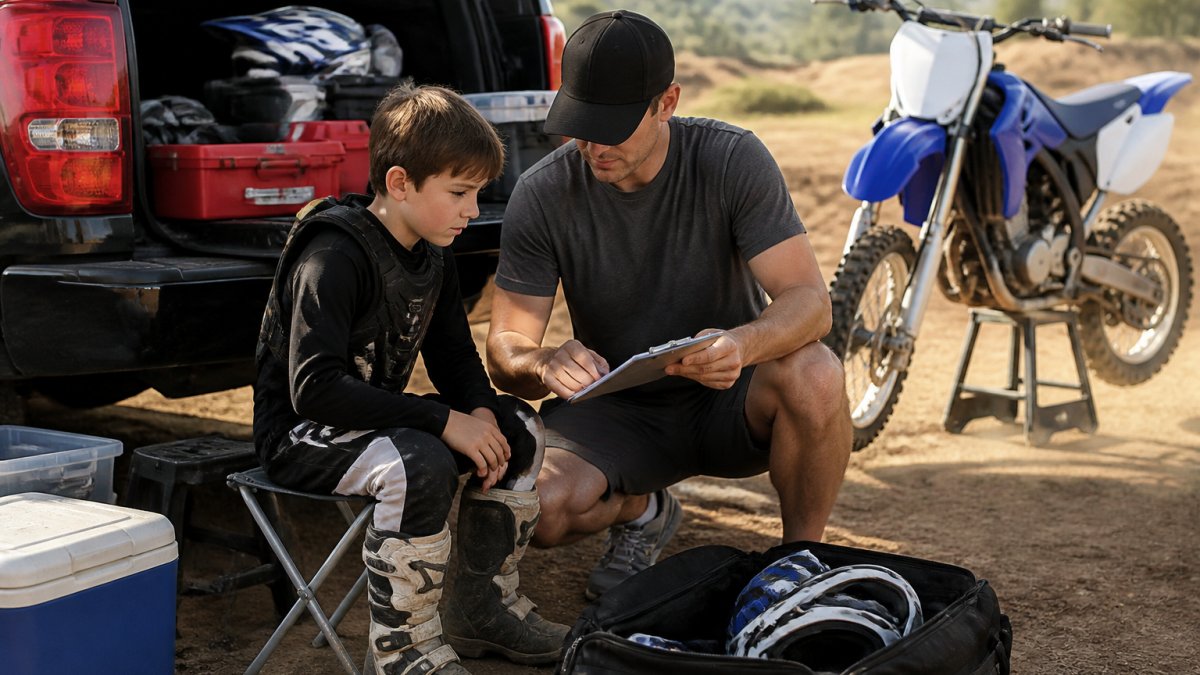
A race day checklist keeps you from forgetting critical items. The night before, print this list and check off each item as you pack.
Bike and Tools:
- Dirt bike fueled and fluid levels checked
- Tires at proper pressure
- Chain clean and lubricated
- Brakes working smoothly
- Bolts tight (handlebars, seat, fenders)
- Spare spark plug in your toolbox
- Basic tools (wrench set, screwdrivers, pliers)
- Extra chain and master link
- Motor oil and coolant
Protective Gear:
- Helmet (checked for cracks)
- Goggles (clean lenses)
- Gloves
- Jersey and pants
- Boots
- Body armor
- Neck brace (if using one)
Personal Items:
- Water bottle or hydration pack
- Snacks (energy bars, fruit)
- Sunscreen and lip balm
- Small first aid kit
- Phone and emergency contact info
- Cash for entry fees and parking
Race Documents:
- Registration paperwork
- Proof of age or birth certificate
- Insurance card
- Emergency contact form
Print multiple copies of this checklist. Use one for packing. Use another at the track to verify everything made it.
Bike Inspection and Mechanical Preparation
Your dirt bike must be mechanically sound before race day. A mechanical failure mid-race costs you points and could cause injury. Spend time inspecting and maintaining every major system.
Start with the brakes. Squeeze each brake lever hard. They should feel firm, not spongy. Spongy brakes mean air in the lines or worn pads.
Ryder's First Motocross Race →
Check your tires for proper pressure and tread wear. Bald tires slip on the track. Underinflated tires overheat and can puncture. Overinflated tires bounce and lose traction.
Inspect the chain for rust, kinks, or stiff links. A kinked chain will break during a race.
Test the clutch and throttle. The throttle should snap back to idle when you release it. The clutch should engage and disengage smoothly. Sticky controls cause crashes.
Check all bolts and fasteners. Ride around the track for five minutes, then stop and tighten everything. Vibration loosens bolts.
Inspect the air filter. A dirty air filter reduces engine performance.
Change the oil if your bike is due. Fresh oil keeps the engine running cool and smooth.
Race Registration, Class Selection, and Budget Planning
Most motocross tracks require online registration before race day. Visit the track's website and fill out your entry form. You'll choose your class, moto number, and pay the entry fee.
Class selection matters. Choose the beginner class if this is your first race. You'll compete against other first-timers. The competition is fair and the pressure is lower. Winning your first race builds confidence.
Entry fees vary by track and class. Budget for multiple costs:
- Track entry fee
- Fuel for your truck or trailer
- Food and drinks at the track
- Replacement parts (spark plugs, air filters)
- Gear replacement as it wears out
Some tracks offer practice sessions on the day before the race. Practice sessions cost extra but let you learn the track without race pressure.
Arrive at the track early on race day. Registration usually closes 30 minutes before races start. Early arrival gives you time to walk the track, warm up, and settle your nerves.
Mental Preparation and Race-Day Focus
Your mindset on race day affects your performance. Mental preparation starts days before you arrive at the track.
Visualize your race. Close your eyes and imagine yourself riding the track smoothly. See yourself making good line choices. Feel yourself staying calm when other riders pass you. Visualization builds confidence and programs your muscle memory.
Set realistic goals for your first race. "Win the whole thing" is not realistic. Better goals: "Finish all my motos," "stay on the bike," or "beat three riders I know." Achievable goals keep you focused and motivated.
The night before, get good sleep. A tired rider makes mistakes and crashes more often.
On race day morning, eat a good breakfast. Low blood sugar makes you shaky and unfocused.
Arrive at the track with time to spare. Rushed riders make mistakes. Walk the track on foot before you ride it. Look for ruts, obstacles, and good line choices. Watch other riders in your class. Learn from what they do.
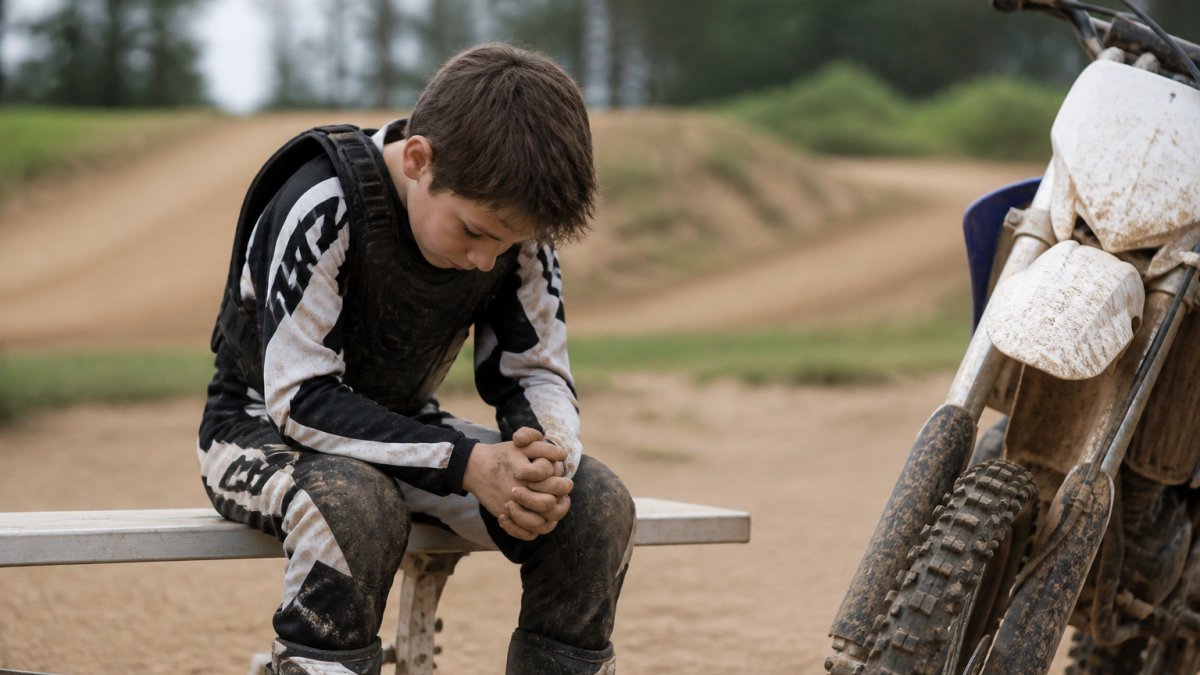
Before your first moto, take deep breaths. Slow breathing calms your nervous system.
During the race, focus on one thing at a time. Don't think about the whole moto. Think about the next corner. Make a good line choice. Then move to the next obstacle. Breaking the race into small pieces keeps you from getting overwhelmed.
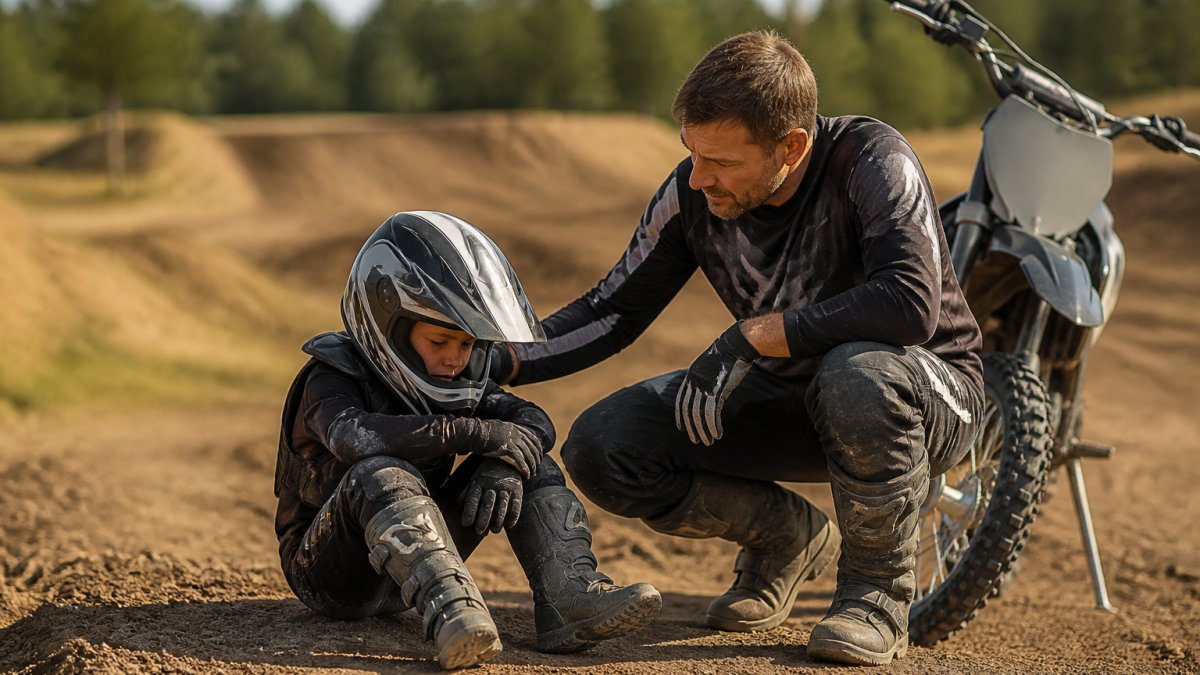
After your race, whether you won or crashed, take time to reflect. What went well? What would you do differently next time? This reflection turns race day into a learning experience. Resources like the Nelmgerian MX Training Journal help you track your progress and build on each race experience.
Your first dirt bike race is the start of something bigger. You're learning discipline, courage, and how to handle pressure. The skills you build on the track carry into school, work, and life. Prepare well, stay focused, and trust your training.
Getting ready for your first dirt bike race takes planning, practice, and the right mindset. You need a reliable bike, proper protective gear, and structured practice drills. You need to inspect your bike carefully and arrive at the track with everything you need. Most importantly, you need mental clarity and realistic goals. Nelmgerian MX has created resources like Ryder's First Motocross Race to help young riders build confidence and understand what to expect on race day. Start your preparation today, stay committed to practice, and you'll be ready to line up at that starting gate.
Frequently Asked Questions
What should I bring to a dirt bike race?
Bring your helmet, goggles, gloves, boots, and all body protection gear. Pack extra socks, a change of clothes, sunscreen, water, snacks, and a first-aid kit. Bring your bike tools, spare parts (chain, oil, air filter), and a toolkit. Don't forget your AMA membership card or race registration documentation, a notebook to track your performance, and any medications or personal items you need. A cooler with drinks and a comfortable chair for downtime between motos are also helpful.
How do I find and enter my first dirt bike race?
Search for local motocross tracks and racing clubs in your area. Contact tracks directly to ask about beginner classes and entry fees. Register online or at the track on race day, typically 1-2 hours before your class runs.
How should I practice before my first dirt bike race?
Practice on varied terrain to build confidence: work on body positioning, throttle control, and line choice in different track conditions like deep sand and prepared dirt. Use motocross practice drills such as figure-eights, acceleration drills, and braking exercises. Ride the actual track layout if possible before race day to learn the lines and rhythm sections. Practice starting from a gate if available.
What are the costs involved in entering a dirt bike race?
Race entry fees vary depending on the track and class. Fuel, trailer transport, and meals add to the day's expenses. Budget for protective gear if you don't have it yet. Many families find that tracking expenses with a training journal helps plan the season's racing budget.