 ultimate-guide
Learn to Ride Dirt Bikes: A Beginner's Step-by-Step Guide
Table of Contents
- Learn to Ride Dirt Bikes: Understanding the Basics
- Essential Dirt Bike Safety Gear Every Beginner Needs
- How Long Does It Take to Learn to Ride a Dirt Bike?
- Dirt Bike Riding Tips for Beginners: Master the Fundamentals
- How to Shift Gears on a Dirt Bike: A Step-by-Step Process
- Buying vs. Renting Your First Dirt Bike
- Getting Professional Coaching: Why Hands-On Training Matters
- DIY Maintenance for Beginner Riders
- Frequently Asked Questions
Last Updated: July 1, 2026
Learn to Ride Dirt Bikes: Understanding the Basics
Learning to ride dirt bikes starts with mastering three core pillars: body positioning, throttle control, and balance. Get these right, and everything else becomes manageable. Most beginners focus on speed before developing proper muscle memory for these basics, that's backwards. Speed comes naturally once your body knows what to do.
What You'll Need Before You Start
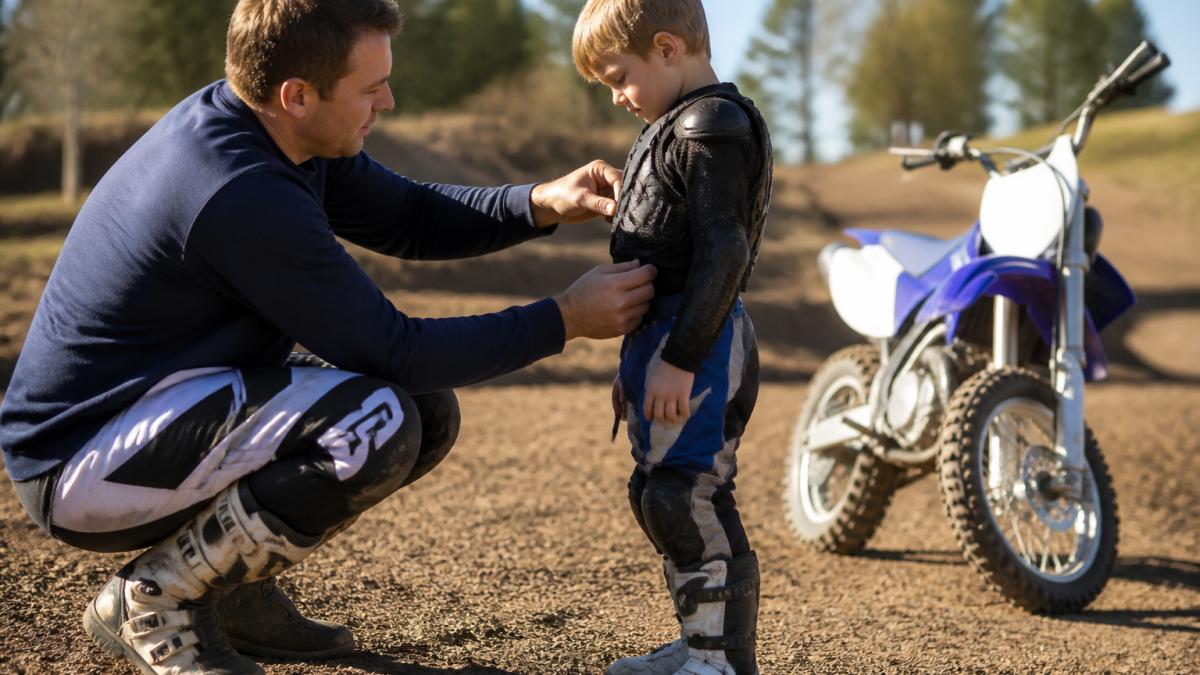
Before your first ride, gather protective gear: helmet, goggles, gloves, jersey, pants, boots, and chest protector. You'll also need access to a closed course for safe practice. Many riders rent bikes initially rather than buy.
Physical conditioning matters more than most guides admit. Dirt biking demands core strength, grip strength, and cardiovascular endurance. Your forearms will fatigue quickly without training, and your core stabilizes you during turns and jumps. Start with basic fitness work before your first lesson.
Essential Dirt Bike Safety Gear Every Beginner Needs
Protective equipment isn't optional, it's the difference between walking away from a crash and weeks in recovery. Research from the Motorcycle Safety Foundation on protective gear effectiveness shows that riders wearing full protective equipment reduce serious injury risk by over 50 percent.
Every piece serves a specific purpose. Your helmet protects your head. Goggles keep dirt and branches out of your eyes. Gloves provide grip and hand protection. Jersey and pants are made from abrasion-resistant materials. Boots protect your ankles and feet from the bike's hot engine and foot pegs.
Protective Equipment Checklist
Start with these items before you ride:
- DOT/ECE-certified helmet - Full-face helmets offer maximum protection; ensure a snug fit
- Off-road goggles - Designed to fit under your helmet with excellent peripheral vision
- Motocross gloves - Leather construction with reinforced palms and knuckle protection
- Jersey and pants - Purpose-built for off-road riding with reinforced areas
- Boots - Motocross boots with ankle support and oil-resistant soles
- Chest protector - Shields your ribs and collarbone during crashes
- Neck brace - Optional but recommended for closed-course training
Don't buy the cheapest option for any item. Poor-quality gear fails when you need it most. Mid-range protective equipment from established brands offers the best value.
How Long Does It Take to Learn to Ride a Dirt Bike?
Most beginners grasp basic control within 10-15 hours of practice, roughly three to four weeks of consistent riding at two to three sessions per week. This means you can start the bike, control throttle input, and stop safely. Developing real competence takes longer. Riders who practice regularly for three to six months typically feel comfortable on intermediate trails.
Skill Progression Timeline
| Phase | Duration | What You'll Achieve | Practice Frequency |
|---|---|---|---|
| Fundamentals | 2-4 weeks | Control throttle, brake safely, basic body positioning | 2-3 sessions/week |
| Intermediate | 1-3 months | Comfortable on varied terrain, basic turns, confidence building | 2-4 sessions/week |
| Advanced | 3-6 months | Technical trail riding, jumps, obstacles, trail etiquette | 3-5 sessions/week |
| Expert | 6-12 months | Riding in diverse conditions, racing readiness, mentoring others | 4-6 sessions/week |
Individual progress varies based on balance, athletic background, and confidence. The biggest variable is how often you ride. A rider practicing four days per week will progress faster than one practicing once per week. Consistency builds neural pathways your brain needs to automate these new skills.
Dirt Bike Riding Tips for Beginners: Master the Fundamentals
Learning to ride dirt bikes requires mastering three core techniques: body positioning, throttle control, and braking. Most training programs, including the American Motorcyclist Association's training partnerships, emphasize these fundamentals before advancing riders to more complex skills.
Body Positioning and Balance
Your body position determines how the bike responds. Sit centered in the seat with weight distributed evenly. When standing on the pegs on rougher terrain, your elbows should point outward, not tucked in. Your knees grip the tank. Your upper body stays relatively still while your lower body absorbs bumps.
Head position matters more than most beginners realize. Look where you want to go, not at the obstacle directly in front of you. Your body naturally follows your eyes. If you're staring at a rut, you'll ride into it. If you're looking past it to the exit, you'll naturally steer around it.
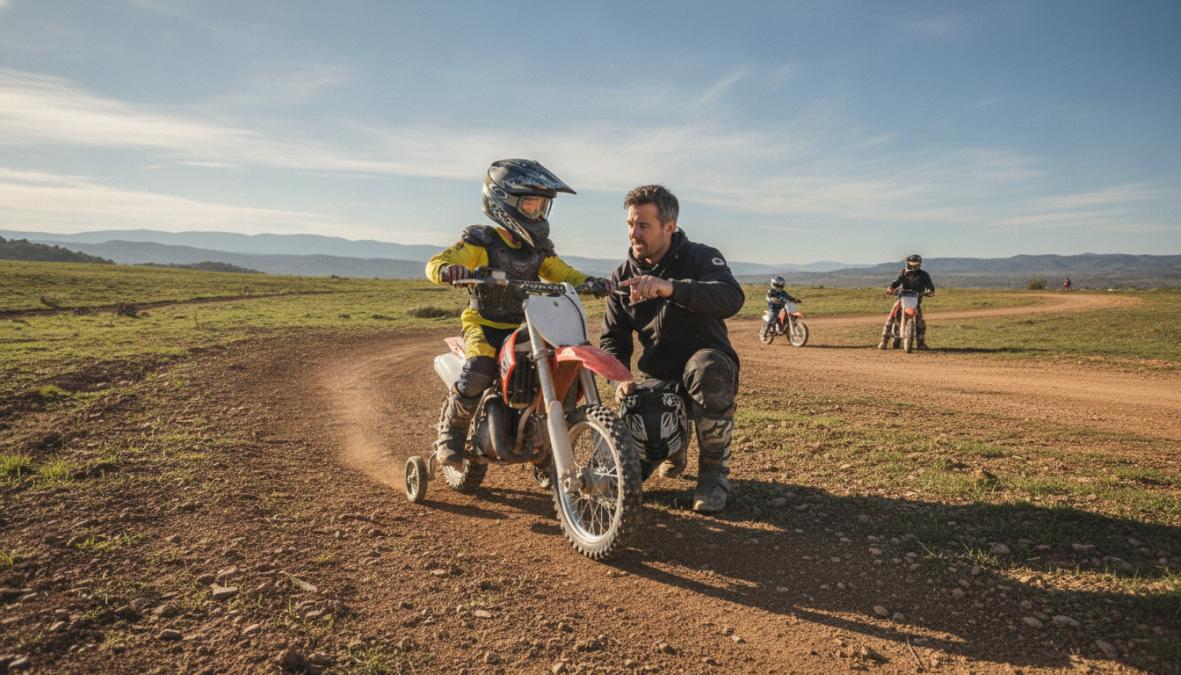
Balance comes from practice. Spend time riding slowly in straight lines. Feel how the bike responds to tiny weight shifts. As your confidence grows, balance becomes automatic.
Throttle Control and Clutch Operation
Smooth throttle input separates controlled riding from erratic riding. Beginners tend to grip the throttle too gently (causing the engine to bog down) or twist it too aggressively (causing the rear wheel to spin). The goal is steady, progressive acceleration.
Practice smooth, gradual throttle openings. Imagine holding an egg, firm enough to control it, gentle enough not to crush it. Your wrist should move smoothly, not in jerky increments.
The clutch works differently on dirt bikes than on street bikes. You'll use it primarily for starting and engine braking. When moving and needing to slow down, you can downshift without using the clutch; engine compression does the work. Learn to feel the clutch's friction zone, the point where it begins to engage and the engine starts driving the wheel. This skill takes time but gives you precise control over power delivery.
Braking Techniques for Safety
Braking on dirt differs from braking on pavement. On dirt, the rear brake is often more effective because it's harder to lock up. Use both brakes together with different pressure. Apply the front brake gradually to avoid washing out the front wheel. Apply the rear brake more firmly.
Never grab the brakes in panic. Smooth, progressive pressure is always better than sudden, hard braking. If the rear wheel starts to slide, ease off slightly and let it regain traction. Practice emergency stops in a safe area to understand where the limits are before you need that knowledge in a real situation.
How to Shift Gears on a Dirt Bike: A Step-by-Step Process
Shifting gears smoothly requires coordination between throttle, clutch, and foot shifter. Most dirt bikes have a foot-operated shifter on the left side. You'll shift up with your toe and down with your heel.
Step 1: Roll off the throttle slightly. Reduce engine speed by easing off the throttle to take pressure off the transmission.
Step 2: Pull in the clutch. Squeeze the clutch lever fully to disengage the engine from the transmission.
Step 3: Move the shifter. Press down with your toe to shift up one gear, or press up with your heel to shift down one gear.
Step 4: Release the clutch smoothly. Gradually let out the clutch while simultaneously rolling on the throttle. These must happen almost simultaneously.
Step 5: Roll on the throttle. Once the clutch is fully engaged, accelerate smoothly.
Practice this sequence at low speeds first. Your hands and feet will eventually do this automatically. Most beginners need dozens of repetitions before it feels smooth.
Buying vs. Renting Your First Dirt Bike
This decision depends on your commitment level and budget. Renting makes sense if you're still figuring out whether you enjoy the sport. Buying makes sense if you're confident you'll ride regularly.
When to Rent and When to Buy
Rent if you're in your first month of learning. You'll likely drop the bike and make mistakes that could damage a machine. Rental bikes are built to handle that abuse. Rent if you want to try different bike sizes and styles before committing.
Buy once you've logged at least 15-20 hours of practice and feel confident with basic control. At that point, owning your own bike makes financial sense. A used beginner dirt bike costs $800-$2,000. A new one costs $3,000-$5,000. Add another $500-$1,000 for maintenance in the first year. Rental costs roughly $50-$100 per session, so five sessions equals one month of rental fees.
Getting Professional Coaching: Why Hands-On Training Matters
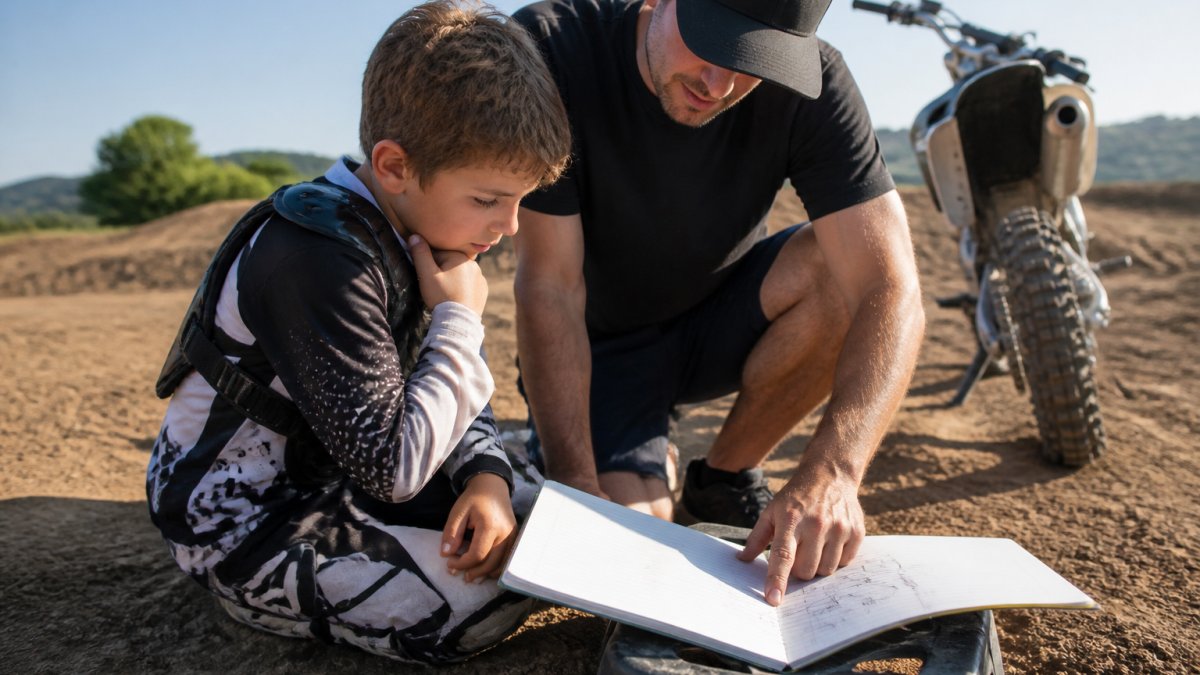
Professional instruction accelerates your learning curve dramatically. A qualified coach identifies bad habits before they become ingrained and corrects your body positioning in real time. Training from certified motocross instructors through recognized academies provides structure and accountability that solo practice doesn't offer.
What to Expect in a Closed-Course Training Session
A typical session runs two to three hours. You'll start with a safety briefing covering the course layout and emergency procedures. The instructor will explain the day's focus, maybe body positioning, throttle control, or obstacle navigation.
You'll spend the first 15-20 minutes doing slow-speed drills. These feel boring compared to riding fast, but they're where real learning happens. Then you'll progress to faster riding on the course. The instructor watches from different vantage points and provides feedback between runs.
You'll likely ride five to eight separate sessions during a two-hour block, with brief breaks between each. This gives your muscles time to recover while your brain processes the feedback. A good instructor makes the sport accessible, breaks skills into manageable pieces, and celebrates progress. Private instruction typically costs $75-$150 per hour, or $30-$50 per person for group classes.
DIY Maintenance for Beginner Riders
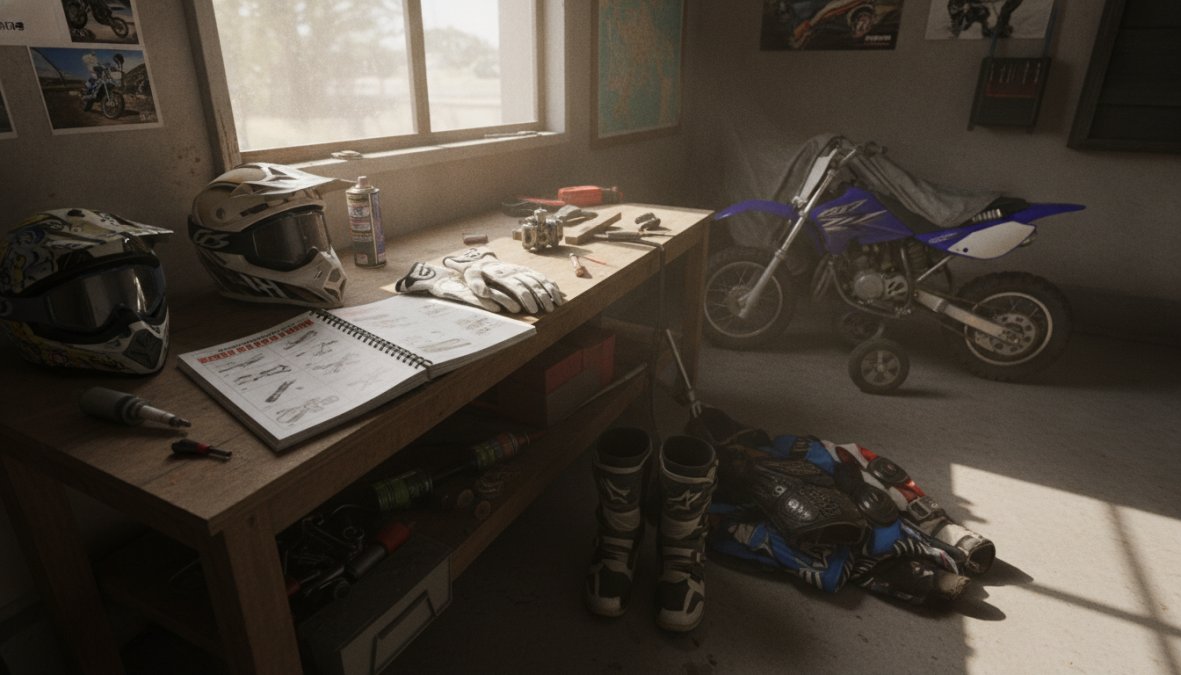
You don't need to be a mechanic to keep your dirt bike running well. Basic maintenance takes 30 minutes per ride and prevents most common problems.
Pre-Ride Inspection Essentials
Before every ride, check:
- Tire pressure and condition - Check for cracks, punctures, or excessive wear
- Chain tension - The chain should have about half an inch of play at the midpoint
- Brake fluid level - Check the reservoir for leaks
- Coolant level - For liquid-cooled bikes, ensure proper level
- Oil level - Check the sight glass or dipstick
- Bolt tightness - Vibration loosens bolts over time
This inspection takes five minutes and prevents most mechanical failures. Change the oil every 10-15 hours of riding. Air filters need cleaning or replacement every 5-10 hours depending on dust conditions. Chain maintenance should happen every few rides.
Keep detailed maintenance records. Write down when you changed the oil, cleaned the air filter, and replaced the chain. This helps you spot patterns and identify premature wear.
Learning to ride dirt bikes is a journey that starts with the fundamentals and builds through consistent practice. The skills you develop on a closed course translate directly to trail riding, competitive racing, or recreational exploration. Start with professional instruction, practice the basics until they're automatic, and commit to regular riding. Your progress will accelerate faster than you expect.
Frequently Asked Questions
How long does it take to learn to ride a dirt bike?
Most beginners can grasp basic riding fundamentals within 1-3 days of hands-on coaching on a closed course. Comfortable trail riding typically takes 2-4 weeks of consistent practice. Skill progression depends on your natural ability, practice frequency, and quality instruction. Professional coaching accelerates learning by teaching proper throttle control, braking techniques, and body positioning from day one, helping you avoid bad habits that take longer to correct.
What essential dirt bike safety gear do I need to start?
A DOT-approved helmet is non-negotiable, it protects your head in falls. Add protective goggles, a chest protector, gloves, boots, and padded pants or a riding suit. Proper riding gear reduces injury risk significantly. Many beginner-friendly training facilities provide loaner protective equipment, so you can start without a large upfront investment. Always inspect your gear for damage before each ride and replace worn items immediately.
Can you teach yourself to ride a dirt bike?
While self-teaching is possible, professional hands-on coaching dramatically improves safety and skill development. Instructors correct body positioning, throttle control, and clutch operation mistakes before they become habits. They also teach proper braking techniques and safety fundamentals on a closed course. Many beginners who self-teach develop poor riding posture or dangerous habits. Investing in even a few lessons with an MSF-certified or experienced coach pays dividends in confidence and long-term skill progression.
What's the best dirt bike for a complete beginner?
Start with a smaller displacement bike, typically 50cc to 125cc, that matches your height and weight. Lighter bikes are easier to control and build confidence. For youth riders, brands offer beginner-specific models with lower seat heights and manageable power. Consider renting first to test different bikes before buying. A pre-ride inspection is essential on any bike you choose, checking tire pressure, chain tension, brakes, and fluid levels to ensure safe operation.
This article was written using GrandRanker