 ultimate-guide
Private Motocross Coaching for Beginners: A Complete Guide
Table of Contents
- What Is Private Motocross Coaching for Beginners?
- Benefits of Professional Motocross Coaching for New Riders
- Private vs. Group Motocross Coaching: Which Is Right for You?
- What to Expect in Your First Private Motocross Lesson
- Essential Motocross Safety Gear for Beginners
- Beginner Motocross Drills and Riding Technique Fundamentals
- Finding a USMCA Certified Motocross Coach
- Cost of Motocross Lessons and Coaching Packages
- Frequently Asked Questions
Last Updated: July 28, 2026
What Is Private Motocross Coaching for Beginners?
Private motocross coaching is one-on-one instruction with a certified professional who teaches fundamental riding skills, safety protocols, and bike control techniques on a controlled dirt track. Unlike group classes, private coaching tailors every lesson to your specific needs, pace, and learning style.
At Nelmgerian MX, we understand that starting motocross can feel overwhelming. A private coach breaks throttle control, body positioning, clutch management, and track awareness into digestible pieces, giving you immediate feedback that accelerates your progress far beyond self-teaching or group clinics. Most beginners report feeling noticeably more comfortable on the bike within 3-5 lessons.
Benefits of Professional Motocross Coaching for New Riders
A professional coach identifies specific technical issues holding you back, improper throttle modulation, weak body positioning, or inconsistent braking, and provides targeted drills to fix them. Safety improves dramatically under professional guidance. Beginners often don't recognize dangerous situations before they happen. A coach teaches you how to fall safely, progress at a confidence-building pace, and manage risk from someone with years of experience.
Mental preparation is another critical benefit. Many beginners struggle with anxiety on the track, worry about crashing, or fear going faster. A coach helps you build mental resilience, set realistic goals, and develop confidence through understanding exactly what your body needs to do.
Structured progression prevents frustration. Without a coach, riders often repeat mistakes or skip foundational skills. A professional creates a curriculum that builds systematically: master throttle control before cornering, develop body positioning before attempting jumps.
Private vs. Group Motocross Coaching: Which Is Right for You?
Private coaching delivers customized instruction with the coach's full attention on your technique, pacing, and weaknesses. Group clinics cost less per hour and create a social learning environment that some riders find motivating.
Group coaching works best if you're confident learning socially, have foundational skills, and cost is your primary concern. Many riders use group clinics for supplemental training after building basic competency with a private coach.
Private coaching is better if you're brand new to the sport, learn best with personalized attention, or have specific technical issues to fix. A private coach adjusts pacing based on your comprehension and spends extra time on skills giving you trouble without worrying about other riders.
Many riders start with 5-10 private lessons to build foundational skills, then supplement with group clinics for variety and motivation. This hybrid approach gives you personalized foundation-building plus ongoing skill development in a group setting.
| Coaching Type | Cost Per Session | Best For | Pacing | Feedback |
|---|---|---|---|---|
| Private | Higher per hour | Beginners, technical issues, custom goals | Self-paced | Immediate and detailed |
| Group Clinics | Lower per hour | Intermediate riders, social learners | Group pace | General feedback to group |
| Hybrid Approach | Medium | Most serious riders | Flexible | Personalized + peer learning |
What to Expect in Your First Private Motocross Lesson
Your first lesson begins with a conversation about your experience level, physical condition, and goals. The coach asks whether you've ridden before, if you have any injuries or limitations, and what you hope to accomplish.
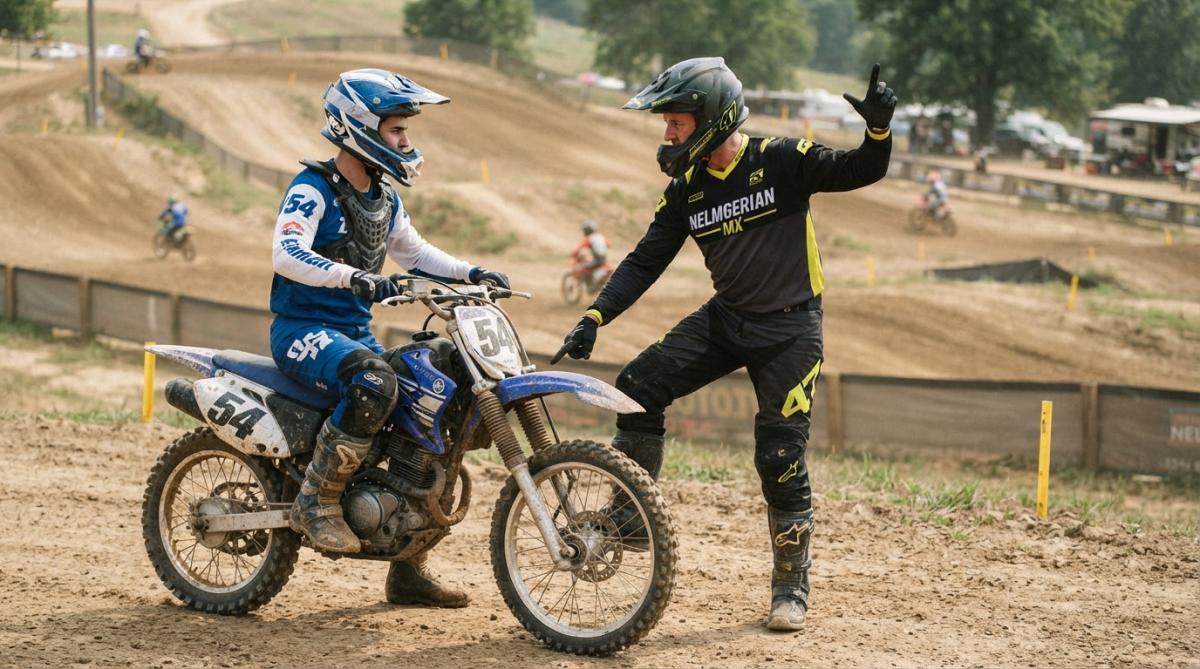
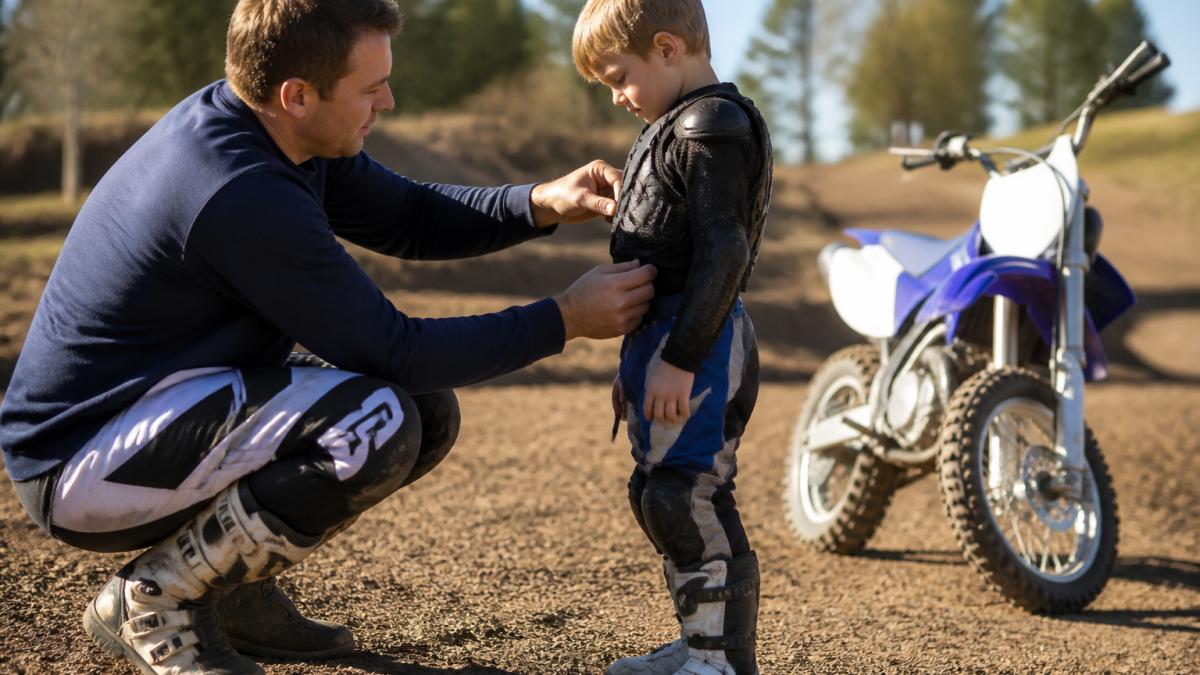
Next comes a bike and gear check. The coach ensures your helmet fits properly, your protective gear is positioned correctly, and your bike is set up for your size and weight. A bike that's too large or has incorrect suspension settings creates bad habits immediately.
You'll walk through the basics while stationary: how to hold the handlebars, where your feet go on the pegs, how your body should position on the seat. The coach demonstrates each position and watches you replicate it.
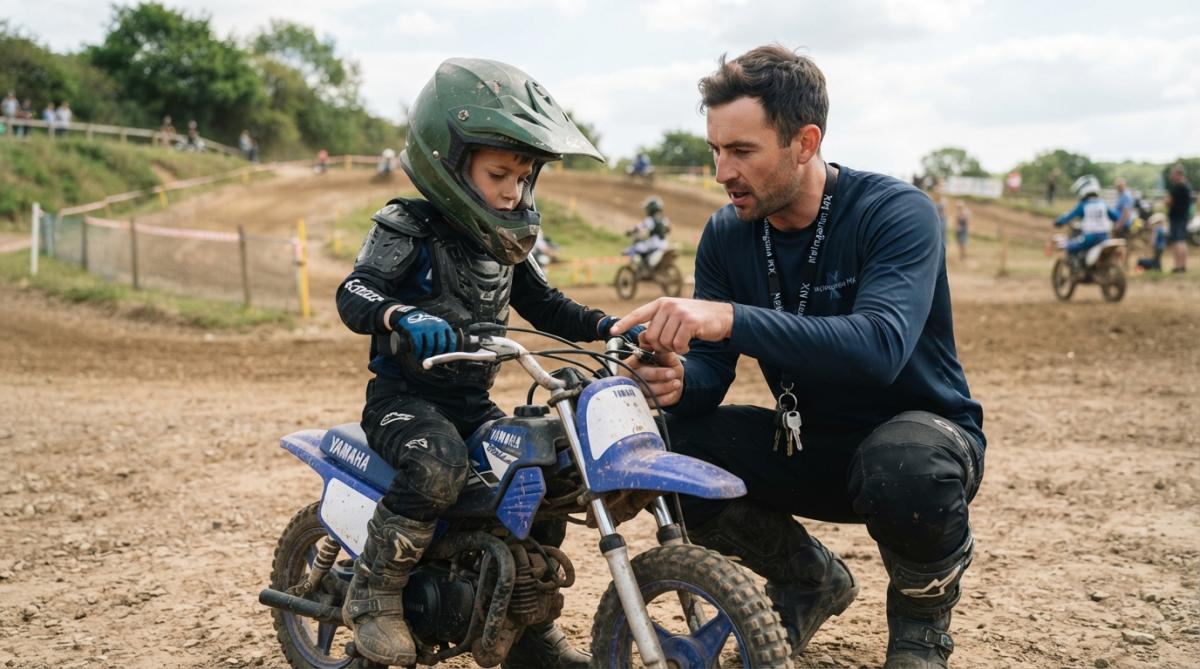
Once on the bike, the coach typically starts in a walk-through or slow-speed section. You'll practice basic throttle control, learning how the bike responds to small inputs versus aggressive twisting. The coach watches your body position and makes real-time corrections: "Move your hips back more," "Keep your elbows up," "Ease off the throttle gradually."
Most first lessons last 1-2 hours of actual riding time. A good coach ends by reviewing what you did well and what to focus on before your next session.
Essential Motocross Safety Gear for Beginners
Protective gear isn't optional. The American Academy of Orthopaedic Surgeons emphasizes that proper protective equipment reduces injury severity by 50-70% in off-road riding accidents.
A quality helmet is non-negotiable. It should fit snugly without pressure points, cover your entire head including the back, and have DOT or Snell certification. Spend at least $150-200 on a helmet that fits your head shape properly. Replace it after any significant impact.
Boots protect your ankles and feet from twisting injuries and hot exhaust pipes. Standard motocross boots have reinforced ankle support, oil-resistant soles, and shift lever protection. Avoid regular sneakers.
A chest protector shields your ribs, collarbone, and sternum from impact. Look for one with hard plastic shells over foam padding. For beginners, a basic chest protector is sufficient.
Gloves protect your hands and improve grip. They should cover your wrists and have reinforced palms. Good gloves prevent sweaty hands from slipping off the handlebars and protect your hands if you go down.
Riding pants have padding in high-impact areas and are made from abrasion-resistant material. Regular pants tear instantly in a crash. Motocross-specific pants cost $80-150 but are worth the investment.
A jersey completes the protective ensemble, offering breathable, abrasion-resistant fabric that allows free movement.
Beginner Motocross Drills and Riding Technique Fundamentals
Throttle control is the foundation of everything in motocross. Most beginners twist the throttle too aggressively, causing the rear wheel to spin unpredictably. The drill: ride slowly and practice making tiny throttle adjustments. Increase speed incrementally by 1-2 mph. This 20-30 minute drill transforms your riding.
Body positioning determines how much control you have over the bike. Your hips should be forward on the seat when accelerating, moved back when braking. Your elbows stay up and out. The drill: practice body positioning at a walk, then at slow speed, before going fast.
Braking technique prevents crashes more effectively than any other skill. Beginners brake too hard and too late, locking up the rear wheel. The drill: practice progressive braking, start decelerating well before the corner, use gentle brake pressure, and release the brakes as you enter the turn.
Cornering combines body positioning, throttle control, and line selection. The drill: mark a series of turns with cones and practice hitting the same line repeatedly. Focus on body positioning through the turn, not speed.
Jump technique is advanced but worth understanding early. Start with small jumps or tabletops. The drill: approach at consistent speed, stay relaxed, let the bike do the work, and land with your weight slightly back. Never try big jumps as a beginner.
Finding a USMCA Certified Motocross Coach
The United States Motocross Coaches Association (USMCA) certifies coaches who meet specific training and experience standards. A USMCA certified coach has completed formal instruction, demonstrated teaching ability, and maintains ongoing education. Search for certified coaches through the USMCA website, organized by region.
Beyond certification, interview potential coaches. Ask about their experience: How many years have they been riding? How many students have they taught? What's their teaching philosophy? A good coach can articulate why they teach certain skills in a certain order.
Check references if possible. Ask previous students about their experience. Did the coach show up on time? Were lessons well-structured? Did you see improvement? Did the coach create a safe learning environment?
Location and schedule matter. A coach 30 minutes away is more accessible than one an hour away. A coach with flexible scheduling accommodates your calendar better than one with rigid time slots.
Cost of Motocross Lessons and Coaching Packages
Most private motocross coaches charge between $75-150 per hour of instruction. Some coaches offer package pricing: 5 lessons at a 10% discount, or 10 lessons at 20% off. Packages encourage commitment and lock in a better rate.
Many coaches include track use in their hourly rate. Others charge separately for track access, which might be $25-50 per session. Always clarify what's included before booking.
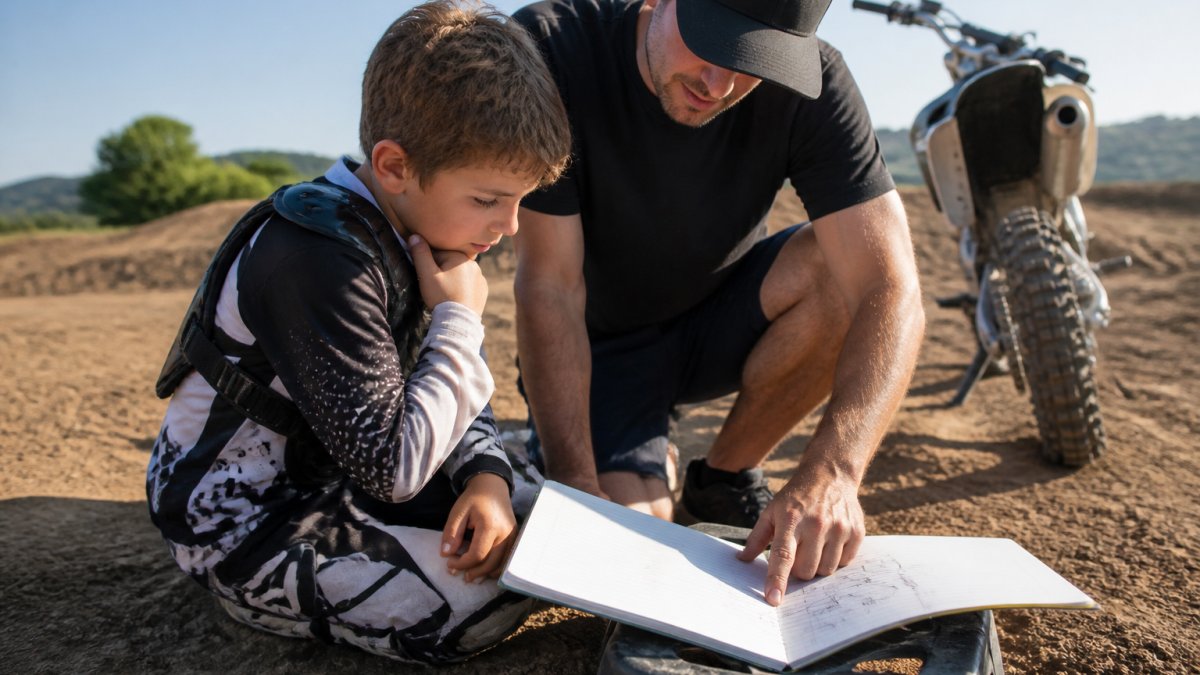
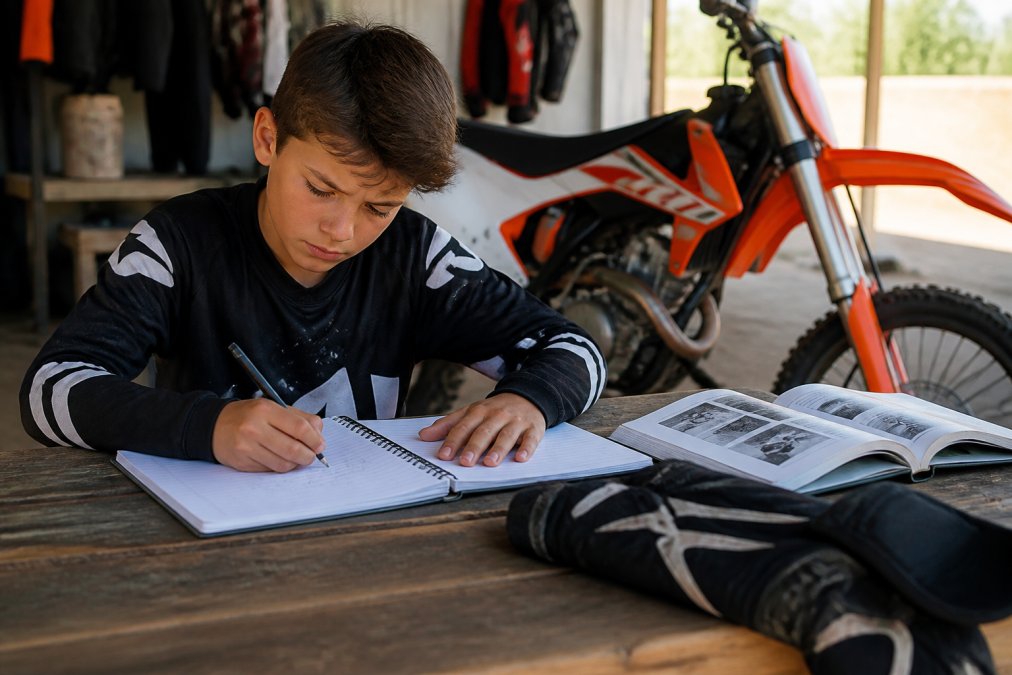
For Nelmgerian MX resources like rider training journals and educational books designed to supplement your coaching, pricing varies by product type and bundle options. These materials extend your learning between lessons. Visit Nelmgerian MX's website for current pricing on specific products and available bundles.
Group clinics typically cost $40-80 per person per session, making them more affordable than private coaching. A committed beginner might do 10-15 lessons in the first year, costing $750-2,250 in coaching alone. Add gear ($400-600), bike maintenance ($200-400 annually), and fuel, and motocross becomes a moderately expensive hobby. But quality instruction early on prevents costly mistakes and accelerates progression.
Starting private motocross coaching requires finding a certified professional who matches your learning style and goals. The investment in quality instruction pays dividends through faster skill development, better safety practices, and genuine confidence on the track. Nelmgerian MX supports your coaching journey with training journals and educational resources designed to reinforce techniques between lessons and keep young riders engaged with the sport they love. Begin your search for a USMCA certified coach in your area, schedule a consultation, and take your first step toward becoming a skilled, confident motocross rider.
Frequently Asked Questions
What are the main benefits of private motocross coaching for beginners?
Private motocross coaching offers personalized instruction tailored to your skill level and learning pace. A certified coach provides one-on-one feedback on riding technique, throttle control, body positioning, and braking drills, areas that are harder to master in group settings. You'll build confidence faster, develop safer habits from the start, and progress more efficiently. Private lessons also allow your coach to identify and correct bad habits before they become ingrained, setting a strong foundation for long-term riding success.
How much does private motocross coaching typically cost?
The cost of motocross lessons varies based on coach experience, location, session length, and whether you're using rental bikes or your own equipment. Pricing depends on quantity, duration, and delivery method, some coaches offer hourly rates, package deals, or multi-week training programs. Contact Nelmgerian MX or local certified coaches directly for current pricing and package options. Many programs also offer discounts for multi-session commitments or group family bookings.
What motocross safety gear do beginners absolutely need?
Essential motocross safety gear for beginners includes a DOT-approved helmet, goggles, boots with ankle support, gloves, a chest protector, and riding pants. A quality helmet is non-negotiable, it's your most critical piece of protective equipment. Many beginner riders also wear knee guards and elbow pads for additional protection. When selecting motocross safety gear for beginners, prioritize items that fit snugly, allow freedom of movement, and are designed specifically for off-road riding rather than street use.
How do I find a qualified USMCA certified motocross coach?
A USMCA certified motocross coach has met national training and safety standards set by the United States Motocross Coaches Association. To find a USMCA certified coach, search the USMCA directory, ask local track facilities for referrals, or check with established off-road schools in your region. Verify certifications directly with the USMCA, ask about their experience with beginners, and request references from past students. Nelmgerian MX is expanding its training offerings in Crossville, Alabama, and can connect you with qualified instruction resources.
This article was written using GrandRanker