 how-to
Signs Your Child Is Ready for Motocross
Table of Contents
- Physical Motor Skills and Coordination for Motocross
- Assessing Your Child's Listening Ability and Following Instructions
- Psychological Readiness and Genuine Interest
- Youth Dirt Bike Safety Gear and Protective Equipment
- Determining the Right Starting Age and Size
- How to Teach a Child to Ride a Dirt Bike: First Steps
- AMA Motocross Youth Racing Requirements and Track Readiness
- Parental Commitment and Your Role in Your Child's Motocross Journey
- Frequently Asked Questions
Last Updated: August 5, 2026
Physical Motor Skills and Coordination for Motocross
The foundation of motocross readiness starts with physical capability. Your child needs solid motor skills and coordination to handle a dirt bike safely and effectively, controlling throttle input, managing braking force, and maintaining balance through turns and obstacles.
Look for these specific signs of physical readiness. Can your child ride a pedal bicycle without training wheels for sustained periods, balance, steer, and brake independently? If yes, that's a strong indicator they have the foundational coordination needed. Motocross demands more precision than cycling, but the core balance and steering mechanics transfer directly.
Watch how your child handles coordination tasks off the bike. Do they catch a ball with consistency? Can they hop on one foot? Can they climb playground equipment without hesitation? These activities reveal whether their motor development is at a level where throttle control and clutch manipulation will be manageable.
Throttle control and braking require fine motor control and the ability to modulate pressure, not just on-or-off movements. A child who can't yet tie their shoes or button a shirt may struggle with the nuanced hand and foot coordination motocross demands. Test this by having them perform tasks requiring graduated pressure: squeezing a stress ball to specific firmness levels, or controlling water flow from a faucet.
Assessing Your Child's Listening Ability and Following Instructions
Motocross safety depends entirely on your child's ability to hear, understand, and execute instructions immediately. A child who doesn't listen consistently in everyday situations will not listen on the track when it matters most.
Start with basic observation. When you give a two-step instruction at home ("Put on your shoes, then grab your backpack"), does your child complete both steps without reminders? If they consistently need repetition or clarification, that's a sign they're not yet ready for the complexity of track instruction.
On the bike, following instructions could mean the difference between a minor mistake and a serious injury. An instructor might need to communicate throttle adjustment, line correction, or emergency braking in real time.
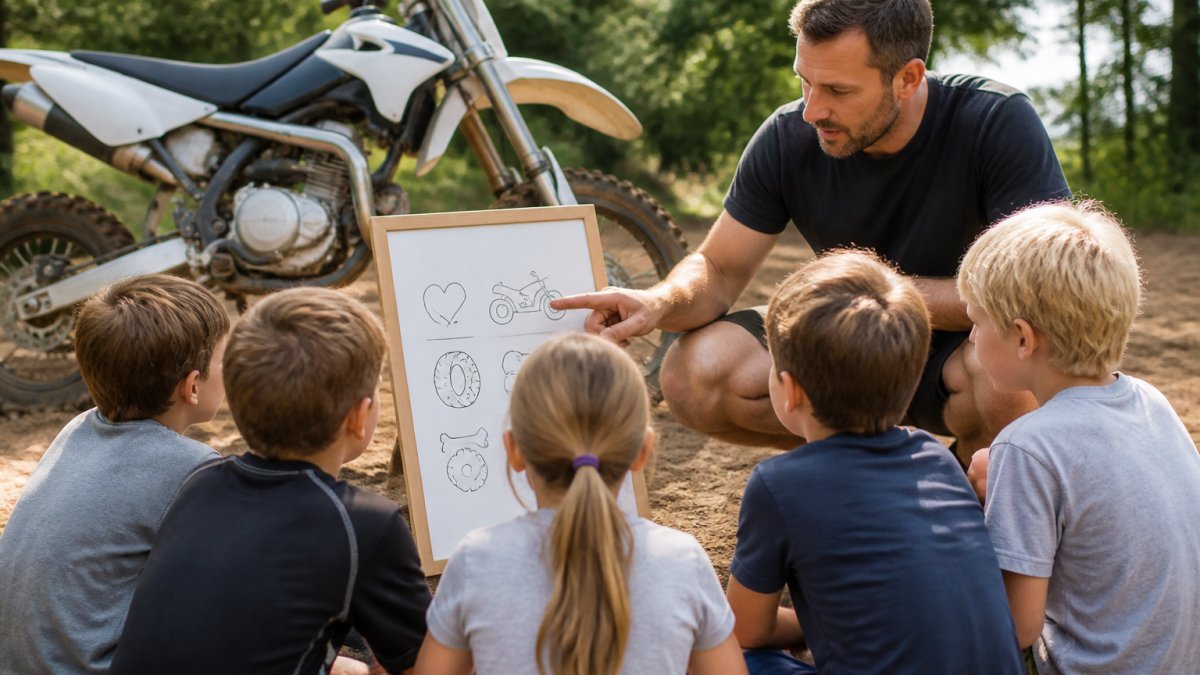
Test listening skills in structured environments. Enroll your child in group activities, team sports, music lessons, or group fitness classes where following a coach's commands is essential. Watch how they respond to instruction and whether they maintain focus for 15-20 minutes without significant distraction, the typical length of a motocross training session.
Psychological Readiness and Genuine Interest
Physical ability means nothing without genuine interest. A child who's been pushed into motocross by a parent will struggle with motivation and may develop anxiety around the sport. The best indicator of success is authentic enthusiasm.
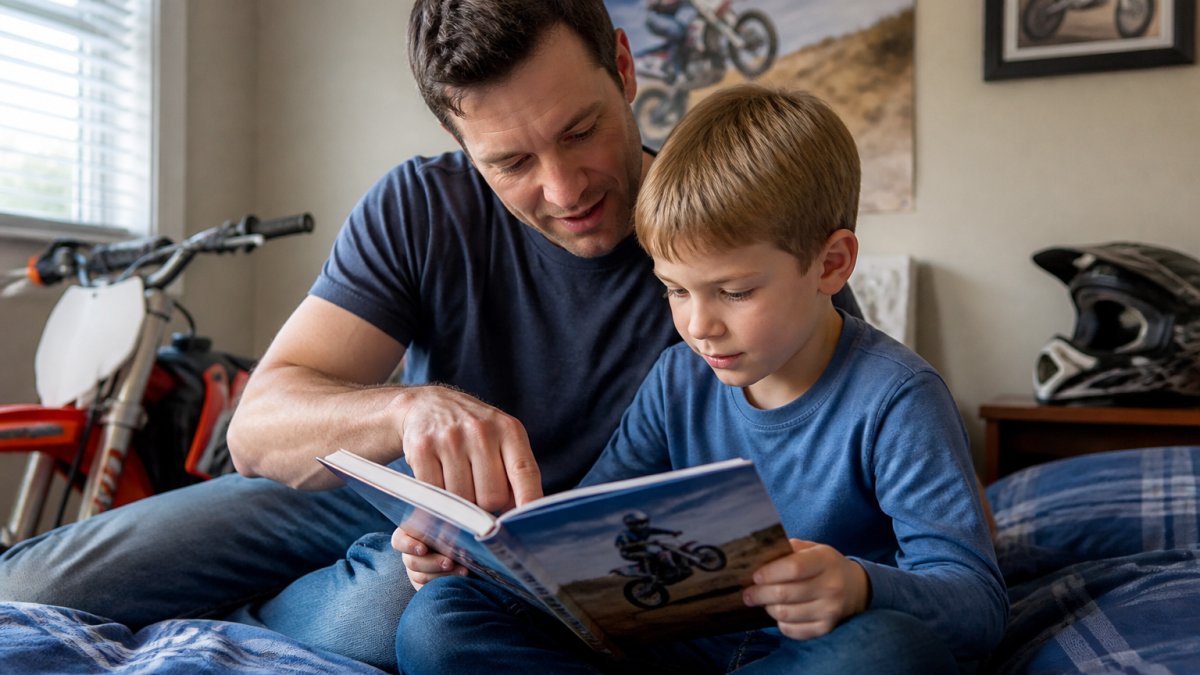
Start by observing their natural interest level. Do they watch motocross videos? Do they ask questions about riders and bikes? Do they play with dirt bike toys or draw pictures of motocross scenes? Genuine interest shows up in unprompted behavior. If you're constantly pushing them toward the sport while they'd rather do something else, that's a yellow flag.
Psychological readiness also includes emotional maturity and the ability to handle frustration. Motocross has a steep learning curve. Your child will fall, crash, make mistakes, and experience moments of fear or discouragement. Can they bounce back from setbacks? Do they get frustrated easily, or can they accept that learning takes time?
Assess how your child handles competitive situations. Do they enjoy friendly competition, or does it create anxiety? Watch how they respond in low-stakes competitive games or sports. Their comfort level there predicts their comfort level on the track.
Youth Dirt Bike Safety Gear and Protective Equipment
Youth dirt bike safety gear is mandatory before your child rides. The right protective equipment can be the difference between a minor scrape and a life-altering injury.
A properly fitting helmet is the single most critical piece. It should meet DOT (Department of Transportation) standards and fit snugly without gaps. The helmet should sit level on the head, not tilted back or forward, and you should not be able to rotate it side to side. Motocross-specific helmets offer better chin protection and visibility than standard bicycle helmets. Replace any helmet after a significant impact, even if it looks fine.
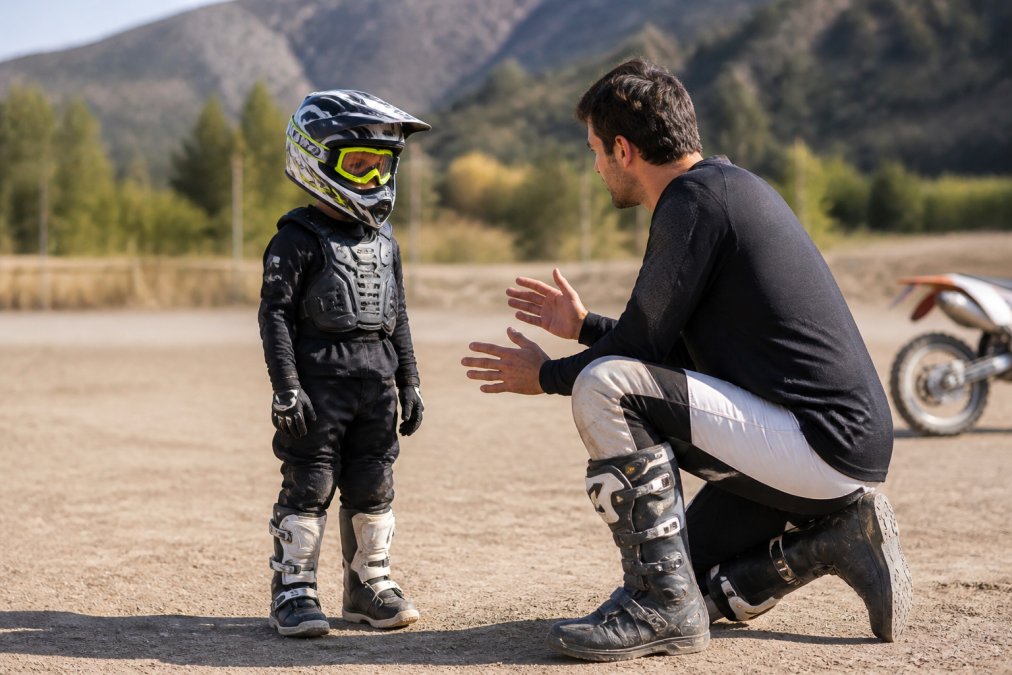
Beyond the helmet, your child needs body armor. A chest protector guards the ribs and sternum. Shoulder and elbow pads protect joints during falls. Wrist guards support the wrists, which absorb impact instinctively. Motocross-specific gloves provide grip and protect hands. Boots with ankle support protect feet and ankles from being crushed or twisted. Goggles protect eyes from dust and debris.
Check fit carefully. Gear that's too loose doesn't protect effectively. Gear that's too tight restricts movement and can cause discomfort that distracts your child while riding. Most quality youth motocross gear comes in size ranges designed for specific age groups.
Determining the Right Starting Age and Size
Most children can start learning basic motocross skills between ages 4 and 6, though this varies significantly based on individual development. Age is a starting point, not a rule. The better question is whether your child meets the physical and psychological benchmarks outlined above, regardless of age.
Bike size is critical. A child who can't reach the ground with their toes while sitting on the seat will feel unstable and scared. A 50cc bike is typically the starting point for children aged 4-7, with seat heights around 20-22 inches. Some smaller children may need a 35cc or even smaller displacement bike initially.
Test fit by having your child sit on the bike with both feet flat on the ground. There should be minimal space between the seat and their body. The handlebars should be within comfortable reach without excessive arm extension. Consider your child's height and inseam measurement, not just age. Most manufacturers provide sizing charts based on height.
How to Teach a Child to Ride a Dirt Bike: First Steps
Teaching a child to ride a dirt bike requires patience, structured progression, and a safe environment. The first steps focus on building confidence and basic bike familiarity before any throttle use.
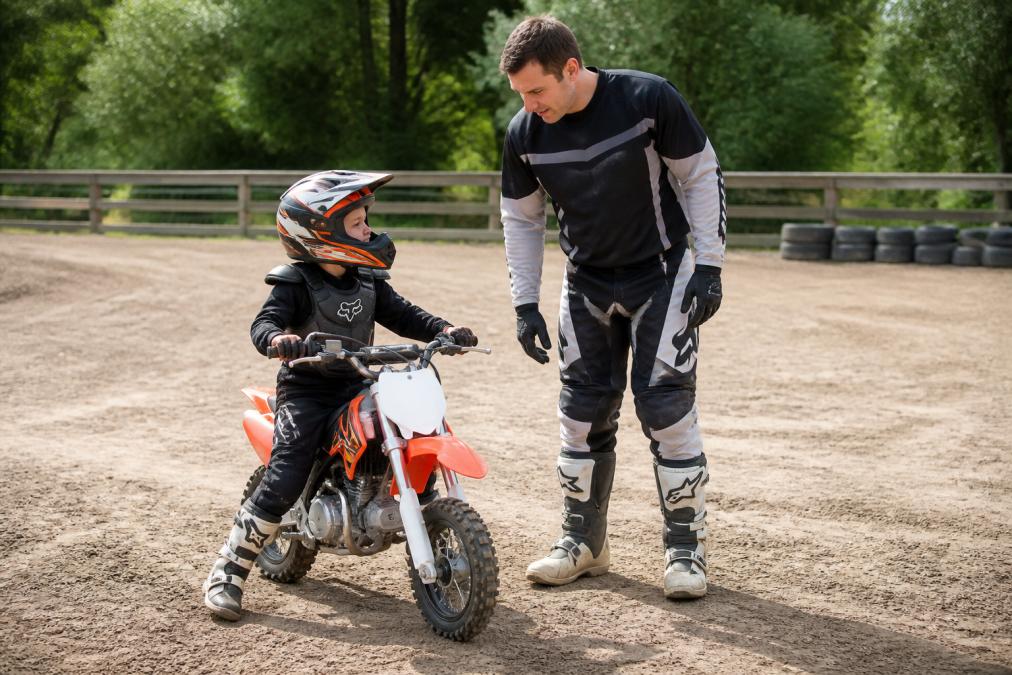
Start with the bike off. Have your child sit on the bike while it's stationary and get comfortable with the seating position, handlebar reach, and foot placement. Let them practice finding the clutch lever, throttle, and brake with their hands and feet. Familiarity with the bike's layout removes some anxiety when the engine starts.
Next, practice walking the bike. With the engine off, have your child walk the bike forward while sitting on it or walking alongside it. This builds confidence with the bike's weight and balance.
Once they're comfortable, start the engine in a safe, enclosed area on flat, open ground with no obstacles. Have them practice feeling the idle throttle response without actually moving. Keep sessions short, maybe 10-15 minutes, so they don't become overstimulated.
Introduce clutch control and basic movement on flat ground. Have them practice releasing the clutch slowly to move forward at walking speed, then pulling the clutch back in to stop. This is the foundation of throttle and clutch coordination. Progress to gentle throttle input once they're comfortable with clutch control, moving at slow speeds in a controlled environment.
AMA Motocross Youth Racing Requirements and Track Readiness
The American Motorcyclist Association (AMA) governs youth motocross racing in the United States. If your child wants to compete, understanding AMA requirements is essential. The AMA youth motocross regulations outline age divisions, bike displacement limits, and licensing requirements.
Youth riders typically start in 50cc classes, which have age minimums usually around 4-7 years depending on the specific class. The AMA has different divisions for different age groups and skill levels, from beginner classes to more competitive tiers. Your child doesn't need to race to ride, but if racing interests them, the AMA structure provides a clear pathway.
Track readiness goes beyond physical ability. Your child needs to understand track etiquette, respect for other riders, and basic safety rules. Before your first track day, have a conversation about track behavior. Explain that passing requires signaling and checking for clear space, that riders must respect track limits, and that if they fall, they should move off the track and signal to officials.
Many tracks require riders to have basic instruction before their first session. Take advantage of these programs. They accelerate learning and ensure your child understands track-specific expectations.
Parental Commitment and Your Role in Your Child's Motocross Journey
Your commitment as a parent is as important as your child's readiness. Motocross requires significant time, financial investment, and ongoing involvement. Being honest about your capacity to support this commitment will determine whether your family's experience is positive or stressful.
Time commitment is substantial. Training sessions, track days, and races require scheduling around your work and family obligations. Travel to distant tracks means weekends away from home. Bike maintenance and gear management add ongoing tasks.
Financial investment includes the bike itself, protective gear, fuel, maintenance, track fees, and potentially coaching or training programs. Gear wears out and needs replacement. Bikes require regular maintenance. Entry fees for track days or races add up.
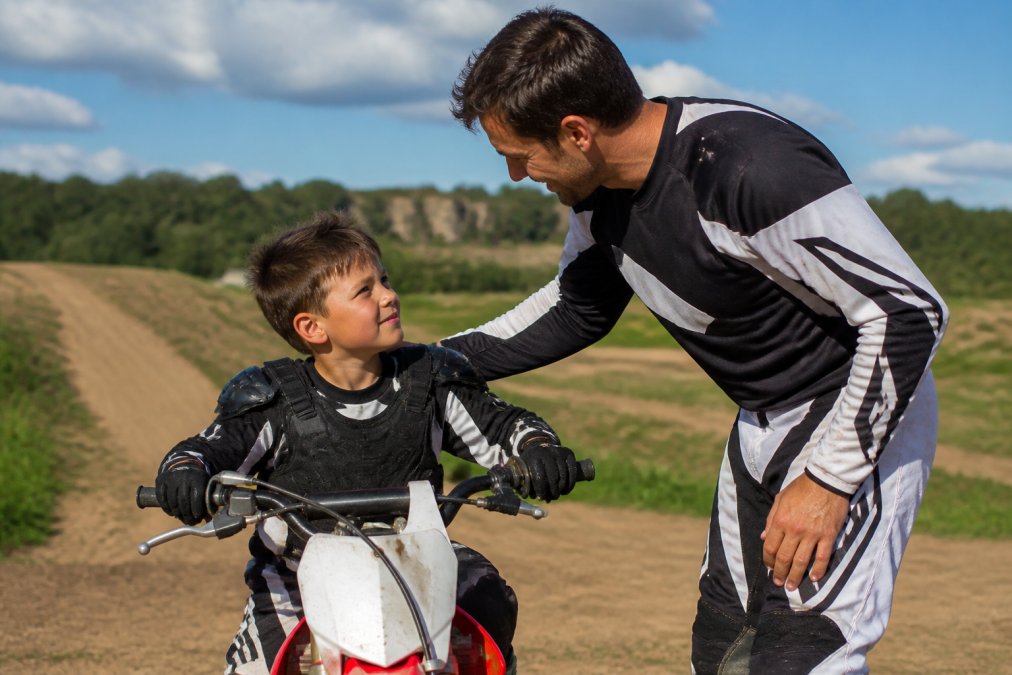
Your role extends beyond transportation and funding. You're also your child's primary support system. You'll be the person they turn to when they're frustrated, scared, or discouraged. You'll be the one encouraging them to get back on after a crash. This emotional labor is real and ongoing.
At Nelmgerian MX, we understand that supporting a young rider means supporting the whole family's journey into the sport. Our rider training journals and educational resources help keep young riders engaged with motocross culture beyond just track time, building confidence and knowledge that translates directly to better performance and safer riding habits.
Consider whether you genuinely want to be involved in motocross, not just whether you want your child to be involved. Kids sense when a parent is resentful or disengaged. Your authentic enthusiasm shapes how your child experiences the sport.
Establish clear expectations about practice, behavior, and progression. Does your child understand that they need to practice basic skills before advancing? Do they know that unsafe behavior means losing track privileges? Clear expectations prevent conflicts and help your child take the sport seriously.
Supporting your child's motocross journey means assessing their genuine readiness across physical, psychological, and emotional dimensions. The signs outlined above give you concrete benchmarks to evaluate. If your child demonstrates solid coordination, listens consistently, shows authentic interest, and you're prepared for the time and financial commitment involved, motocross can be an incredible source of confidence, discipline, and joy. The key is honest assessment, of your child and of yourself, before you begin.
Frequently Asked Questions
What age should kids start motocross?
Most children can begin on small 50cc bikes between ages 4 and 6, though readiness depends more on physical coordination and maturity than age alone. Some children are ready at 3, while others benefit from waiting until 7 or 8. Look for signs your child can follow instructions, has developed balance and coordination, and expresses genuine interest in riding. Starting age also depends on your child's height and strength to control the bike safely.
What safety gear is essential for a child starting motocross?
A properly fitted DOT-approved helmet is non-negotiable. Beyond that, equip your child with goggles, gloves, boots designed for dirt biking, body armor or a chest protector, and riding pants. Many young riders also wear knee and elbow pads for added protection. Quality youth dirt bike safety gear reduces injury risk significantly. Invest in gear that fits correctly, loose or oversized equipment won't protect effectively and can hinder movement and confidence.
How do I know if my child is ready for competitive motocross?
Competitive readiness goes beyond basic riding skills. Your child should demonstrate throttle control, braking consistency, and the ability to navigate a track layout safely. They need strong focus, stamina to complete a full race, and emotional maturity to handle both winning and losing. AMA motocross youth racing requirements vary by age group and class, so check your local AMA chapter for specific licensing and skill prerequisites. Most riders benefit from 1-2 years of recreational riding before entering organized competition.
What's the difference between a 50cc and larger dirt bikes for kids?
A 50cc bike is ideal for beginners aged 4-7 because it's lighter, slower, and easier to control. As your child grows and develops better balance and throttle control, a 70cc or 90cc bike becomes appropriate, typically around ages 7-10. Displacement matters less than your child's ability to touch the ground comfortably, reach the handlebars, and operate the clutch and brakes safely. Proper bike size prevents fatigue and builds confidence faster than an oversized bike.
This article was written using GrandRanker